Complete Pest Exclusion Checklist for Bangalore Balcony & Terrace
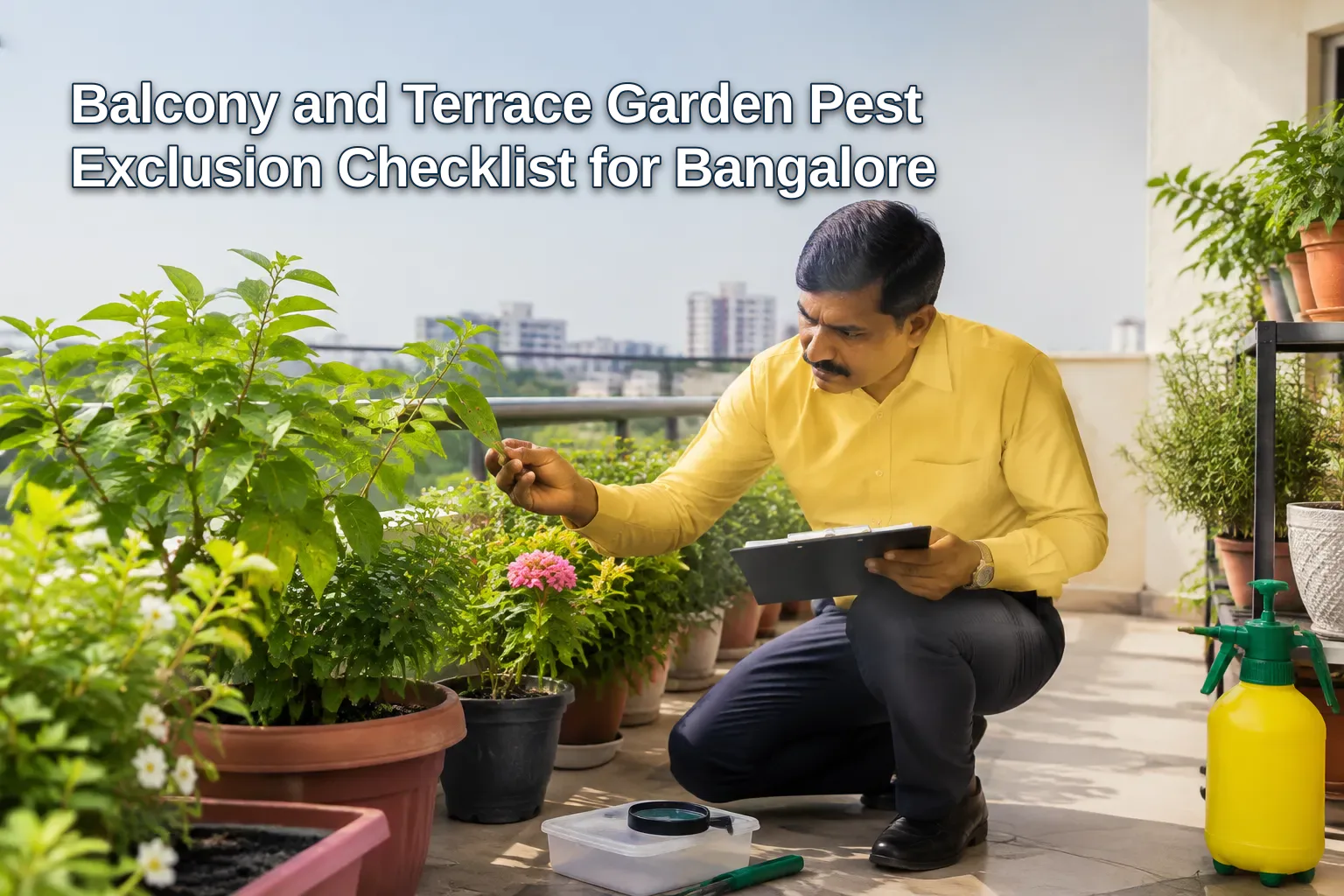
Introduction to Pest Exclusion in Bangalore Gardens
Bangalore Garden Pest Exclusion Checklist
Effective pest control in Bangalore garden settings demands a strategic blend of residential treatment and meticulous planning. Begin with a comprehensive inspection checklist to systematically evaluate your garden’s vulnerability to pest invasions and subsequently apply targeted exclusion methods.
The Importance of Pest Exclusion
In the thriving ecosystem of a Bangalore garden, pests, unfortunately, are natural inhabitants. Excluding these pests requires understanding their behavior, identifying access points, and modifying your garden environment to discourage habitation. Unlike chemical pest control, exclusion focuses on preventing pests from entering the garden, thereby providing a long-term solution that is sustainable and environmentally friendly.
Key Inspection Checklist for Bangalore Gardens
Conduct a thorough inspection of your garden as a proactive measure against pest infestations. This checklist will be your guide:
-
Identify Potential Pest Habitat:
- Inspect Dense Vegetation: Check for areas of dense plant foliage where pests like mosquitoes and ants may breed.
- Rodent Harborage Areas: Look around compost bins, woodpiles, and undisturbed clusters of garden tools.
- Standing Water: Identify sources of stagnant water that attract mosquitoes, such as clogged drains and pots.
-
Structural Entry Points:
- Fencing Quirks: Check for holes in fences or gates where pests like rodents may enter.
- Gaps in Structures: Ensure that sheds or greenhouses are sealed to prevent pest entry.
- Foundation and Spaces: Survey the periphery of the garden space for cracks or crevices where pests can nest.
-
Environmental Modifications:
- Selective Plant Pruning: Regularly prune plants to reduce dense canopies.
- Mulch Management: Ensure that mulch is kept at a reasonable distance from the foundation to avoid providing a haven for termites.
- Regular Cleanup: Routine removal of debris, fallen leaves, and excess organic matter helps remove shelter and food resources.
Recommendations for Residential Treatment Integration
While exclusion forms the cornerstone of pest prevention, integrating it with strategic residential treatment ensures comprehensive protection:
- Insecticidal Soaps and Oils: Use these on plants as necessary to make habitats less conducive for pests post-inspection.
- Barrier Treatments: Select eco-friendly barriers or repellents to protect particularly vulnerable plant species or sections of the garden.
- Professional Consultation: When infestations do occur or for complex pest issues, consulting a pest control professional ensures safe and efficient solutions tailored to Bangalore's climate and native pest species.
By executing this inspection checklist and adopting thoughtful residential treatment strategies, Bangalore gardeners can foster vibrant gardens while minimizing pest disruptions naturally and sustainably. For in-depth pest control services, you can explore our services that cater specifically to the unique needs of Bangalore's flora.
Step-by-Step Pest Exclusion Checklist for Balconies and Terraces
Bangalore Garden Pest Exclusion Checklist
Step-by-Step Pest Exclusion Checklist for Balconies and Terraces
Adopting a thorough pest exclusion plan for your balcony and terrace can significantly reduce pest issues and contribute to an effective residential treatment strategy. Begin with assessing the current state of these outdoor areas using a detailed inspection checklist. This proactive approach ensures that potential pest entry points and habitats are identified and addressed before they become larger problems.
Inspection Checklist for Balconies and Terraces
-
Physical Barriers and Structural Integrity
- Check Railings and Screens: Ensure that railings are intact and screens on windows or sliding doors are free from tears and tightly fitted. Replace or repair any damaged screens to prevent easy pest access.
- Gaps and Cracks: Examine walls, beams, and flooring for any cracks or small openings that could serve as entry points for pests like cockroaches and ants. Seal these with appropriate sealants like silicone or caulk, which offer durable barriers.
-
Environmental Sanitation
- Plant Maintenance: Trim plants, bushes, and trees to prevent them from touching balcony walls or railings, as these can act as bridges for pests. Regularly remove dead leaves and debris where pests may nest.
- Drainage and Water Management: Clear any blocked drainage systems, ensure that water does not collect in pots, and maintain a slope on surfaces to aid drainage. Stagnant water is a breeding ground for mosquitoes.
-
Storage Practices
- Furniture and Storage Units: Inspect and clean beneath outdoor furniture and storage units regularly. Avoid storing cardboard boxes or paper on balconies as they attract and harbor pests like silverfish and rodents.
- Gardening Supplies: Keep gardening tools and supplies in well-sealed plastic containers instead of open shelves or breakable containers that pests can infiltrate.
-
Lighting and Power Sources
- Lighting: Use LED lights that emit yellow or warm light to minimize attraction to insects. Keep light fixtures clean and replace any that are broken or lead to accumulations of dead insects.
- Electrical Outlets: Seal around electrical outlets and check for any signs of pest activity such as chew marks on wires.
Effective Pest Control Strategies
Incorporating these inspection and maintenance tasks into your regular pest control routine will help in keeping your balcony and terrace pest-free. For challenging pest issues, consider engaging professional pest control services in Bengaluru that offer eco-friendly residential treatment options tailored to your specific needs.
Implementing these strategies establishes a robust pest management foundation, protecting your home investment and ensuring a comfortable, pest-reduced environment. By consistently using this checklist, you can effectively manage and prevent pest invasions in these commonly overlooked yet crucial areas.
Common Pests in Bangalore's Balcony and Terrace Gardens
Bangalore Garden Pest Exclusion Checklist
Common Pests in Bangalore's Balcony and Terrace Gardens
Effective pest control in Bangalore's balcony and terrace gardens begins with understanding the specific pests that thrive in this region. Implementing a robust inspection checklist and residential treatment plan is essential to maintaining the health of your plants. The most common pests found in balcony and terrace gardens of Bangalore include aphids, spider mites, mealybugs, and caterpillars. Below, you will find detailed guidance on identifying these pests and recommendations for controlling them.
Identification and Inspection Checklist
To effectively manage pests, begin with a detailed inspection of your plants. Use the following checklist to identify common signs of infestation:
-
Leaves and Stems:
- Aphids: Look for clusters on undersides of leaves, causing yellowing and curling.
- Spider Mites: Check for tiny webbing on leaves and a dusty or dotted appearance.
- Mealybugs: Identify cottony masses on stems and underside of leaves.
- Caterpillars: Inspect for chewed leaves and frass (caterpillar droppings).
-
Soil & Potting Media:
- Examine for fungus gnats, which swarm around moist soil surfaces.
- Check whether the soil seems overly wet or poorly draining, which can encourage pest issues.
Residential Treatment Strategies
Implementing safe and effective treatment options is critical in residential spaces. Here is a step-by-step approach tailored for Bangalore gardens:
-
Manual Removal:
- Aphids & Mealybugs: Use a strong water spray or manually wipe with a damp cloth.
- Caterpillars: Handpick visible caterpillars in vulnerable areas.
-
Cultural Controls:
- Rotate plants to reduce pest buildup.
- Improve air circulation by trimming crowded branches.
- Employ companion planting; introduce herbs like basil and mint to deter pests.
-
Biological Controls:
- Release beneficial insects such as ladybugs for aphid control.
- Utilize neem oil sprays for all soft-bodied insects; ensure to follow manufacturer instructions for safe application.
-
Chemical Controls:
- Opt for organic insecticidal soaps or oils.
- Avoid broad-spectrum pesticides that harm beneficial insects and pose health risks; select targeted treatments that specify the intended pest.
Best Practices for Prevention
Prevention is always better than cure. Foster a pesticide-free environment by implementing these preventive measures:
- Regular Monitoring: Conduct weekly inspections using the checklist above.
- Quarantine New Plants: Isolate new plants for 2-3 weeks to prevent spreading pests to your established garden.
- Hygiene Maintenance: Clear dead leaves and debris regularly to eliminate pest habitats.
Through diligent inspection and consistent management, you can enjoy a vibrant, pest-free balcony or terrace garden in Bangalore. Remember to adapt your pest control strategies according to seasonal variations to ensure optimal plant health.

Eco-Friendly Pest Control Methods Suitable for Bangalore
Implementing eco-friendly pest control methods in Bangalore not only promotes a healthier environment but also provides sustainable solutions to pest issues. Begin by conducting a thorough inspection of your residential property to identify pest entry points and potential habitats. Incorporating these practices into your pest management strategy ensures that you are tackling infestations efficiently while minimizing environmental impact.
Comprehensive Inspection Checklist
Before resorting to any treatment methods, carry out a meticulous inspection using the checklist below:
-
Identify Pest Activity:
- Look for visible signs of pest activity such as droppings, nests, or damaged plants in your garden.
- Observe areas near water sources since pests are often attracted to moisture.
-
Check Entry Points:
- Examine doors, windows, and vents for gaps or holes. Seal these openings to prevent pests from entering your home.
- Inspect utility lines, pipes, and cables for any crevices that might serve as entry routes.
-
Assess Exterior Conditions:
- Trim overhanging branches that might allow pests easy access to buildings.
- Remove debris, leaf litter, and clutter from around the property that provide hiding places for pests.
By addressing these specific areas, you can reduce pest entry and habitats effectively without over-reliance on chemical treatments.
Eco-Friendly Treatment Methods
To enhance the sustainability of pest control measures, consider the following eco-friendly treatments:
-
Botanical Spray Treatments:
- Utilize plant-based repellents like neem oil or clove oil, which are effective against a range of pests such as mosquitoes and aphids.
-
Mechanical Controls:
- Set up physical barriers such as netting or fencing around vulnerable garden plants to deter pests without harming them.
- Use soil-dwelling nematodes to naturally combat pest larvae in the garden.
-
Biological Controls:
- Introduce beneficial insects like ladybugs and lacewings that naturally prey on common garden pests.
- Encourage local wildlife, such as birds and frogs, which serve as natural pest predators, by providing a habitat or bird baths.
Additional Recommendations
- Regular Monitoring: Conduct scheduled inspections to catch early signs of pest activity and effectively manage them using minimal interventions.
- Seasonal Adjustments: Tailor treatments and preventive measures as per seasonal pest patterns typical to Bangalore's climate.
- Educational Resources: Stay informed about the latest eco-friendly pest control research and methodologies to continuously integrate improved practices into your routine.
These eco-friendly solutions are ideal for those seeking to maintain their gardens and homes in Bangalore, offering a balanced approach between effective pest control and environmental stewardship. For more detailed guidance, homeowners and managers can look at our service offerings tailored to Bangalore communities and conditions.
Kindly ensure that these strategies are applied consistently and adapt them based on individual pest challenges and residential landscapes.
Seasonal Pest Control Strategies for Bangalore's Climate
Effective pest control in Bangalore's distinct climate requires strategic planning and adaptation to the city's unique seasonal changes. Achieve sustained residential treatment success by aligning efforts with the varied climate patterns that influence pest behavior. Below is an actionable guide to tackle pest control, complete with an inspection checklist specifically tailored for Bangalore's environment.
Climate-Adaptive Pest Control Strategies
Bangalore experiences a tropical savanna climate, characterized by distinct wet and dry seasons. Adapting pest control strategies to these changes is crucial:
Pre-Monsoon (March to May)
-
Inspection and Preparation:
- Inspect: Conduct thorough checks for standing water and ensure proper drainage to prevent mosquito breeding grounds.
- Seal Entry Points: Seal any gaps in windows, doors, and walls to prevent the entrance of ants or cockroaches, which tend to seek shelter indoors as temperatures rise.
- Cleanliness: Regularly take out the trash and avoid leaving food uncovered, reducing the attraction for pests like rodents and ants.
- Lawn Care: Trim overgrown vegetation around the home to minimize harborages for pests.
-
Treatment Options:
- Set out bait traps for ants and cockroaches.
- Use mosquito repellent plants such as citronella and lavender in your garden as a natural deterrent.
- Install mesh screens on windows and doors to keep out flying insects.
Monsoon (June to October)
-
Inspection and Preparation:
- Identify Moist Areas: Check for leaks and areas with excess moisture, as high humidity can boost pest populations like cockroaches and mosquitoes.
- Monitor Basements and Crawlspaces: Ensure these areas are dry and free of debris where pests can harbor.
-
Treatment Options:
- Use dehumidifiers in areas prone to moisture buildup.
- Continue the use of bait stations and traps, especially in kitchens and bathrooms.
- Consider microbial treatment for garden soil to enhance plant health while discouraging pests.
Post-Monsoon and Winter (November to February)
-
Inspection and Preparation:
- Warmth Seekers: During cooler months, pests like rodents often seek warmth indoors, so regular inspection of attics and garages is advisable.
- Clear Clutter: Remove leaf litter and declutter storage areas to prevent nesting sites.
-
Treatment Options:
- Implement rodent-proofing measures, such as sealing holes larger than a quarter-inch.
- Schedule regular maintenance of bait stations.
- Continue sanitation efforts to eliminate food and water sources indoors.
Residential Pest Inspection Checklist
Here is a comprehensive inspection checklist to guide homeowners and property managers in effective pest prevention:
-
Moisture Control:
- Check for leaks in plumbing and roof.
- Ensure drainage systems are functional.
-
Barrier Maintenance:
- Seal all potential entry points around the house perimeter.
- Maintain door sweeps and weather stripping.
-
Sanitation and Storage:
- Store food in airtight containers.
- Maintain regular waste disposal routines.
-
Exterior Management:
- Regularly mow the lawn and trim shrubs.
- Clean gutters and downspouts to prevent water accumulation.
Aligning these pest control strategies with Bangalore's seasonal shifts ensures a pest-free environment, enhancing comfort and safety in residential spaces. Implementing meticulous inspection routines and adaptive treatment methods will significantly diminish pest issues throughout the year. For continuous support, consider partnering with local pest control professionals well-versed in Bangalore's ecological nuances.
Integrating Pest-Resistant Plants and Structural Barriers
A comprehensive pest control strategy for your Bangalore garden begins with integrating pest-resistant plants and implementing structural barriers. These sustainable practices form the backbone of an effective, long-term residential treatment plan, minimizing the need for chemical interventions and promoting biodiversity.
Pest-Resistant Plants
Integrating pest-resistant plants into your garden is a natural approach to reducing pest populations. These plants contain natural compounds that repel or deter pests effectively. Here are some steps to help you select and incorporate these plants:
-
Research Appropriate Species: Choose indigenous species that naturally thrive in Bangalore's climate. Consider plants like marigolds, chrysanthemums, and basil, known for repelling common pests such as mosquitoes, aphids, and beetles.
-
Diverse Planting: Interplanting diverse species can confuse and deter pests. Mix pest-resistant varieties with your traditional garden plants to create a robust ecosystem.
-
Regular Inspection: Incorporate these plants into an overall inspection checklist. Observe them regularly for any pest activity—fewer pests mean these plants are working, but regular checks ensure no species adapts to feed on them.
Structural Barriers and Physical Exclusion
Utilizing structural barriers is another vital component of a sustainable pest control strategy. These barriers provide a physical blockade against pests seeking to invade your garden. Here's how you can effectively implement them:
-
Fence Installations: Construct garden fences with materials like fine mesh or metal netting that keep out larger pests such as rodents while allowing beneficial insects to pass through.
-
Raised Beds: Elevate your garden beds. This not only provides a physical barrier against crawling pests but also enhances drainage and soil quality.
-
Mulching: Apply a thick layer of organic mulch. This deters pests by making it harder for them to access plant roots while providing a microhabitat for beneficial organisms.
-
Row Covers and Cloches: Use lightweight row covers for protection against flying insects. These covers can be installed easily and removed as needed for plant maintenance.
Inspection Checklist for Assessing Impact
Implement the following checklist to evaluate the impact of pest-resistant plants and barriers:
-
Monthly Plant Health Audit: Are the plants thriving? Check for signs of stress or infestation.
-
Barrier Integrity Check: Inspect fences, covers, and raised beds quarterly to ensure they remain effective against pests.
-
Landscape Analysis: Every six months, review the arrangement of pest-resistant plants to adapt to seasonal changes and pest fluctuations.
Careful implementation of pest-resistant plants and structural barriers can significantly enhance your garden's resilience against pests. These steps represent a balanced approach that complements your wider pest control strategies, ensuring a healthy, vibrant garden environment in Bangalore.
Frequently Asked Questions
What are common garden pests in Bangalore?
Common garden pests in Bangalore include mosquitoes, ants, rodents, and various insects that thrive in dense vegetation and near standing water sources.
How can I make my balcony garden pest-resistant?
To make your balcony garden pest-resistant, integrate pest-resistant plants, seal potential entry points, maintain cleanliness, and manage water retention to prevent pest habitats.
Are eco-friendly pest control methods effective in Bangalore?
Yes, eco-friendly pest control methods such as using natural repellents, introducing beneficial insects, and implementing physical barriers can be highly effective in Bangalore's climate.
What should I include in my pest exclusion checklist for terraces?
Your pest exclusion checklist for terraces should include inspecting dense vegetation, identifying and eliminating standing water, sealing cracks and crevices, and ensuring that storage areas are clean and well-organized.
Related Guides
- Ant Pest Control in Bangalore Apartments: Solutions & Costs
- Ant Pest Control in Bangalore Apartments: Solutions & Costs
- Flea Control in Bangalore Apartments: Methods & Costs
- Flea Pest Control for Pet-Friendly Homes
- Flea Control in Bangalore Apartments: Methods & Costs
- Tick Control in Bangalore Gardens