Effective Ways to Eliminate Bed Bugs from Your Sofa
Understanding Bed Bugs in Sofas
When dealing with a bed bug infestation in furniture, particularly sofas, it's crucial to understand these pests' behaviors and hiding spots. Bed bugs are small, elusive insects that thrive in warm environments and are often found in the crevices of sofas, where they can remain undetected for extended periods. With the ability to survive up to 400 days without feeding under certain conditions, these pests can become a persistent nuisance if not addressed promptly.
Detecting a bed bug infestation in sofas can be challenging due to their size and reclusive nature. Begin by closely inspecting the seams, cushions, and frames of the sofa. Look for small, dark spots, which are often fecal stains, or tiny, whitish eggs and shed skins. These signs are indicative of an active infestation. Additionally, you might notice a musty odor, which is typical of severe infestations.
To effectively manage bed bugs without resorting to high toxic chemicals, start by vacuuming the entire sofa thoroughly. Use a vacuum with a HEPA filter to capture all stages of bed bugs, from eggs to adults. After vacuuming, promptly seal and dispose of the vacuum bag to prevent any escapees from re-infesting the area.
Another practical method involves the use of diatomaceous earth, a natural powder that dehydrates and kills bed bugs upon contact. Apply it generously around the sofa's base and in any visible crevices, allowing it to sit for several days before vacuuming it up.
Regular monitoring is essential to ensure the effectiveness of these methods. Consider using bed bug interceptors or sticky traps around the sofa legs to catch wandering bugs. This will help you assess whether the infestation has been successfully eliminated.
By understanding the habits and signs of bed bugs, you can implement effective, non-toxic strategies to manage them, ensuring your home remains a comfortable, pest-free environment.
Signs of Bed Bugs in Your Sofa
Detecting signs of bed bugs in a sofa is critical to addressing an infestation promptly. These resilient pests can go unnoticed, especially in the cozy confines of upholstered furniture. Understanding how to identify their presence is the first step in effectively managing the problem.
One of the primary indicators of bed bugs in sofas is the presence of small, rust-colored stains. These occur when bed bugs are crushed or when they excrete after feeding. Additionally, look for tiny, dark spots that resemble ink marks—these are typically bed bug droppings.
Shed skins are another clue. As bed bugs grow, they molt, leaving behind translucent exoskeletons. These can often be found in the seams and folds of the sofa. Carefully inspect these areas, as bed bugs prefer to hide in crevices where they feel secure.
A more direct method of bed bug detection in sofas is to look for live bugs. Adult bed bugs are about the size of an apple seed and reddish-brown in color. They tend to hide during the day, so nighttime inspections with a flashlight can be more revealing.
Another sign of an infestation is the presence of bed bug eggs. These are tiny, white, and oval-shaped, often laid in clusters. Given that a female bed bug can lay up to 500 eggs in her lifetime, spotting even a few eggs could suggest a more extensive problem.
Finally, consider the symptomatic bites. Bed bug bites often appear in a line or cluster and can cause itching and discomfort. If family members are experiencing unexplained skin reactions, it might be time to investigate the sofa.
Conducting regular inspections and being vigilant about these signs can help you catch an infestation early. While heat treatment is often cited as an effective method, it’s crucial to rely on non-toxic, professional pest control methods specific to Bengaluru's urban environment to ensure safety and efficacy.
Why Bed Bugs Love Sofas
are notorious for invading homes and setting up residence in the most unexpected places, with sofas being high on their list of favorite habitats. The soft, cushy environment of a sofa provides the perfect breeding ground for these pests. Understanding why bed bugs are attracted to sofas can help in devising effective strategies to combat them.
One of the main reasons bed bugs in sofas are so prevalent is due to the fabric and structure of sofas, which offer numerous hiding spots. The folds, seams, and crevices in the upholstery are ideal for bed bugs to hide during the day. At night, they have easy access to their human hosts for feeding. This strategic hiding makes it difficult to spot an infestation until it becomes severe.
The warmth and odors associated with sofas, especially those located in frequently used living areas, also attract bed bugs. Human scent and the heat generated by people lounging on sofas create a welcoming environment for these pests. Bed bugs are adept at detecting carbon dioxide and body heat, which makes sofas near sleeping or resting areas particularly vulnerable.
Another factor contributing to bed bug infestation in furniture is the ease with which they can be transported. Bed bugs can latch onto clothing, luggage, or even second-hand furniture, making their way into homes and onto sofas. This mobility, combined with their rapid reproduction rate—where a single female can lay up to 500 eggs in her lifetime—allows infestations to grow quickly.
To effectively manage bed bugs in sofas, it is crucial to routinely inspect your furniture for signs of infestation, such as tiny blood spots, fecal matter, or even live bugs. Regular vacuuming and maintaining cleanliness can help reduce the likelihood of an infestation. Consider encasing sofas with bed bug-proof covers to limit their hiding places. Being proactive and vigilant is key to keeping these unwelcome guests at bay and ensuring your sofa remains a comfortable and pest-free space.
DIY Methods to Remove Bed Bugs from Sofas
Dealing with a bed bug infestation on your sofa can be a daunting task, especially given their rapid reproduction rate—female bed bugs can lay up to 500 eggs in their lifetime. However, there are effective DIY bed bug extermination methods that can help you eliminate bed bugs from your couch without resorting to high toxic chemicals or extreme heat treatments, which we do not recommend.
Step 1: Thorough Inspection Begin by meticulously examining your sofa. Check seams, creases, and folds where bed bugs typically hide. Use a flashlight to spot these pests, which are usually about the size of an apple seed. Look for signs of infestation, such as tiny dark spots (fecal matter) or shed skins.
Step 2: Vacuuming Use a vacuum cleaner with a high-efficiency particulate air (HEPA) filter to thoroughly vacuum your entire sofa. Focus on seams, folds, and crevices where bed bugs are likely to hide. After vacuuming, promptly dispose of the vacuum bag in a sealed plastic bag to prevent escape.
Step 3: Washing and Drying If your sofa has removable covers or cushions, wash them in hot water and dry on the highest setting safe for the fabric. Bed bugs cannot survive temperatures above 60°C (140°F). For non-washable fabrics, use a garment steamer to carefully treat the surfaces, ensuring you do not damage the material.
Step 4: Natural Insecticides Apply diatomaceous earth, a natural, non-toxic insecticide, to infested areas. This powder works by dehydrating and killing bed bugs upon contact. Be sure to apply it in thin layers and leave it undisturbed for several days.
Step 5: Encasing Consider encasing your sofa with a bed bug-proof cover to trap any remaining bugs and prevent new ones from entering. This method is particularly useful as bed bugs can survive without feeding for up to 400 days under certain conditions.
Regular monitoring and cleaning are crucial. By implementing these DIY methods, you can effectively manage and reduce the bed bug population on your couch, ensuring a more comfortable and pest-free living environment.
Safe Pest Control Techniques for Sofas
When addressing pest control for bed bugs in sofas, it's crucial to employ safe and effective techniques to ensure both the elimination of pests and the safety of your household. Given that bed bugs can survive for extensive periods—up to 400 days without feeding—it's essential to approach the problem with diligence and the right methods.
Start by thoroughly inspecting your sofa. Look for signs of bed bugs such as tiny brownish or reddish spots, which are fecal marks, or even live bugs themselves. Bed bugs often hide in the seams and crevices of sofas, so make sure to check these areas meticulously.
One effective method is to use a bed bug spray for sofas that is non-toxic and safe for indoor use. Choose sprays specifically formulated for bed bugs, ensuring they are safe for fabrics and upholstery. Always follow the manufacturer's instructions closely, applying the spray to all potential hiding spots like seams, folds, and beneath cushions.
In addition to chemical treatments, vacuuming plays a vital role in controlling bed bugs. Use a vacuum with a HEPA filter to capture bed bugs and their eggs. Focus on all parts of the sofa, including underneath and within crevices. After vacuuming, immediately seal the vacuum bag and dispose of it outside to prevent any chance of reinfestation.
To further enhance the effectiveness of your pest control strategy, consider using encasements or covers designed for sofas. These provide a physical barrier, preventing bed bugs from entering or escaping your furniture.
Finally, consistency and follow-up are key. Regularly monitor your sofa for signs of bed bugs and reapply treatments as necessary. Given the rapid reproduction rate of bed bugs, with females laying up to 500 eggs in their lifetime, ongoing vigilance is crucial to fully eradicate the infestation.
By implementing these practical, non-toxic methods, you can effectively manage and eliminate bed bugs from your sofa, ensuring a safe and comfortable living environment.
Using Encasements to Protect Your Sofa
When it comes to sofa bed bug removal methods, one of the most effective and non-toxic strategies is using encasements. Encasements are specially designed covers that seal your sofa completely, preventing bed bugs from entering or escaping. This method serves as both a defensive and proactive measure in your battle against these persistent pests.
To start, select a high-quality encasement that is specifically made to fit sofas. Ensure that the encasement is made from a strong, tear-resistant material with a tightly woven fabric. It should have a secure zipper with a reinforced seam to ensure that no bed bugs can slip through. The choice of material is crucial as it needs to endure regular use while maintaining its protective integrity.
Once you have your encasement, carefully inspect and clean your sofa, vacuuming any visible bed bugs or eggs. Although bed bugs can survive long periods without feeding—up to 400 days in certain conditions—removing as many as possible before encasing is beneficial. After cleaning, carefully encase the sofa, making sure to seal all edges and zippers thoroughly.
While encasements are excellent for bed bug prevention in living room areas, they are not a standalone solution. Regular monitoring and cleaning are essential. Check the encasement periodically for any signs of damage or bed bug activity. This vigilance ensures that any new infestations are caught early before they can reproduce and lay hundreds of eggs.
Encasements offer a chemical-free, effective barrier against bed bugs, making them a safe choice for households with children or pets. By incorporating this method into your broader pest management plan, you can protect your sofa and maintain a bed bug-free living room environment. Remember, the goal is to integrate encasements with other non-toxic strategies to create a comprehensive defense against these relentless pests.
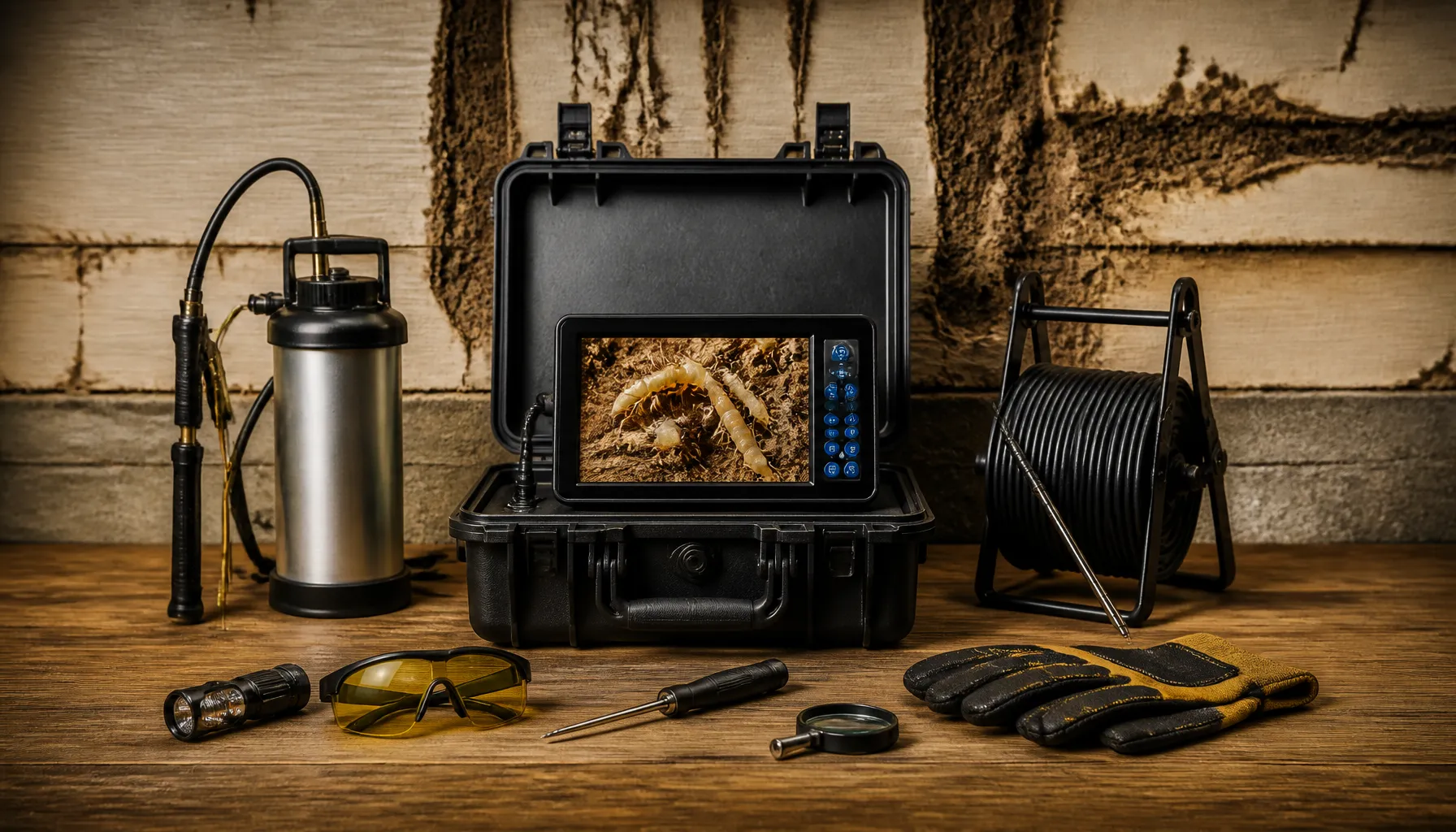
The Role of Professional Pest Control Services
When dealing with the persistent problem of bed bugs, especially in a city like Bangalore, where density and climate provide a perfect breeding ground, the role of professional pest control services becomes indispensable. Bed bugs are notoriously difficult to eliminate, particularly when they infest furniture such as sofas. These pests can survive up to 400 days without feeding under certain conditions, making them resilient adversaries.
Professional bed bug control services offer a systematic approach to eradicating these pests, which is crucial given their rapid reproductive capabilities. A single female bed bug can lay up to 500 eggs in her lifetime, ensuring a swift and troublesome infestation if not addressed promptly. Experts in pest control for bed bugs in sofas employ a combination of inspection, monitoring, and targeted treatments tailored to the specific needs of your home and the extent of the infestation.
Firstly, a thorough inspection is conducted to determine the severity and spread of the infestation. This step involves checking not only the sofa but also surrounding areas, as bed bugs can easily migrate. Once the extent of the problem is assessed, professionals use targeted, low-toxicity chemical treatments that are safe for both humans and pets. These treatments are specifically designed to penetrate deep into sofa cushions and seams where bed bugs like to hide.
Monitoring is a critical component of professional pest control. After the initial treatment, pest control specialists will often return for follow-up visits to ensure that the infestation has been successfully eradicated and to apply additional treatments if necessary. This ongoing vigilance is crucial in preventing reinfestation and ensuring long-term relief from bed bugs.
In conclusion, while DIY methods may offer temporary relief, the expertise and comprehensive approach of professional pest control services are essential in effectively eliminating bed bugs from your sofa and ensuring a pest-free environment in your home. By choosing professional services, you invest in a solution that addresses both the immediate problem and provides long-term prevention.
Preventing Future Bed Bug Infestations
To effectively prevent future bed bug infestations in your living room, it's essential to integrate a strategic approach that addresses both proactive measures and routine maintenance. Bed bugs are notorious for their resilience and rapid reproduction, with females capable of laying up to 500 eggs in their lifetime. Therefore, consistent vigilance and preventive care are crucial.
Regular Inspection and Cleaning: Begin with regular inspections of your sofa and surrounding areas. Look for signs of infestation such as tiny eggs, dark spots, or shed skins. Using a flashlight, thoroughly check crevices and seams where bed bugs tend to hide. Implement a routine cleaning schedule that includes vacuuming your sofa meticulously. Focus on seams, edges, and any folds where bed bugs can easily nest. Dispose of the vacuum bag outside immediately after use to prevent any escape.
Protective Measures: Investing in bed bug-proof encasements for your sofa and cushions can create a formidable barrier. These encasements are designed to be impermeable to bed bugs, preventing them from entering or exiting the furniture. Additionally, ensure that your living room is clutter-free. Bed bugs thrive in cluttered environments, where they can easily hide and reproduce undetected.
Natural Deterrents: Consider using natural deterrents such as diatomaceous earth or essential oils like lavender and tea tree oil. Sprinkle diatomaceous earth around the base of your sofa and throughout the living room, as this fine powder can dehydrate and kill bed bugs upon contact. Essential oils can be strategically placed or sprayed to repel these pests naturally.
Monitoring Devices: Implement bed bug interceptors or traps around the legs of your sofa to monitor and capture any wandering pests. These devices are a simple yet effective way to detect early signs of an infestation, allowing you to take swift action before it escalates.
By employing these preventive strategies, you'll create a hostile environment for bed bugs, significantly reducing the likelihood of an infestation in your living room. Consistent sofa cleaning for bed bugs and maintaining vigilance are key elements in safeguarding your home against these persistent pests.
Comparing Bed Bug Removal Methods
When dealing with a bed bug infestation in sofas or other furniture, understanding the most effective sofa bed bug removal methods is crucial for a successful outcome. While bed bugs are notorious for their resilience—being able to survive up to 400 days without feeding under certain conditions—the right approach can help eliminate them effectively. Here, we compare different bed bug treatment for furniture methods to highlight their practicality, efficacy, and safety.
Comparing Bed Bug Removal Methods
| Method | Description | Efficacy | Safety | Cost |
|---|---|---|---|---|
| Mechanical Removal | Involves vacuuming and using sticky traps. | Moderate: Good for initial control, but not comprehensive. | High: Safe for users and environment. | Low: Minimal equipment needed. |
| Chemical Sprays | Use of non-toxic, low-impact chemical sprays. | High: Effective when applied correctly and consistently. | Moderate: Must follow safety instructions. | Moderate: Requires periodic application. |
| Protective Covers | Encase sofa to prevent bed bugs from entering or escaping. | Moderate: Helps in containment but does not eliminate existing bugs. | High: No exposure to chemicals. | Low: One-time purchase. |
| Freezing Treatments | Uses low temperatures to kill bed bugs. | High: Effective and safe; requires professional equipment. | High: No chemical use involved. | High: Professional service cost. |
| Diatomaceous Earth | A natural powder that dehydrates and kills bed bugs upon contact. | High: Effective over time with consistent application. | High: Non-toxic but dusty. | Low: Easily available and affordable. |
- Vacuum Regularly: Use a high-powered vacuum cleaner, focusing on seams and corners of the sofa where bed bugs commonly hide.
- Apply Diatomaceous Earth: Sprinkle this natural powder around the sofa and in suspected hiding spots. Leave it for several days to ensure maximum effect.
- Use Encasements: Fit your sofa with a protective cover to trap any existing bed bugs and prevent new ones from entering.
- Consistent Monitoring: Place sticky traps beneath and around the sofa to monitor any ongoing bed bug activity and adjust your methods accordingly.
Common Myths About Bed Bugs
When dealing with bed bug infestations, misinformation can often compound the problem. Let's delve into some prevalent bed bug myths that can mislead homeowners in Bangalore, especially when trying to tackle infestations in sofas.
One common misconception is that bed bugs only infest dirty homes. In reality, bed bugs are not attracted to filth but rather to warmth, carbon dioxide, and blood. They can thrive in any environment, whether it's a five-star hotel or a modest Bangalore apartment. The cleanliness of a home does not determine the likelihood of a bed bug invasion.
Another myth is that bed bugs are too small to see with the naked eye. While they are tiny, adult bed bugs are visible, about the size of an apple seed. Their eggs and nymphs are harder to spot, but careful inspection can reveal them, especially in crevices and seams of sofas.
There is also a widespread belief that bed bugs can leap or fly. Bed bugs do not have wings, nor do they jump. They crawl, which means they spread by hitching a ride on clothing, luggage, or furniture. This behavior is particularly relevant in densely populated areas of Bangalore where people frequently move between homes and public spaces.
A particularly dangerous myth is that bed bugs can be effectively eliminated using DIY pesticide sprays. Many over-the-counter solutions are ineffective and can even exacerbate the problem by dispersing the bugs deeper into the furniture. Professional pest control services, using safe, non-toxic methods, are recommended for comprehensive eradication.
Lastly, there's the belief that bed bugs cannot survive long without feeding. While they prefer regular meals, bed bugs can survive up to 400 days without feeding under favorable conditions. This resilience underscores the importance of persistent and informed control measures.
Understanding these bed bug misconceptions ensures that Bangalore residents adopt effective, safe, and sustainable strategies to manage infestations in their homes.
FAQ
What is the best way to get rid of bed bugs in a sofa? The best way to get rid of bed bugs in a sofa is to use a combination of vacuuming, non-toxic sprays, and encasements. Regular inspections and cleaning are essential to prevent re-infestation.
Can bed bugs live in sofas? Yes, bed bugs can live in sofas as they provide a warm environment and plenty of hiding spots. Regular inspections can help detect their presence early.
How do I know if my sofa has bed bugs? Signs of bed bugs in a sofa include small reddish-brown stains, shed skins, and tiny white eggs. You might also notice itchy bites on your skin after sitting on the sofa.
What home remedies kill bed bugs in furniture? Home remedies include vacuuming, using diatomaceous earth, and applying non-toxic bed bug sprays. These methods can help reduce bed bug populations without using harsh chemicals.
How long do bed bugs live in a couch? Bed bugs can live in a couch for several months, with some surviving up to 400 days without feeding under certain conditions. Regular cleaning and maintenance are crucial.
Is it possible to completely eliminate bed bugs from a sofa? Yes, it is possible to completely eliminate bed bugs from a sofa by using a combination of non-toxic methods, regular cleaning, and professional pest control services if necessary.
What are the signs of bed bugs in a sofa? Signs include small blood stains, dark fecal spots, shed skins, and a musty odor. Regularly inspecting your sofa can help catch an infestation early.