Comprehensive Guide to Commercial Pest Control in Bangalore
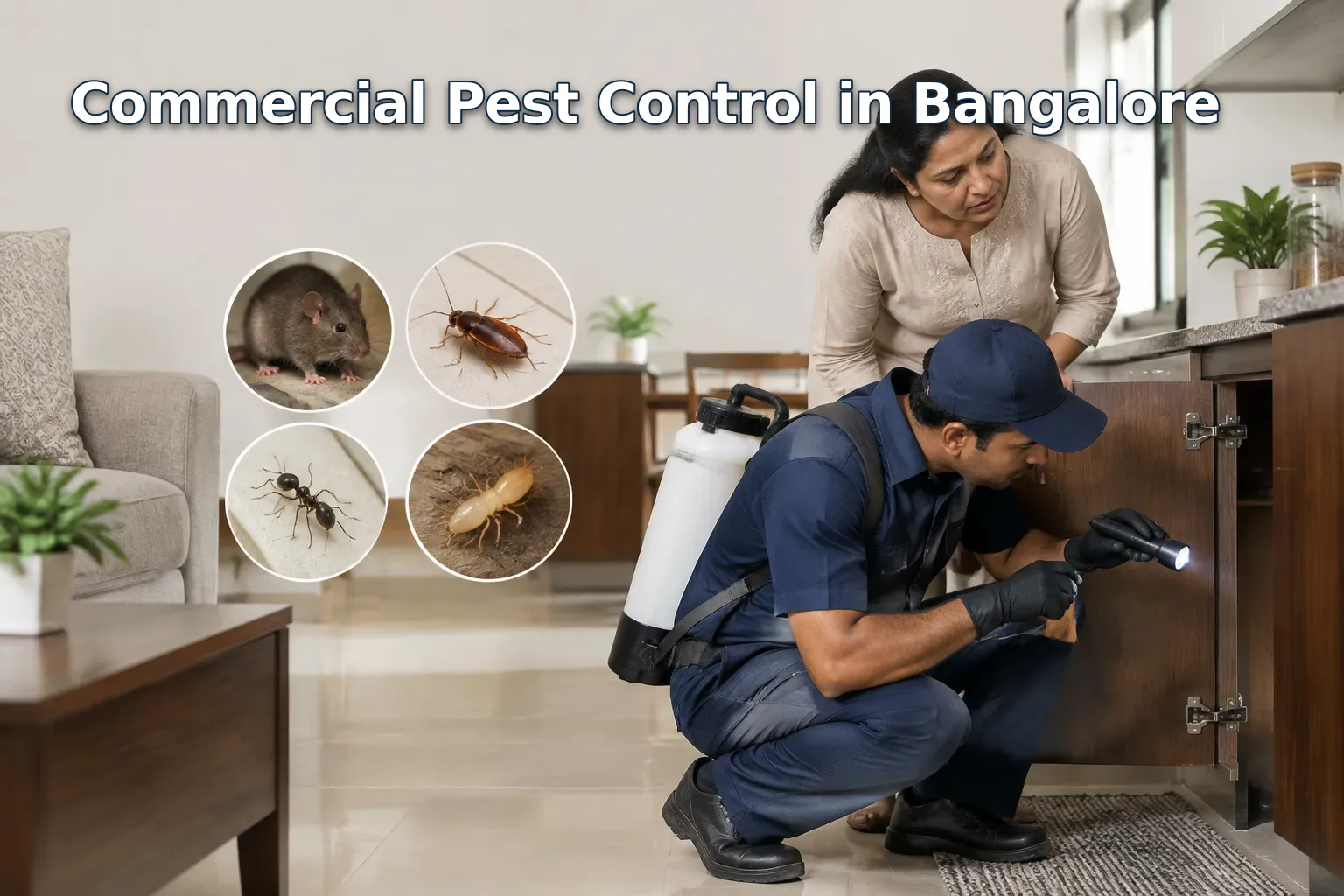
Bangalore, a bustling metropolis known for its vibrant IT parks and burgeoning industrial hubs, faces unique challenges when it comes to pest control in commercial settings. From office complexes to manufacturing units, pests can cause significant disruptions, leading to financial losses and damaging reputations. This detailed exploration delves deeply into the world of commercial pest control in Bangalore, offering insights into the methods, challenges, and benefits of effective pest management.
Understanding the Pest Problem in Bangalore
Bangalore's tropical climate, combined with rapid urbanization, contributes significantly to a host of pest issues. The city's warm temperatures and high humidity create an ideal breeding ground for pests, enabling them to thrive and multiply quickly. Among the most common pests that plague the area are rodents, termites, cockroaches, and mosquitoes. Each type of pest presents unique challenges and necessitates specialized treatment methods to effectively address the issue.
- Rodents are particularly problematic in Bangalore's commercial environments. These critters are not only adept at sneaking through small openings but also have a knack for causing significant damage to electrical wiring and other critical infrastructure. Rodents, with their incessant gnawing abilities, can severely compromise electrical systems, leading to power outages and even potential fire hazards, which can be particularly disruptive and costly in commercial settings.
- Termites can be equally damaging, especially in buildings where wood is a primary construction material. They can eat away structural foundations, often going undetected until substantial damage has been done. Silent destroyers, termites can consume wooden fixtures, furniture, and even paper records, necessitating costly restorations or replacements.
- Cockroaches thrive in the damp, warm conditions prevalent in many parts of Bangalore. They are not only a nuisance but also a vector for diseases such as Salmonella and E. coli, thus compromising hygiene and food safety standards. Their rapid reproduction and ability to hide in small crevices make them difficult to control without professional intervention.
- Mosquitoes are a year-round concern due to the city's climate, posing health risks such as dengue and malaria outbreaks, which can severely impact business operations. Regular fumigation and mosquito control programs are essential in managing these pests, particularly in areas with standing water or during the rainy season.
The Importance of Commercial Pest Control
Pest management in commercial settings is crucial, going beyond the mere eradication of pests to include the maintenance of health standards, protection of property, and adherence to regulatory compliance. For businesses in Bangalore, timely and effective pest control can prevent the following potential issues:
- Product Damage: Rodents, insects, and other pests can wreak havoc on inventory, leading to spoilage and contamination that results in financial loss. This is especially problematic in industries like food processing and pharmaceuticals, where contamination can render entire batches of products unsellable.
- Employee Health: A pest-free environment is essential for maintaining the health and well-being of employees, reducing absenteeism and increasing productivity. Healthier workspaces result in better employee morale and reduced healthcare costs related to preventable infestations.
- Customer Satisfaction: The presence of pests can lead to customer complaints and negatively affect a business’s reputation, especially in industries such as hospitality and food services. Customers expect clean, pest-free environments, and a single sighting can tarnish brand reputation.
- Compliance and Fines: Regulatory bodies have strict guidelines regarding pest control, and failure to comply can result in hefty fines or, worse, business closures. Compliance with local laws not only avoids penalties but also enhances the credibility and trustworthiness of a business.
Thus, addressing pest issues timely not only safeguards against these negatives but also positions a business as responsible and customer-focused.
Methods and Techniques in Commercial Pest Control
In the realm of commercial pest control, a variety of methods are employed ranging from conventional chemical solutions to more innovative and eco-friendly options. One acclaimed approach is Integrated Pest Management (IPM), a strategy combining multiple tactics to control pest populations effectively while minimizing harm to the environment.
Integrated Pest Management (IPM) involves:
- Assessment and Monitoring: Routine checks to identify infestations early. This involves setting up a systematic schedule for inspections and using advanced monitoring equipment to detect pest activity promptly.
- Prevention: Addressing potential entry points to deter pests. This could include sealing cracks, installing barriers, and implementing sanitation protocols to reduce attractants.
- Control: Utilizing targeted treatments like mechanical traps and strategically placed baits. Non-toxic traps and electronic repellents are gaining popularity for their safety and effectiveness.
- Evaluation: Analyzing the effectiveness of interventions and adjusting strategies as needed. Continuous evaluation ensures that methods remain effective and adapt to changes in pest behavior or environmental conditions.
IPM emphasizes the use of non-chemical methods and only resorting to pesticides when absolutely necessary, aligning with modern demands for sustainable practices upon which more businesses are expected to embark.
Challenges in Implementing Pest Control Solutions
Implementing effective pest control solutions in Bangalore’s commercial spaces is fraught with challenges. These challenges often stem from the inherent structures and operations of businesses that create open invitations for pests:
- High Foot Traffic: Constant movement presents numerous entry opportunities for pests. Every time a door opens or shipments are received, there's potential for pests to make their way inside.
- Large Open Spaces: These areas can be difficult to monitor and protect comprehensively. Warehouses and production facilities, due to their size and layout, often present blind spots that pests can exploit.
- Consistent Movement of Goods and Vehicles: This movement can act as a vector for pests to enter and settle in new environments. Regular transportation routes can inadvertently introduce pest infestations across facilities.
- Operational Hours: Many businesses run 24/7, which limits the timing and methods available for pest control measures. Scheduling treatments during off-hours or ensuring non-disruptive methods becomes a necessary consideration.
Moreover, there is an educational component that cannot be overlooked. Training employees to recognize signs of pest activities, as well as maintaining noteworthy hygiene standards, is necessary but often neglected in favor of more reactive measures. Instituting a culture of awareness and proactive engagement can drastically reduce the chances of a full-blown infestation.
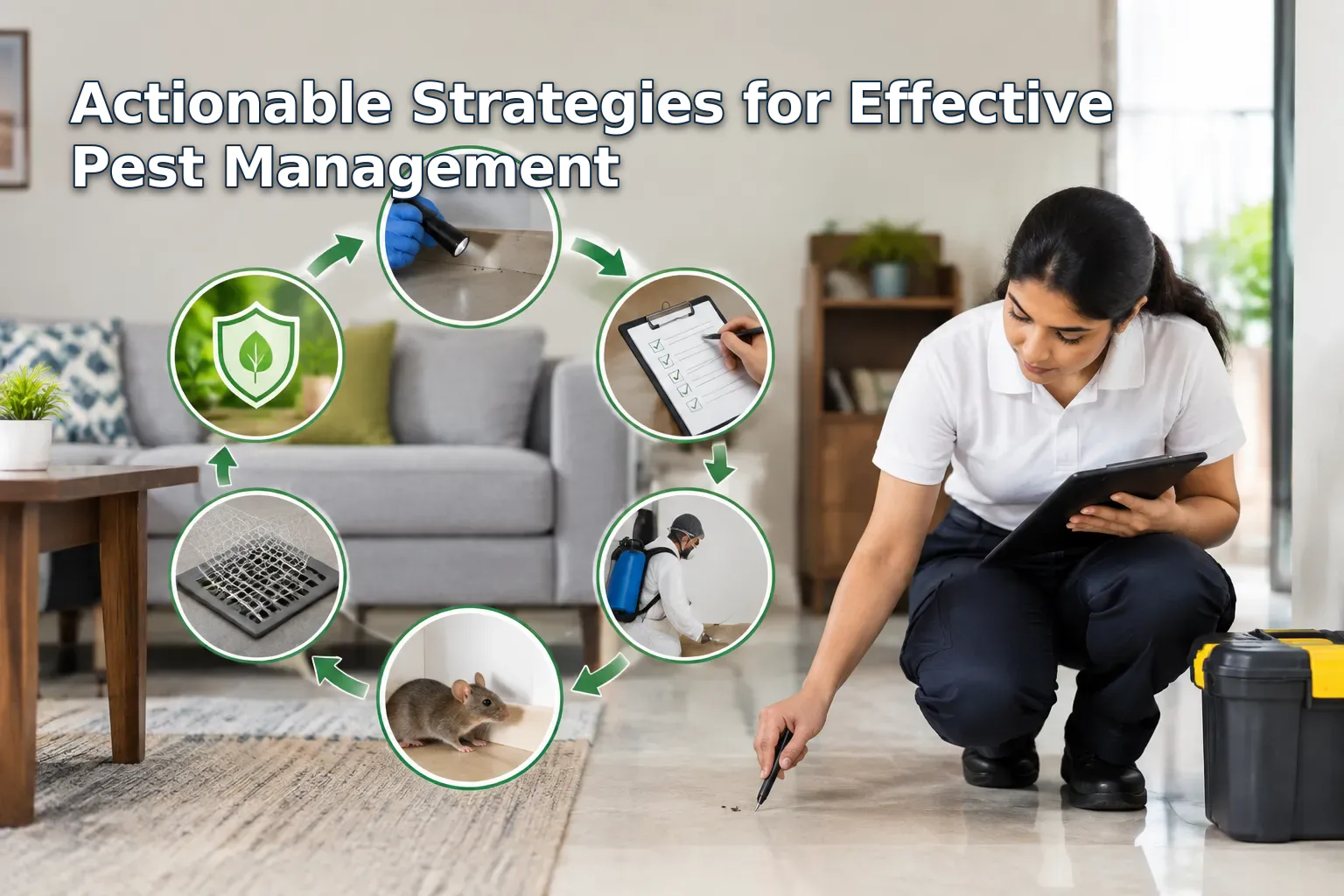
Actionable Strategies for Effective Pest Management
To effectively manage pests, businesses in Bangalore need to adopt a proactive and strategic approach. The following strategies provide robust solutions:
- Regular Inspections: Engage professional pest control services for regular, thorough inspections to identify potential problems before they escalate. This preemptive approach can save significant time and money in the long run.
- Technological Integration: Leverage technology, such as smart traps and pest monitoring software, to gain real-time insights and facilitate faster response times. IoT devices and data analytics can provide predictive models for potential pest hotspots.
- Hygiene and Sanitation: Maintain rigorous cleanliness protocols to deprive pests of food sources and breeding grounds. Regular cleaning schedules and waste management practices must be enforced diligently.
- Staff Training: Educate employees on identifying pest signs and best practices to maintain a pest-free environment. Workshops and training programs can raise awareness and equip staff with the knowledge needed for early detection.
- Proofing and Maintenance: Regular building maintenance to seal entry points and fix leaks, which can attract pests. Ensuring that doors close properly, holes are patched, and that there’s adequate drainage reduces pest access points.
These strategies culminate in creating a hostile environment for pests while underlining the critical role of technology and education in maintaining a pest-free environment.
Selecting a Pest Control Service in Bangalore
Choosing a reliable pest control service is pivotal to ensure effective pest management. Here are some points to consider when selecting a service in Bangalore:
- Proven Track Records: Research potential providers for experience and success stories in similar commercial environments. Long-term clients and industry certifications provide insights into a company’s reliability and effectiveness.
- Expertise and Technology: Ensure they employ knowledgeable technicians equipped with modern, effective pest control tools and techniques. The latest advancements in pest control technology can provide more efficient solutions.
- Licenses and Certifications: Verify that the service provider possesses the necessary permits and adheres to local regulatory requirements. Licensed operators are more likely to follow proper procedures and offer safe solutions.
- Customer Reviews: Consider feedback from past clients to gauge satisfaction levels and service reliability. Online reviews and testimonials can reveal common experiences and overall client sentiment.
- Comprehensive Services: Look for companies offering not just eradication but ongoing management, emergency assistance, and follow-up visits. A holistic approach ensures that pest management is both effective and sustainable over time.
Selecting the right service provider can make a significant difference in keeping commercial spaces pest-free, ensuring business continuity and safety.
The Future of Pest Control in Commercial Spaces
The future of pest control in Bangalore’s commercial sector is heavily predicated on innovation and sustainable practices. As businesses look towards more efficient and eco-friendly options, pest control service providers are compelled to develop new technologies and methodologies. Key future trends include:
- Emphasis on Sustainability: Increasing focus on reducing chemical use in favor of natural solutions. Biopesticides and organic methods are gaining prominence for their environmental benefits.
- Integration with Building Management Systems: Incorporating pest control strategies into broader facility management plans. Collaborative approaches with facility managers ensure comprehensive pest management.
- Customized Solutions: Tailoring methods to meet the specific needs of different industries. Solutions may vary significantly between food production and tech companies, each having unique vulnerabilities and compliance standards.
- Increased Automation: Employing automated systems for continuous monitoring and real-time response. Automation helps provide consistent surveillance and rapid response to potential threats.
- Training and Education: Elevating the knowledge of employees and consumers for broader protection efforts. Ongoing education campaigns can help foster an environment of vigilance throughout the commercial sector.
The commercial pest management landscape in Bangalore promises to evolve with these advancements, ensuring businesses remain operational and respected amidst their clientele.
Frequently Asked Questions
What are the most common pests affecting commercial properties in Bangalore?
The most common pests in Bangalore's commercial properties are rodents, termites, cockroaches, and mosquitoes. This prevalence is driven by the region’s tropical climate and its densely urbanized environment, which offers abundant food and nesting opportunities for these pests.
How often should businesses conduct pest inspections?
Businesses are advised to conduct pest inspections at least quarterly. However, environments deemed high-risk, such as food production facilities or warehouses, may benefit from more frequent, potentially monthly, inspections to ensure early detection and rectification of pest issues. Regular checks help in maintaining compliance and safeguarding against infestation outbreaks.
What is Integrated Pest Management (IPM)?
Integrated Pest Management (IPM) is a comprehensive approach to pest control that combines a variety of strategies to effectively manage pest populations while minimizing environmental and human health impacts. It involves monitoring, prevention, and control techniques adapted to the specific needs of the business environment, promoting sustainable methods as a primary focus. IPM is widely regarded as an industry best practice due to its balance of effectiveness and environmental responsibility.
Related Guides
- Comprehensive Pest Control in Hormavu, Bangalore: Safe and Effective Solutions
- Pest Control in Bangalore: Effective Solutions for a Pest-Free Home
- Eco-Friendly Pest Control Solutions in Bangalore: A Comprehensive Guide
- Effective Pest Control in Bangalore: Comprehensive Guide
- Effective Pest Control Services in Bangalore: Your Ultimate Guide
Need Professional Help?
Still struggling with Commercial Pest Control in Bangalore? Request a thorough inspection to determine the exact extent of the problem and explore targeted treatment options.