Eco-Friendly Pest Management Guide for Bangalore
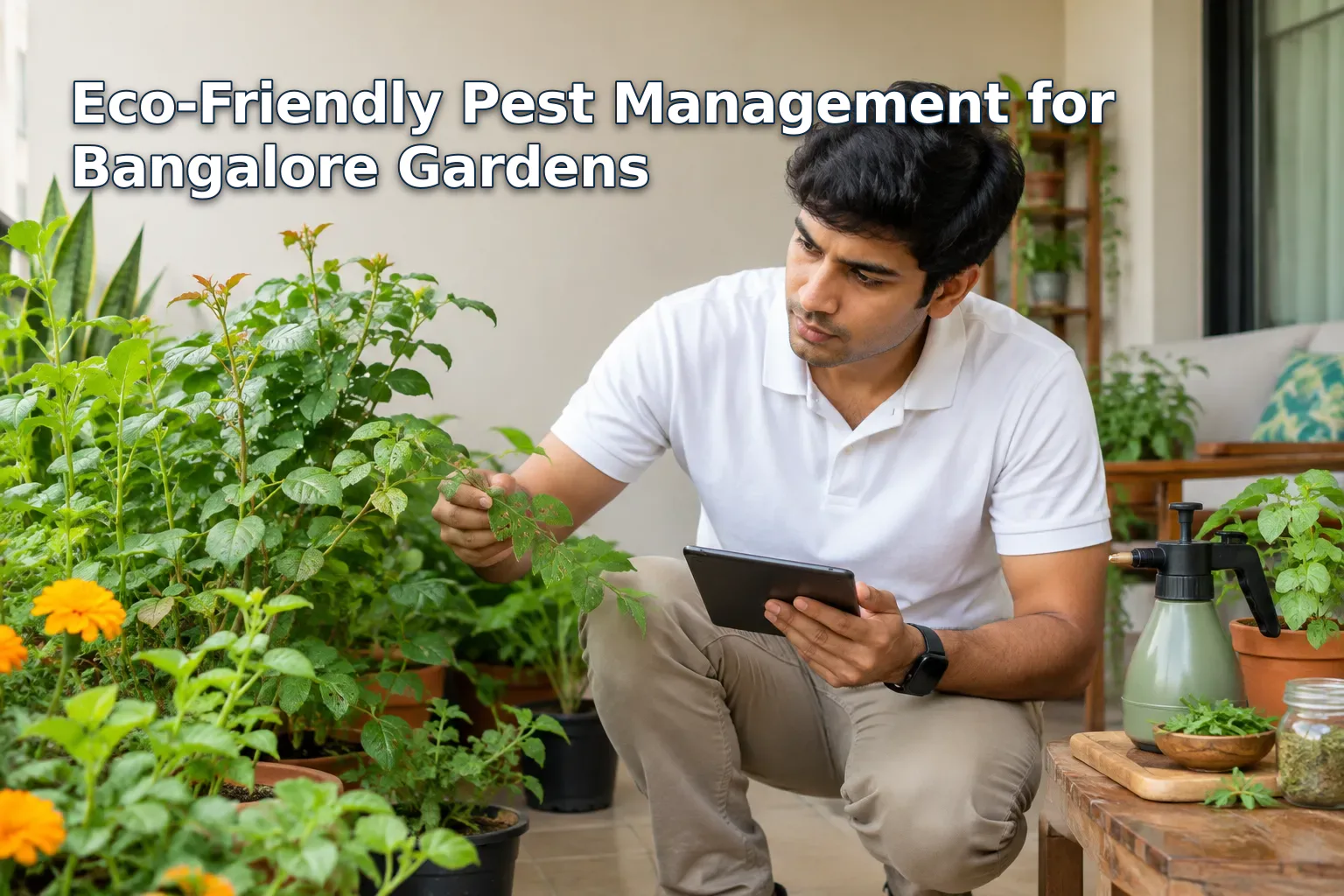
Identifying Common Garden Pests in Bangalore
Bangalore's gardens are a haven for both plants and a variety of pests. Quick identification paired with eco-friendly pest control ensures your greenery remains lush and vibrant. Emphasizing odorless pest management aligns with sustainable gardening practices while maintaining a harmonious ecosystem. Here are key steps and solutions for effectively managing common garden pests in Bangalore using herbal and odorless techniques:
-
Identifying Common Garden Pests:
- Aphids: These small, soft-bodied insects suck sap, leading to distorted plant growth.
- Whiteflies: Tiny, moth-like bugs that leave a powdery residue on plants.
- Spider Mites: Minute arachnids causing speckled discoloration on leaves.
- Caterpillars: Leaf-chewers that strip foliage rapidly.
- Snails and Slugs: These create large holes in leaves and favor moist environments.
-
Odorless Herbal Pest Solutions:
- Implement herbal gel baits known for targeting specific pests with zero odor.
- Utilize micro-encapsulated odorless formulations that integrate seamlessly into the garden environment, repelling or attracting pests to baits without disrupting plant life.
-
Non-Chemical Garden Pest Prevention:
- Practice crop rotation and companion planting. This not only diversifies plant defense mechanisms but deters pests from establishing long-term habitats.
- Install physical barriers like copper tape or floating row covers to protect delicate plants from crawling pests.
- Encourage beneficial insects such as ladybugs and lacewings by planting biodiversity-enhancing species like marigolds and dill.
-
Routine Garden Maintenance:
- Regularly prune plants to improve air circulation, reducing humidity levels that attract pests.
- Maintain clean garden beds by removing dead plant material which can harbor pests.
- Schedule regular inspections of your garden to catch early signs of pest activity and facilitate prompt intervention.
By integrating these eco-friendly pest control methods, your Bangalore garden will thrive while contributing to sustainable urban flora. For more in-depth solutions, consider consulting professional services at /services.
Herbal and Odorless Treatment Options
Eco-friendly pest control is a critical consideration for Bangalore homeowners invested in both effective and sustainable solutions. Integrating odorless treatments ensures a safer environment for family and visitors, free from the potential hazards of odorless, pet-safe formulations. Here’s how to manage your garden pests while maintaining an eco-conscious footprint.
First, consider these herbal and odorless pest management solutions:
-
Herbal Gels & Micro-Encapsulated Formulations: These are specially designed to deter common garden pests like ants, cockroaches, and silverfish without releasing any odor. Leveraging plant-based compounds, they are safe for garden use and homeowners' peace of mind.
-
Gel Baiting Systems: Utilize strategically placed gel baits that target the infiltration points of pests such as cockroaches and ants. These odorless gels work to attract pests to a controlled area, where they are discreetly removed.
-
Structural Barrier Protection: Acts as a first line of defense, physically blocking pests from entering garden areas and homes, a seamless integration into existing landscapes.
To prevent pest infestations, adopt these practices:
-
Regular Monitoring: Inspect your garden routinely for signs of pest activity, noting any droppings, damaged foliage, or unusual insect concentrations. Early detection is key to effective management.
-
Companion Planting: Integrate plants such as marigolds and lavender, which naturally repel pests, into your garden spaces. They act as herbal garden pest solutions well-suited to Bangalore's climate.
-
Natural Predators: Encourage the presence of beneficial insects like ladybugs and lacewings, which naturally keep pest populations in check.
Embrace odorless pest management practices tailored to Bangalore gardens for a balance of efficacy and environmental stewardship. Consider reaching out for further consultation at /services for a bespoke assessment of your eco-friendly pest control needs.

Garden Pest Prevention Strategies
Effectively managing garden pests in Bangalore requires a balanced approach that prioritizes eco-friendly pest control. By implementing preventative measures, you can maintain a healthy garden ecosystem while keeping pest populations in check. Here are key strategies to achieve this:
-
Regular Monitoring: Conduct frequent inspections of your garden to spot early signs of pest infestations. Focus on identifying common Bangalore garden pests such as aphids, caterpillars, and whiteflies, which are prevalent in the region.
-
Companion Planting: Utilize plants with natural pest-repellent properties. Planting marigolds alongside vegetables can deter nematodes, while basil repels mosquitoes and houseflies. This method enhances biodiversity and reduces the need for interventions.
-
Herbal Garden Solutions: Leverage herbal pest control solutions that are both effective and non-toxic. Use neem oil sprays or garlic-based preparations that serve as natural deterrents without leaving harmful residues.
-
Odorless Pest Management: Implement odorless pest management techniques by opting for specialized micro-encapsulated formulations and targeted baiting. These solutions are discrete and safe for garden use, ensuring minimal environmental disruption.
-
Physical Barriers: Protect vulnerable plants with physical barriers such as mesh or netting. This prevents larger pests like birds or rodents from accessing your crops without harming the wildlife.
-
Maintain Soil Health: Healthy soil supports plant vigor, making them less susceptible to pests. Regularly add organic matter, such as compost or well-decomposed manure, to boost soil fertility and structure.
-
Water Management: Avoid overwatering as it attracts pests like snails and slugs. Use drip irrigation to limit water contact with foliage, thus reducing fungal problems.
By incorporating these eco-conscious strategies, you create a sustainable pest prevention framework that supports both your garden’s health and the broader ecosystem. For tailored solutions, consider professional services that specialize in odorless treatments. Explore our offerings at /services for comprehensive pest management tailored to your needs.
Effective Use of Physical Barriers in Gardens
Deploying physical barriers in your garden is a direct and eco-friendly approach to pest management in Bangalore, effectively paired with herbal solutions and odorless treatments. Start by assessing your garden for potential pest entry points and selectively apply barriers to disrupt their paths. Here’s how you can enhance your garden’s defenses:
-
Floating Row Covers: Use lightweight, breathable materials to safeguard your plants from pests while allowing sunlight and rain to penetrate. Stretch these covers over plant rows and secure the edges to prevent access by insects.
-
Garden Nets and Fences: Install fine mesh nets to protect against larger pests like birds or rodents. Ensure fences are firmly embedded into the ground to deter burrowing pests.
-
Copper Barriers for Slugs and Snails: Wrap copper tape around plant containers or raised beds. The natural properties of copper repel these pests without needing additional interventions.
-
Mulch Application: Use organic mulch to create a physical barrier over your soil. It helps in retaining moisture while blocking weed growth and hosting pests like ants and silverfish.
-
Trap Boards: Use sticky boards beneath plants. These can trap wandering insects like ants before they reach your plants.
To complement these physical barriers, integrate these odorless and herbal solutions for comprehensive protection:
-
Herbal Sprays: Formulate sprays using neem oil or garlic extracts. Apply them regularly to deter common Bangalore garden pests.
-
Odorless Gel Baits: Strategically distribute gel baits around garden perimeters to control pests without affecting beneficial insects.
Regular monitoring and adaptation are essential. Check for new pest pathways and reinforce barriers as necessary. With these strategies, your Bangalore garden can thrive without reliance on toxic treatments. For further assistance, explore our services at /services for tailored pest management solutions.
Collaboration with Local Pest Control Experts
Collaborating with local pest control experts ensures you benefit from eco-friendly pest control solutions specifically tailored for Bangalore's unique environment. Professionals use a combination of specialized odorless pest management techniques to safeguard your home and garden without resorting to odorless, pet-safe formulations. Here's how you can effectively manage garden pests with a focus on sustainability:
-
Odorless Treatments: Opt for pest control services that employ odorless gel formulations. These treatments target specific areas, minimizing broad-spectrum applications, and are ideal for sensitive garden spaces.
-
Herbal Garden Pest Solutions: Utilize herbal repellents that deter pests naturally. Integrated Pest Management (IPM) strategies often incorporate plant-based formulas that are safe for the ecosystem and effective in maintaining garden health.
-
Barrier Methods: Establish physical barriers to prevent pest intrusion. Techniques such as fine mesh netting and copper tape can deter common garden pests such as ants and rodents without introducing chemicals into your garden environment.
-
Regular Inspections: Schedule consistent inspections with local experts to identify and address pest issues early. Early detection and intervention are vital to preventing large-scale infestations.
To further enhance your garden's resilience against pests:
-
Plant Selection: Choose pest-resistant plant varieties that naturally discourage common Bangalore garden pests.
-
Companion Planting: Strategically plant insect-repelling herbs like basil and mint alongside vulnerable plants to create a natural pest barrier.
-
Environmental Enhancements: Encourage beneficial insects by incorporating plants that attract them, such as marigolds and daisies.
- Holistic Approaches: Balance your pest control plan by integrating cultural practices like crop rotation and proper sanitation—these reduce pest habitats and improve plant vigor.
Partnering with Bangalore-specific pest control services ensures you maintain an eco-friendly garden environment. Their local knowledge and commitment to herb-based, odorless treatments provide a natural shield, protecting gardens effectively while promoting biodiversity. By incorporating these methods, you can enjoy a thriving, pest-free garden that aligns with sustainable practices.
Frequently Asked Questions
What are some common garden pests in Bangalore?
In Bangalore, common garden pests include aphids, whiteflies, spider mites, caterpillars, and snails and slugs. Each of these pests can cause significant damage to plants if not managed properly.
Are there odorless pest control options for my garden?
Yes, odorless pest control options are available, such as herbal gel baits and micro-encapsulated formulations. These solutions effectively target pests without leaving lingering odors, making them ideal for maintaining a pleasant garden environment.
How can I prevent pests naturally in my Bangalore garden?
Prevent pests naturally by practicing crop rotation, companion planting, and by installing physical barriers such as nets or fences to deter pests. These methods help create a less inviting environment for pests and promote healthy plant growth.
Why is eco-friendly pest management important for gardens?
Eco-friendly pest management is crucial as it promotes a healthy ecosystem, reduces chemical exposure, and supports biodiversity. This approach helps maintain a vibrant, sustainable garden that thrives without harming beneficial insects or plants.
Related Guides
- Effective Odorless Strategies to Keep Cockroaches Away - Pest Control
- Odorless Cockroach Treatment in Bangalore | Safe & Effective Solutions
- Effective Rodent Control Baits for Safe and Odorless Pest Management
- Identifying & Eliminating German Cockroaches in Bengaluru
- Identifying Cockroach Infiltration in B'lore Apartments
- Proven Cockroach Control Strategies for Bangalore Kitchens