Effective Solutions for Managing Wood Borer Infestations in Furniture
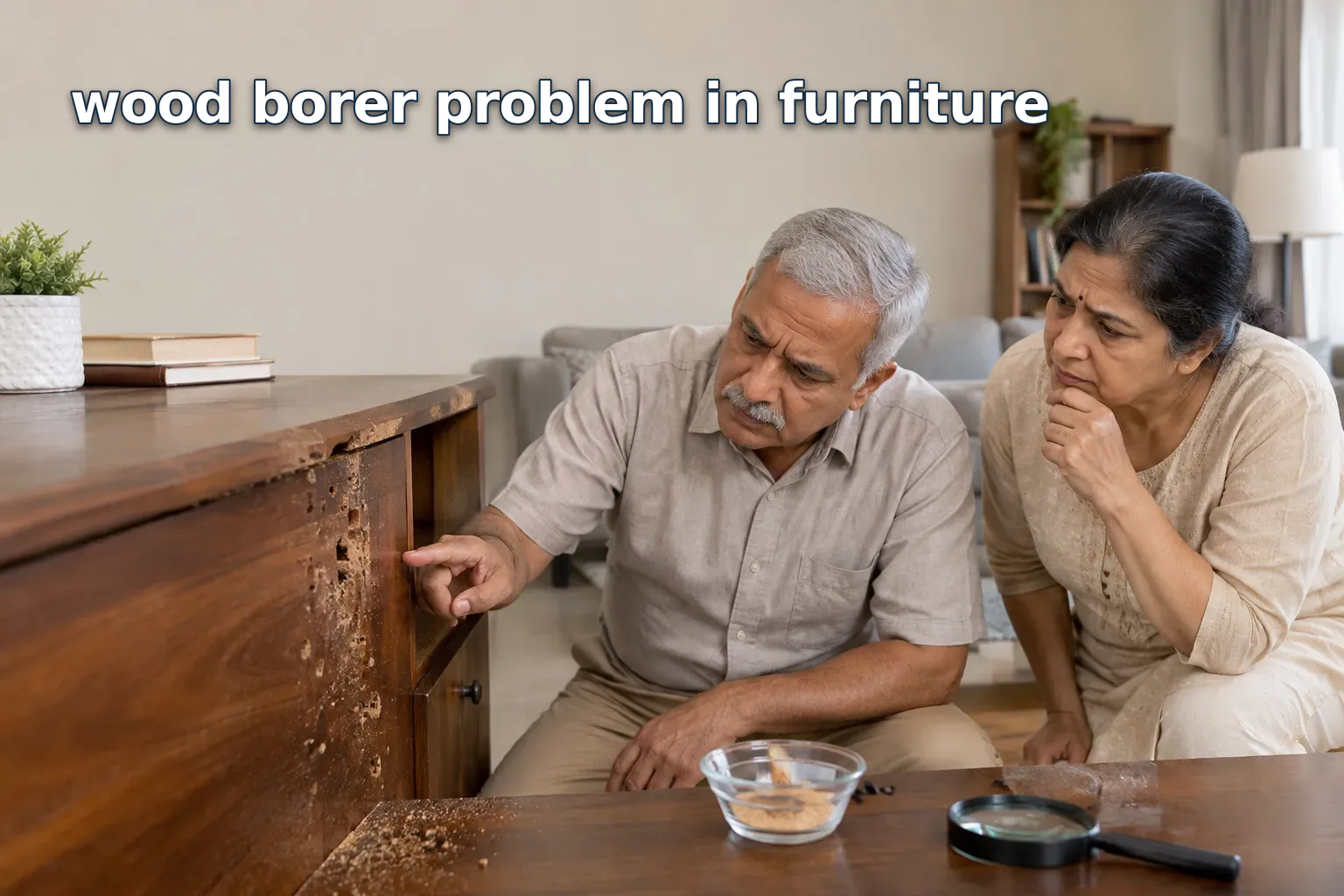
Identification and Life Cycle of Wood Borers
Understanding and identifying a wood borer problem in furniture begins with recognizing the signs of their presence and comprehending their life cycle. Wood borers, primarily beetles in their larval stage, cause significant structural damage as they feed on wood, jeopardizing the integrity of your furniture. Start by inspecting furniture surfaces for fine, powdery frass (wood dust) that wood borers eject while feeding. These tiny exit holes and traces of frass are critical indicators of active infestation that require immediate attention.
- Signs of Infestation:
- Presence of powdery frass around or beneath wooden furniture.
- Small, round exit holes on the furniture surface.
- Fragile or weakening wood that feels structurally compromised upon touch.
Understanding the life cycle of wood borers is essential in timing interventions effectively. Their life cycle comprises egg, larval, pupal, and adult stages:
- Egg Stage: Adult beetles lay eggs on or near wooden surfaces.
- Larval Stage: The most destructive phase. The larvae bore into wood, creating tunnels as they consume the wood from the inside.
- Pupal Stage: Occurs within the wood, where larvae transform into adults.
- Adult Beetle: Emerges from exit holes in search of mates, continuing the life cycle.
Knowing this cycle helps in targeting odorless treatment methods effectively. Odorless formulations and baiting systems work best when timed to tackle larvae before they can mature into adults. To prevent recurring issues, maintaining low humidity levels and ensuring wood is consistently sealed and finished can deter further infestations. Regular inspections and preventive measures are instrumental in managing wood borer problems in furniture without resorting to harmful chemicals. Returning to the basics of careful maintenance and early detection can save homeowners substantial repair costs and preserve the valuable aesthetics of wooden furniture.
Signs and Early Inspection Protocol for Infested Furniture
Detecting a wood borer problem in furniture early can significantly reduce damage and facilitate more effective pest management interventions. Begin by examining your furniture for subtle indicators of wood borer presence. These pests often leave behind powdery frass, which resembles fine sawdust, around exit holes on the surface of the wood. Look for small, pin-sized holes in the woodwork, as these are typical exit holes created by adult beetles emerging from the wood.
To thoroughly inspect furniture:
- Visual Assessment: Look for surface holes and frass on all visible surfaces of wooden furniture, including undersides and backs.
- Tap Test: Gently tap the wood to listen for hollow sounds; this can point towards weakened wood from missing material inside.
- Probe Gently: Use a small tool like a needle to probe suspicious areas. Soft or crumbly wood beneath the surface can indicate active larvae that have tunneled through.
- Monitor Continuously: Keep an eye on areas where you have identified potential signs. Infrared moisture meters can help in identifying affected areas where moisture might attract these pests.
Engage in regular routine checks as part of preventive maintenance, especially if you've previously experienced a wood borer problem in furniture. Regularly relocating furniture can also help by exposing hidden areas that may not be visible from routine inspections.
It is crucial to use only professional services offering odorless treatment solutions for safe and effective management. Our techniques involve specialized odorless micro-encapsulated formulations and gel baits that target larvae and adult borers without leaving residual smells or presenting health risks to home occupants. Remember, consistent vigilance combined with professional pest control interventions can effectively mitigate the wood borer threat in your furniture. For trusted pest management services, explore our offerings at /services.
Preventive Measures and Environmental Exclusion
To effectively prevent a wood borer problem in furniture, adopt a strategic approach that integrates preventive measures and environmental exclusion. Begin by ensuring that all wooden furniture is regularly inspected for early signs of infestation, such as small, round holes or fine, powdery sawdust. Implementing these checks will alert you to potential issues before they escalate.
Key preventive strategies include:
-
Moisture Control: Wood borers thrive in environments with high humidity. Maintain indoor humidity levels below 50% using dehumidifiers and ensure adequate ventilation, especially in closed spaces like basements and attics.
-
Furniture Selection: Where possible, choose furniture made from hardwoods, as these are generally more resistant to wood borers compared to softwoods.
-
Regular Maintenance: Treat unfinished or damaged surfaces of wooden furniture with odorless protective coatings to seal them from possible pest intrusion.
-
Storage Practices: Avoid storing wooden items directly on the floor. Use racks or stands to elevate furniture and keep potential infestations from floor-level dampness at bay.
Environmental exclusion plays a crucial role in maintaining a borer-free home:
-
Physical Barriers: Install window and door screens to limit pest entry and repair any structural gaps in your property.
-
Landscaping: Maintain a neat garden to reduce wood borer access from outdoor sources. Regularly prune or remove deadwood and fallen branches near living areas.
-
Decor Alignment: Position furniture away from walls and direct sunlight to avoid heat-damage-induced cracks, which could become entry points for borers.
By consistently applying these preventive measures, Bangalore homeowners can protect their wooden assets from a potential wood borer problem in furniture, ensuring a healthy, pest-free interior environment. Engage professional pest management services for comprehensive inspections and advanced odorless treatments to safeguard against any emerging threats. For more specialized services, explore /services.

Effective Odorless Treatment Methods for Wood Borers
Tackling a wood borer problem in furniture requires a thorough understanding of the pests’ lifecycle and a commitment to safe, reliable interventions. Begin by opting for our advanced, 100% odorless treatments, which target wood borers effectively without the pungency associated with traditional methods. This ensures a non-intrusive solution that respects both your indoor environment and the aesthetics of your furniture.
Actionable Steps to Manage Wood Borer Infestations:
-
Inspection: Conduct a detailed inspection of all wooden surfaces. Look for signs such as exit holes, frass (powdery sawdust), and discolored patches. Early detection is crucial to prevent extensive damage.
-
Isolation: If possible, isolate affected items to limit the spread of infestation. This is particularly important in cases where infestation is suspected but not visually obvious.
-
Odorless Gel Baiting: Use specialized odorless gel baits that attract and neutralize wood borers. These baits are strategically applied by our professionals to ensure they reach the deepest wood channels.
-
Micro-Encapsulation Technology: Select advanced micro-encapsulated formulations, which release active ingredients slowly to ensure prolonged protection without introducing any smell into your living space.
-
Physical Barriers: Employ structural barrier protection techniques. This involves sealing entry points to prevent further infestation, especially in furniture with intricate carvings or joins.
Safety and Maintenance Tips:
-
Regularly check and maintain the moisture content in furniture to prevent environments conducive to wood borer activity. Dehumidifiers can be useful in humid settings.
-
Schedule periodic professional assessments to monitor previously infested items, ensuring the integrity of your furniture remains uncompromised.
By following these steps, Bangalore homeowners can effectively and safely manage wood borer infestations without disrupting their living environment. For more details on our specialized services, visit our services page.
Post-Treatment Maintenance and Monitoring Strategies
Effectively maintaining a pest-free environment after addressing a wood borer problem in furniture hinges on a systematic approach to monitoring and upkeep. By focusing on prevention and consistent inspection, homeowners can avert recurrence and protect the integrity of their wooden assets with practical ease.
Key Maintenance Strategies
-
Regular Inspections: Schedule routine checks for signs of infestation such as fresh exit holes, sawdust-like frass, or wood dust on surfaces. Inspect not only affected furniture but also other wood items to catch any potential spread early.
-
Moisture Control: Wood borers thrive in moist environments. Use dehumidifiers and ensure proper ventilation in rooms with wooden furniture to keep humidity levels in check, maintaining conditions that are less inviting to pests.
-
Sealing and Finishing: Apply a protective finish or sealant to all wood surfaces. This not only enhances aesthetic appeal but also offers an extra barrier against wood borer infestations. Odorless treatments applied during sealing can provide long-term protection.
Post-Treatment Monitoring
-
Pheromone Traps: Utilize traps as an early detection tool. Position these devices near previously infested areas to capture emerging adult borers, helping to assess the success of treatments and gauge the need for further intervention.
-
Environmental Adjustments: Regularly relocate and rearrange wooden furniture to disrupt ideal conditions for borer habitation. This simple act can make environments less predictable and hospitable for pests.
-
Professional Follow-Ups: Engage pest control experts annually for comprehensive assessments. Their trained eye and access to advanced odorless treatments ensure ongoing protection and address new vulnerabilities.
Practical Checklist
- Conduct bi-monthly visual inspections of all wooden furniture.
- Use dehumidifiers to maintain low indoor humidity.
- Reapply wood sealants as needed, focusing on joints and edges.
- Deploy pheromone traps and check them weekly.
- Schedule annual professional pest control reviews.
Proactively maintaining your furniture ensures that once a wood borer problem in furniture is managed, it remains effectively in the past, preserving both the aesthetic and functional value of your wood investments.
Frequently Asked Questions
What are the common signs of wood borer infestations in furniture?
Common signs include the presence of powdery frass (wood dust), small round exit holes on the furniture surface, and weakened or structurally compromised wood.
How can I prevent wood borer infestations in my furniture?
Prevent wood borer infestations by keeping your furniture in dry conditions, applying protective coatings, and regularly inspecting for signs of infestation. Eliminating sources of moisture and ensuring proper ventilation also help.
What are the effective treatment methods for wood borers in furniture?
Effective treatment methods include using odorless chemical treatments, heat treatments, and applying insecticide sprays specifically designed for wood pests. Professional pest control services can offer comprehensive solutions.
How often should I inspect my furniture for wood borers?
You should inspect your furniture at least twice a year, especially in warm and humid conditions, to catch any early signs of infestation. Regular maintenance and checking for signs like frass and exit holes are crucial.
Related Guides
- Effective Solutions for Wood Powder from Furniture in Bengaluru
- Effective Solutions for White Ants in Bangalore: Protect Your Home
- Top Rat Repellent Machines for Car Protection | PestControlBengaluru
- Effective White Ant Prevention Tips for Bangalore Homes
- Pest Control for Bangalore Restaurants: Keep Your Dining Establishment Pest-Free
- Effective Wood Borer Control in Bangalore