Natural Pest Control for Gardens: Eco-Friendly Solutions
Natural Pest Control for Gardens: Eco-Friendly Solutions — Overview
Introduction to Natural Pest Control
In today's world, the demand for eco-friendly pest solutions is on the rise, driven by a growing awareness of environmental preservation and health concerns. Home gardeners are increasingly turning to natural pest control methods to maintain their gardens without resorting to harmful chemicals. In fact, approximately 70% of home gardeners now prefer these sustainable practices, which align with the global push towards organic gardening.
Natural pest control not only safeguards your garden's ecosystem but also effectively reduces pest populations by up to 80%. This is achieved through a variety of strategies such as introducing beneficial insects, using organic sprays, and employing physical barriers. These methods are designed to target pests specifically, minimizing collateral damage to beneficial organisms and the surrounding environment.
The global organic pesticides market is expected to reach USD 8.2 billion by 2025, reflecting the increasing popularity and effectiveness of these solutions. By opting for natural pest control, gardeners can contribute to a healthier planet while reaping the benefits of a thriving garden. Embracing these eco-friendly pest solutions ensures that your gardening practices are sustainable and in harmony with nature, providing a safe haven for both plants and beneficial wildlife.
Benefits of Natural Pest Control Methods
Embracing the benefits of natural pest control methods not only safeguards your garden but also promotes a healthier ecosystem. One of the most significant advantages of chemical-free pest control is the reduction of harmful residues on plants, ensuring that your fruits and vegetables are safe for consumption. Unlike synthetic pesticides, natural methods utilize eco-friendly solutions that do not harm beneficial insects, thus maintaining the biodiversity of your garden.
As the demand for sustainable practices grows, the global organic pesticides market is projected to reach USD 8.2 billion by 2025, reflecting a significant shift towards more environmentally conscious pest management strategies. Approximately 70% of home gardeners now prefer using natural pest control methods, recognizing their effectiveness in creating a balanced garden environment.
Natural pest control methods are impressively effective, capable of reducing pest populations by up to 80%. This efficiency is largely due to the use of biological controls and natural repellents, which disrupt the life cycle of pests without introducing toxic substances into the soil or water systems. Furthermore, by enhancing soil health and plant resilience, these methods contribute to the overall vitality of your garden.
Ultimately, the benefits of natural pest control extend beyond the immediate eradication of pests. They support long-term sustainability, promote biodiversity, and ensure that gardens remain safe havens for both plants and pollinators. Adopting these methods is a crucial step towards a healthier, more balanced garden ecosystem.
Understanding Organic Pest Management
Organic pest management is a crucial component of sustainable gardening practices that aims to protect your garden while maintaining ecological balance. Unlike conventional pest control methods, organic approaches focus on using natural predators, plant-based repellents, and eco-friendly solutions to manage pests effectively without harming the environment.
The demand for organic pesticides is on the rise, with the global market projected to reach USD 8.2 billion by 2025. This trend reflects a growing preference for natural pest control methods, with approximately 70% of home gardeners choosing these eco-friendly solutions over chemical alternatives. By incorporating organic pest management techniques, such as introducing beneficial insects like ladybugs or using neem oil, gardeners can reduce pest populations by up to 80%, ensuring healthier plants and a more sustainable ecosystem.
Implementing organic pest management not only helps in preserving biodiversity but also enhances soil health and promotes the growth of robust plants. For those interested in exploring more about pest control methods, including eco-friendly options, check out our Cockroach Pest Control Treatment for insights on maintaining a pest-free environment.
By embracing sustainable gardening practices, you can effectively manage pests while supporting the health of your garden and the larger ecosystem.
Biological Pest Control Techniques
Biological pest control is a cornerstone of sustainable gardening, offering an eco-friendly alternative to traditional chemical methods. With the global organic pesticides market projected to reach USD 8.2 billion by 2025, it's evident that gardeners and farmers alike are seeking greener solutions. Approximately 70% of home gardeners now prefer using natural pest control methods, highlighting a significant shift towards environmental consciousness.
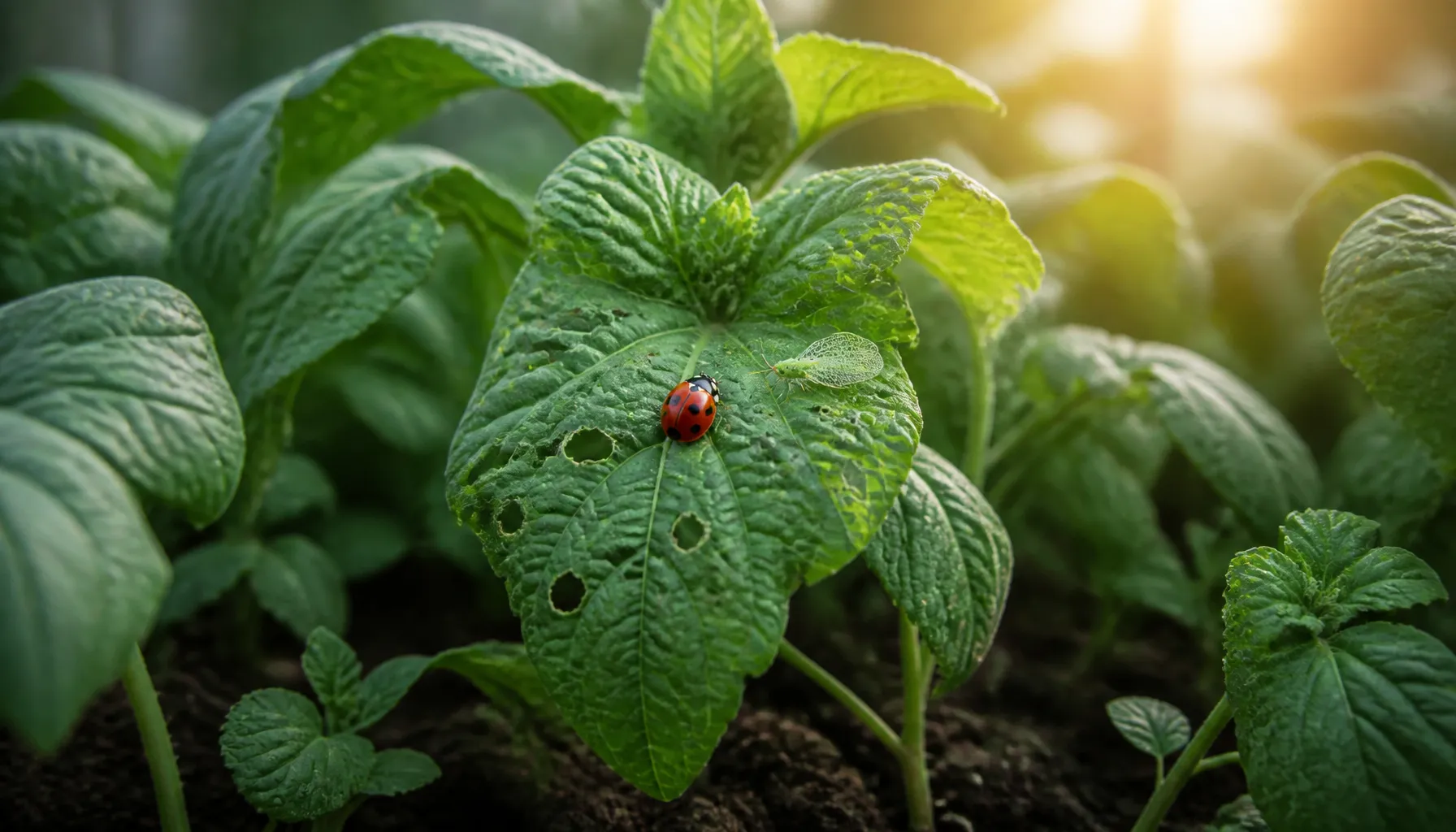
Biological pest control involves using natural predators to manage pest populations. This method is not only effective but also safe for the surrounding ecosystem. Introducing beneficial insects such as ladybugs, predatory mites, and parasitic wasps can significantly reduce the need for chemical interventions. These natural predators can decrease pest populations by up to 80%, creating a balanced garden ecosystem.
In addition to introducing beneficial insects, employing natural insect repellents like neem oil and diatomaceous earth can further enhance pest control efforts. Neem oil, derived from the seeds of the neem tree, acts as a deterrent for a wide range of garden pests, while diatomaceous earth, a powdery substance, dehydrates and eliminates soft-bodied insects without harming plants.
Utilizing these methods not only aligns with environmentally friendly gardening practices but also promotes biodiversity in your garden. By leveraging the power of natural predators and repellents, gardeners can maintain healthy plant growth while minimizing their environmental footprint. Embracing biological pest control ensures a thriving garden that is both bountiful and sustainable.
Companion Planting for Pest Control
Companion planting for pest control is an effective strategy in garden pest prevention, harnessing the natural relationships between plants to deter unwanted insects. By strategically placing certain plants near each other, gardeners can create a natural barrier against pests while promoting biodiversity. This eco-friendly solution is gaining popularity as approximately 70% of home gardeners lean towards using natural pest control methods.
For instance, marigolds are known to repel nematodes and aphids, making them excellent companions for vegetables like tomatoes and peppers. Similarly, basil planted alongside tomatoes not only enhances flavor but also deters flies and mosquitoes. Such combinations not only protect plants but also encourage the presence of beneficial insects, such as ladybugs and lacewings, which can further reduce pest populations by up to 80%.
The growing interest in natural pest control reflects a broader trend, as the global organic pesticides market is projected to reach USD 8.2 billion by 2025. This shift underscores the increasing demand for sustainable gardening practices. By adopting companion planting for pest control, gardeners contribute to a healthier environment, reducing reliance on synthetic chemicals and fostering a more balanced ecosystem. Embracing these natural methods can lead to thriving gardens and a sustainable future.
DIY Natural Pest Control Methods
When it comes to maintaining a thriving garden, many enthusiasts are turning to DIY pest control methods to protect their plants while being kind to the environment. With the global organic pesticides market projected to reach USD 8.2 billion by 2025, it's clear that the demand for natural pesticides is on the rise. Studies suggest that approximately 70% of home gardeners prefer these eco-friendly solutions, and with good reason—natural pest control methods can effectively reduce pest populations by up to 80%.
One popular DIY pest control method involves creating a garlic and chili spray. This potent mixture harnesses the natural repellent properties of garlic and chili peppers to keep insects at bay. Simply blend a few cloves of garlic with a couple of chili peppers, add water, and let it sit overnight. Strain the mixture and use it as a spray on plants to deter pests.
Another effective solution is the use of neem oil, a natural pesticide that can target a wide range of garden nuisances. Neem oil disrupts the life cycle of insects, acting as an insecticide, fungicide, and miticide. Regular application can help keep your garden pest-free without harming beneficial insects.
For those struggling with rodents, our Rodent & Rat Pest Control service offers comprehensive solutions tailored to urban environments like Bangalore. By incorporating these natural pesticides into your gardening routine, you can enjoy a bountiful harvest while minimizing your environmental footprint. Embrace these sustainable practices and contribute to a healthier ecosystem for your garden and beyond.
Herbal and Homemade Pest Repellents
Embracing herbal pest repellents and homemade pest control solutions can transform your garden into a thriving, eco-friendly paradise. With the global organic pesticides market anticipated to reach USD 8.2 billion by 2025, it's clear that more people are prioritizing sustainable methods. Approximately 70% of home gardeners now prefer natural pest control, a testament to its growing popularity and effectiveness.
Herbal solutions are a cornerstone of this movement. Plants like neem, peppermint, and garlic are not just culinary delights but also powerful pest deterrents. Neem oil, for instance, disrupts the life cycle of insects, while peppermint repels ants and aphids. Garlic sprays can ward off a variety of garden pests, leveraging its pungent aroma to keep unwanted visitors at bay.
Homemade pest control is another effective strategy. Simple concoctions using household ingredients such as soap and water can eliminate soft-bodied insects like aphids. Additionally, a mix of vinegar and essential oils can deter a range of pests without harming beneficial insects.
Natural pest control methods have been shown to reduce pest populations by up to 80%, offering a compelling alternative to chemical solutions. By choosing herbal and homemade options, gardeners not only protect their plants but also contribute to a healthier ecosystem.
Integrated Pest Management for Gardens
is a strategic, eco-friendly approach designed to maintain garden health while minimizing environmental impact. This method combines various pest control techniques, emphasizing natural and less harmful solutions over chemical interventions. A key component of IPM is understanding the garden ecosystem and promoting the balance between pests and their natural predators.
The global organic pesticides market is projected to reach a staggering USD 8.2 billion by 2025, reflecting the increased demand for sustainable gardening practices. This growth is fueled by the fact that approximately 70% of home gardeners now prefer using natural pest control methods. These eco-friendly solutions are not only safer for the environment but can also reduce pest populations by up to 80%, offering significant protection without compromising on garden health.
In practice, Integrated Pest Management involves several steps. Firstly, regular monitoring of pest levels allows gardeners to make informed decisions about control strategies. Encouraging beneficial insects, such as ladybugs and lacewings, can naturally curb pest numbers. Additionally, employing cultural practices like crop rotation, and selecting pest-resistant plant varieties, further enhances the garden's resilience.
Moreover, physical barriers and traps can effectively prevent pest infestations without resorting to harmful chemicals. Organic pesticides derived from natural sources serve as a last resort, ensuring minimal impact on non-target species and the surrounding environment.
By adopting IPM, gardeners can achieve a harmonious balance, ensuring thriving plants and a healthy ecosystem. This method not only supports biodiversity but also aligns with the growing consumer preference for natural pest control, highlighting a commitment to sustainable gardening practices.
Comparison of Natural vs. Chemical Pest Control
In the quest for a healthier and more sustainable approach to gardening, many are turning to natural pest control methods. These eco-friendly solutions offer a chemical-free pest control alternative that is both effective and safe for the environment. Approximately 70% of home gardeners are already embracing these methods, contributing to the growth of the global organic pesticides market, which is projected to reach USD 8.2 billion by 2025.
Natural pest control methods, such as introducing beneficial insects or using organic sprays, can reduce pest populations by up to 80%. This not only helps in maintaining the ecological balance but also ensures that the produce is free from harmful chemicals.
Here's a comparison of natural versus chemical pest control methods:
| Feature | Natural Pest Control | Chemical Pest Control |
|---|---|---|
| Environmental Impact | Minimal, promotes biodiversity | High, can harm non-target species |
| Safety | Safe for humans and pets | Potentially hazardous to health |
| Cost | Generally cost-effective | Can be expensive over time |
| Effectiveness | Effective with integrated approaches | Often immediate but short-term solutions |
| Residue | No harmful residue | Can leave toxic residues in the soil |
Conclusion: Embracing Natural Pest Control
Embracing natural pest control is not just a trend but a sustainable gardening practice that is gaining popularity among home gardeners. With approximately 70% of gardeners opting for natural solutions, it's clear that there's a growing awareness of the benefits of eco-friendly methods. These approaches not only reduce the reliance on harmful chemicals but also foster a healthier ecosystem.
The effectiveness of natural pest control is impressive, with studies showing that it can reduce pest populations by up to 80%. This significant reduction helps maintain the balance in your garden, ensuring that plants thrive without the adverse effects of traditional pesticides.
As the global organic pesticides market is projected to reach USD 8.2 billion by 2025, the shift towards sustainable practices is evident. By adopting natural pest control methods, you are contributing to this positive trend, promoting a greener, healthier environment for future generations. Embrace these eco-friendly solutions and experience the benefits of a flourishing, pest-free garden.
FAQ: Natural Pest Control for Gardens
What are some natural ways to control pests in the garden? Natural ways include using companion planting, introducing beneficial insects, and applying homemade herbal sprays. These methods help manage pests without harming the environment.How do you make homemade pest control for plants? Homemade pest control can be made using ingredients like garlic, neem oil, or vinegar. These natural substances are mixed with water to create effective sprays for plants.
What is the best natural pest control for vegetable gardens? Companion planting and using beneficial insects like ladybugs are highly effective for vegetable gardens. These methods naturally deter pests while promoting plant health.
Are natural pest control methods effective? Yes, natural pest control methods can be very effective, reducing pest populations by up to 80% while being safe for the environment and beneficial insects.
What plants keep pests away naturally? Plants like marigolds, basil, and lavender are known to repel pests naturally. Incorporating these into your garden can help deter unwanted insects.