Odorless Techniques for Tick Control in Homes | PestControlBengaluru
Identification and Life Cycle of Ticks
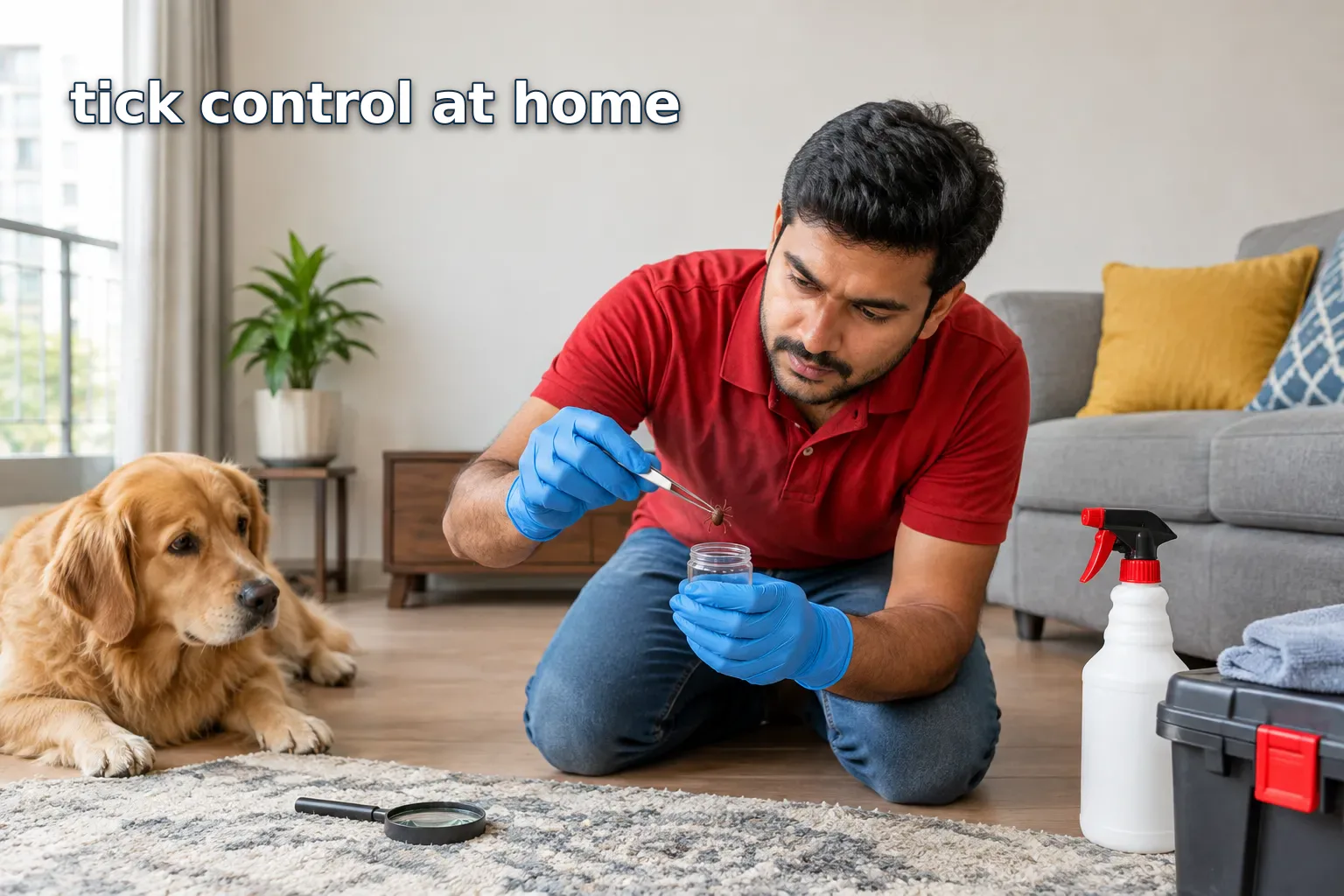
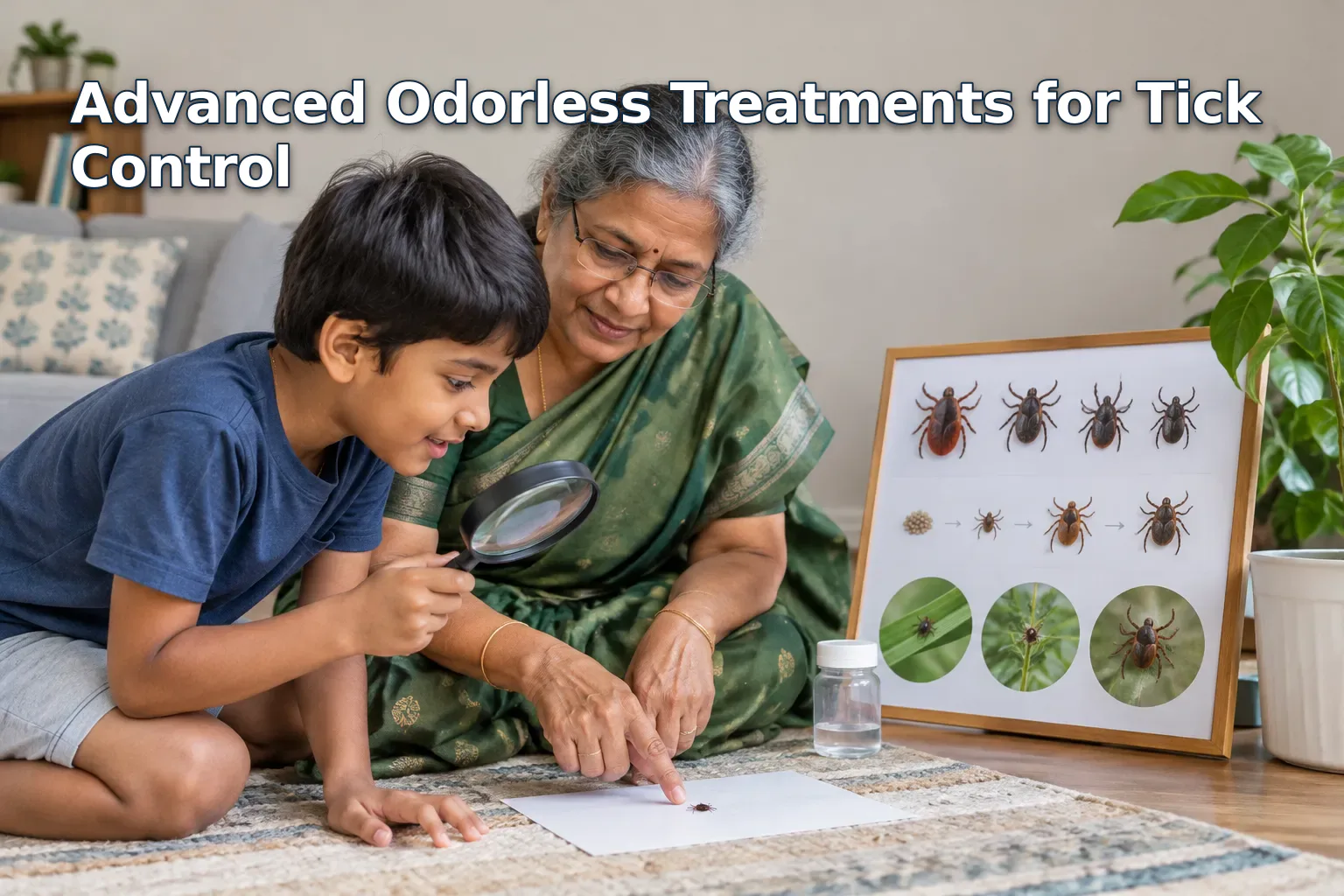
Understanding the identification and life cycle of ticks plays a crucial role in effective tick control at home. Ticks are small arachnids with flat, oval bodies that can vary in color from reddish-brown to black. Their size can change dramatically during feeding, expanding to several times their unfed size. Knowing where to look is vital—ticks often wait on grass blades and shrubs, latching onto hosts through direct contact.
Break down the tick life cycle to better implement control measures:
-
Egg: Female ticks lay thousands of eggs in secluded areas. These eggs hatch into larvae in about two weeks.
-
Larvae: Also known as seed ticks, larvae typically feed on small mammals or birds. This stage lasts a few days, after which they drop off to molt into nymphs.
-
Nymph: Nymphs are more likely to attach to larger hosts such as humans and pets. This stage can last several months if a blood meal isn't found promptly.
-
Adult: Mature ticks feed on larger mammals. Post feeding, female ticks lay eggs, perpetuating the cycle.
Implementing an odorless and effective tick control strategy involves:
- Regular inspections of your home and yard, focusing on grassy, bushy areas where ticks are likely to be encountered.
- Barrier treatments: Utilize physical exclusion methods such as fencing to prevent wildlife carrying ticks from entering your yard.
- Application of odorless herbal gels: These formulations can be applied to common tick pathways to deter their movement.
- Pet precautions: Use veterinarian-approved, odorless treatments for pets, ensuring minimal risk to residents while effectively targeting ticks.
Consistency in these approaches can significantly reduce the tick population, contributing to a safer home environment in Bangalore. For professional assistance, consider consulting a pest control expert specializing in odorless treatments to tailor a comprehensive tick management plan.
Early Inspection Protocols for Ticks
Initiate effective tick control at home by prioritizing a comprehensive inspection. Begin with detailed indoor and outdoor assessments to identify high-risk areas. Ticks thrive in certain conditions, so your inspection should focus on environments providing dense cover and ample humidity.
Indoor Inspection Checklist
- Floor Coverings and Upholstery: Examine plush carpets and fabric-based furniture edges, where ticks may find refuge.
- Pet Resting Areas: Pets can inadvertently transport ticks indoors. Regularly inspect pet bedding and spaces where they frequently rest.
- Storage Clutter and Corners: Thoroughly check less-disturbed locations such as under beds, in closets, and any cluttered zones.
Outdoor Inspection Tactics
- Gardens and Lawn: Regularly mow the lawn and trim overgrown shrubbery, as ticks reside in tall grasses and dense foliage.
- Perimeter Barriers: Consider using physical barriers to separate play areas from vegetation-heavy regions, reducing tick intrusion.
- Fallen Leaves and Wood: Routinely clear fallen leaves and woodpiles, which are prime tick habitats.
Actionable Measures
- Remove Potential Habitats: Declutter indoor spaces and maintain a well-trimmed garden to eliminate breeding grounds.
- Barrier Creation: Implement mulch or gravel borders between lawns and wooded areas to physically deter ticks.
- Routine Checks: Establish a systematic schedule for inspections, ideally aligned with peak tick seasons in Bangalore's climate.
Employing these strategies in your tick control at home regime will significantly mitigate tick presence. Use these inspection protocols as a foundation for more advanced odorless treatment options found at /services. Be proactive in these efforts to ensure a safe and tick-free environment for your household.
Prevention Methods for Urban Environments
Tick control at home requires proactive measures that seamlessly integrate with urban living environments like Bangalore. The following are effective ways to keep ticks at bay using non-chemical, odorless solutions:
- Maintain a Clean Environment: Regular vacuuming, particularly in areas like carpets, rugs, and upholstery, reduces the likelihood of a tick infestation. Focus on corners, crevices, and underneath furniture where ticks might hide.
- Pet Care Routine: Pets are common carriers of ticks. It's essential to routinely check and groom your pets. Utilizing odorless tick collars or treating them with approved, pet-safe odorless formulas can help prevent ticks from entering your living space.
- Landscape Management: Keep your garden or lawn trimmed and free of debris such as leaves and grass clippings. Ticks thrive in overgrown foliage and shaded areas, so maintaining a tidy yard can significantly reduce their presence.
- Create Physical Barriers: Installing tick barriers, such as gravel paths or mulch, can deter ticks from entering common areas. These barriers act as dry zones that are unfavorable for ticks to cross.
- Secure Entry Points: Ensure that window screens, door thresholds, and any potential entry points are well-sealed. Ticks can easily hitch a ride into your home through gaps and open access points.
Adopt these strategies alongside professional odorless treatments involving micro-encapsulated odorless formulations and targeted baiting, ensuring comprehensive protection. For further assistance, consider scheduling an inspection through our services for personalized solutions tailored to your home’s unique needs. Engage in routine inspections and collaborate with pest control professionals who prioritize integrated pest management, focusing on long-term and environmentally responsible strategies. These preventative measures assure a safer, tick-free environment without compromising your urban living standards or ecological responsibilities.
Advanced Odorless Treatments for Tick Control
Implementing advanced odorless treatments for tick control at home involves a strategic combination of identification, prevention, and targeted interventions. Begin by thoroughly inspecting your living spaces—ticks are often found in areas where pets frequent or in concealed spots such as behind baseboards and undisturbed corners. Use a flashlight to carefully detect any signs of ticks.
To effectively manage tick infestations at home, consider these steps:
-
Inspect and Vacuum Regularly:
- Conduct regular visual inspections of pet bedding and upholstered furniture.
- Vacuum your home, focusing on crevices and beneath furniture to remove ticks and eggs. Dispose of the vacuum bag promptly.
-
Implement Odorless Physical Barriers:
- Employ barrier techniques such as sealing cracks and crevices where ticks may enter or hide.
- Install pet-friendly tick collars or natural deterrents around pet entry points.
-
Utilize Odorless Treatments:
- Use targeted odorless gel baits in areas prone to ticks.
- Micro-encapsulated formulations can be applied discreetly by professionals, ensuring a continuous and effective tick control at home without leaving any odor.
-
Maintain Outdoor Areas:
- Mow lawns regularly and prune shrubs to minimize tick-friendly environments outside the home.
- Create a tick-resistant landscape by maintaining a clear zone around the house free of leaf litter and debris.
-
Safe Pet Management:
- Regularly groom and inspect pets for ticks, employing veterinarian-approved odorless tick treatments.
-
Professional Collaboration:
- Collaborate with pest control professionals who specialize in Integrated Pest Management and odorless strategies to conduct thorough inspections and apply precision treatments.
By adhering to these odorless techniques, tick management becomes a seamless part of home maintenance in Bangalore, ensuring a safe and comfortable environment for both residents and pets. For specialized services, consult professional pest control services at /services.
Long-term Tick Management at Home
Achieving effective tick control at home requires a methodical approach employing safe and eco-friendly strategies. In Bangalore, where ticks can thrive in both urban and suburban settings, it is essential to adhere to Integrated Pest Management (IPM) principles that are both health-conscious and environmentally responsible. Here’s how you can ensure long-term tick management effectively:
-
Regular Visual Inspections: Conduct thorough inspections of your property, particularly in garden areas and around pet resting zones. Early detection can prevent larger infestations.
-
Pet Treatment: Ensure your pets receive regular, vet-recommended, odorless treatments suitable for tick prevention. Regular grooming and checking for ticks on animals is vital.
-
Yard Maintenance:
- Keep grass trimmed and gardens tidy to reduce tick habitats.
- Clear leaf litter and weeds from the edges of your property.
- Create a barrier of wood chips or gravel between lawns and wooded areas to deter ticks from migrating into backyard areas.
-
Home Barriers:
- Seal entry points in your home to prevent ticks from entering. Screens should be in good repair, and gaps around windows and doors should be closed.
- Utilize non-toxic, odorless micro-encapsulated formulations for perimeter treatment around your home. These treatments are safe for family and pets while creating a barrier against ticks.
-
Clothing and Personal Measures:
- Wear long sleeves and pants when in tick-prone areas. Use tick-repellent, odorless sprays on clothing if necessary.
- Perform tick checks after outdoor activities to ensure no ticks have latched onto skin or clothing.
By incorporating these practices, residents in Bengaluru can maintain a tick-free environment without relying on odorless, pet-safe formulations or harmful treatments. Consistent vigilance and preventive measures ensure that tick control at home remains both effective and safe. For professional support and comprehensive odorless solutions, consider exploring our services, which are tailored to Bangalore's unique conditions and climate.
Frequently Asked Questions
What are the common signs of a tick infestation in the home?
Common signs of a tick infestation include spotting ticks on pets, family members, or yourself, finding ticks in pet bedding, and unusual pet behavior such as excessive scratching.
How can I prevent ticks from entering my home?
To prevent ticks from entering your home, ensure your yard is well-maintained by keeping lawns mowed and bushes trimmed. Use tick-repelling plants, and apply barrier treatments to yard boundaries to deter wildlife.
Are chemical treatments safe for pets and children?
Odorless chemical treatments, when used according to instructions, are generally safe for pets and children. However, always consult a professional and keep treated areas off-limits until they are completely dry.
How often should I inspect my yard for ticks?
It is advisable to inspect your yard for ticks every month, especially during warmer months when they are most active, or after spending time outdoors.
Related Guides
- Odorless Cockroach Treatment in Bangalore | Safe & Effective Solutions
- Effective Odorless Strategies to Keep Cockroaches Away - Pest Control
- Effective Rodent Control Baits for Safe and Odorless Pest Management
- Identifying & Eliminating German Cockroaches in Bengaluru
- Top Rat Repellent Machines for Car Protection | PestControlBengaluru