Odorless Termite Control for Furniture - Protect Your Home Effectively
Identification and Life Cycle of Furniture Termites
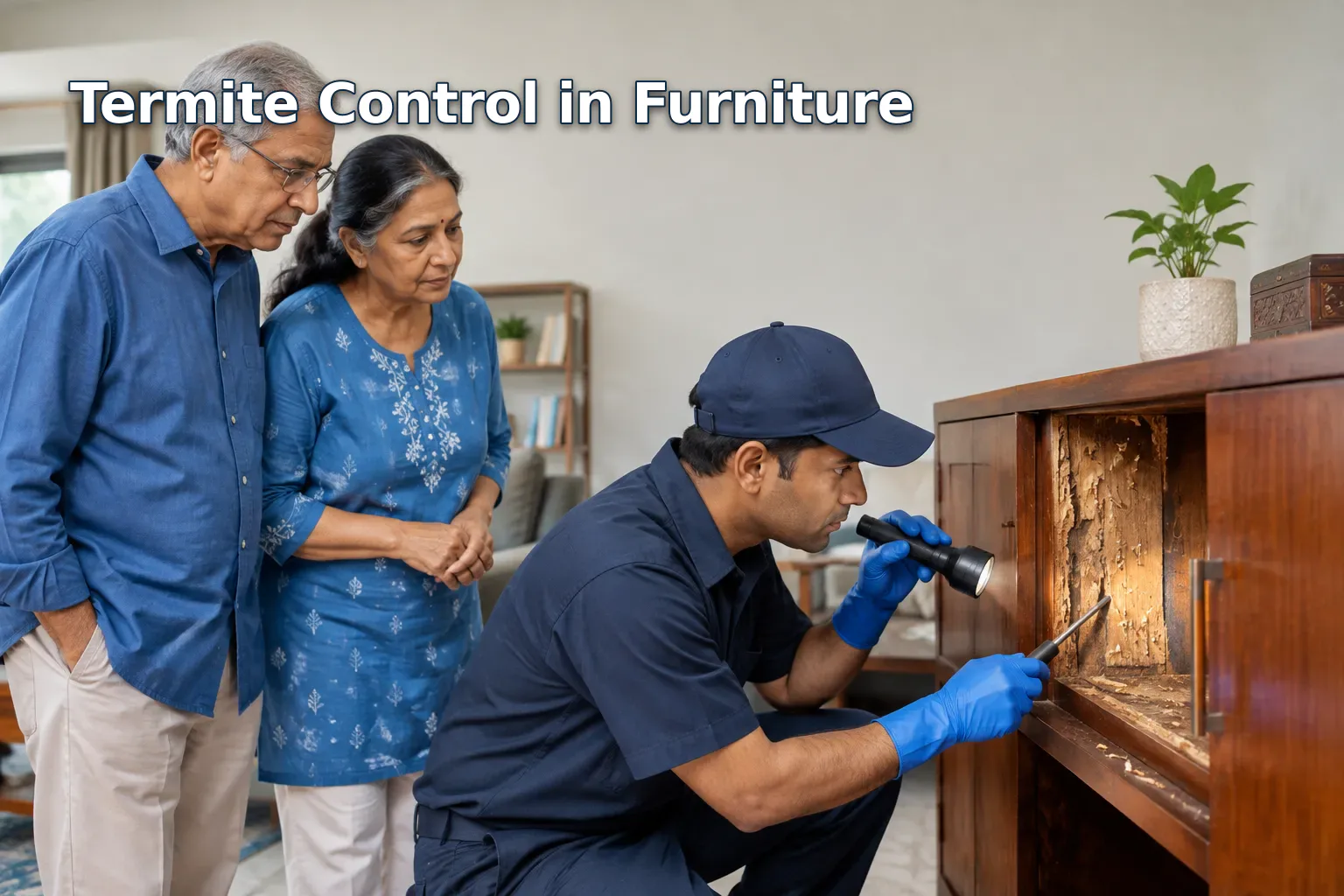
Accurate identification of furniture termites is crucial for effective control. These pests are usually less visible than other types, making early detection a challenge. Furniture termites, often living within wooden items, cause damage that can be extensive if left unchecked. Recognizing their signs is the first step in implementing odorless termite control in furniture.
Signs of Furniture Termite Infestation
- Hollow Sound: Gently tap wooden furniture. A hollow sound often indicates internal damage caused by termites.
- Powdery Residue: Presence of powdery wood residue around or within furniture can suggest active termite activity.
- Small Exit Holes: Look for tiny holes on surfaces, a classic sign of termites emerging.
- Cracked Paint or Veneer: Surface imperfections on furniture, like cracks or blisters, could indicate underlying termite presence.
Life Cycle Understanding for Effective Control
The termite life cycle comprises several stages pivotal for devising an effective control strategy:
- Egg Stage: Eggs hatch within a few weeks, leading to the emergence of nymphs.
- Nymph Stage: These juvenile termites develop through several molting stages, gradually becoming workers, soldiers, or reproductive termites.
- Worker Termites: Responsible for feeding and damage. Detecting them early is crucial for damage control.
- Reproductive Termites (Alates): Winged termites indicate a potentially expanding colony.
Applying this knowledge helps in formulating effective pest management strategies focused on eco-friendly intervention methods. Utilize specialized odorless treatments that disrupt the nymph stage and prevent the colony's long-term establishment.
Beyond identification, preventive measures remain essential:
- Isolation & Quarantine: Isolate new wooden furniture until inspected.
- Regular Inspections: Conduct inspections every few months. Early detection relies heavily on routine checks.
- Moisture Control: Maintain low humidity levels to deter termites, as they thrive in moist environments.
Rely on processes that use odorless micro-encapsulated formulations and gel baiting for targeted, safe, and efficient termite control in furniture, ensuring both your health and furniture remain unharmed.
Early Inspection Protocols for Furniture
Detecting termites early in your furniture can save you significant time and cost in restoration. Here’s a detailed checklist for early inspection protocols to ensure effective termite control in furniture:
-
Visual Inspections: Regularly examine all wooden furniture surfaces for visible signs of termite activity. Look for:
- Mud Tubes: Check under the furniture and along walls. These are small, earthen tunnels termites construct for traveling.
- Frass (Termite Droppings): Resembling sawdust, termite droppings around or beneath furniture may indicate infestation.
- Hollow Wood Sounds: Tap lightly on wood surfaces; a hollow sound can suggest underlying termite consumption.
-
Moisture Monitoring: Termites thrive in moist environments, so controlling humidity is crucial.
- Use dehumidifiers in rooms with wooden furniture to maintain low humidity levels.
- Ensure there are no plumbing leaks or water intrusions near wooden structures.
-
Furniture Movement and Examination: Occasionally reposition furniture to survey areas previously hidden.
- Inspect joints, undersides, and crevices because termites often start feeding in these less noticeable spots.
-
Preventative Measures: Employ termite-resistant materials or finishes when selecting new furniture to discourage termite attraction.
-
Professional Evaluation: While initial checks can be done yourself, engaging professional inspectors ensures a comprehensive assessment.
- Schedule routine inspections by trained professionals who can identify early signs of infestation not readily visible.
-
Documentation and Monitoring: Maintain a record of inspection dates and findings to track potential patterns or emerging issues, allowing for timely responses.
Following these inspection protocols allows for timely and effective termite control in furniture, leveraging advanced odorless treatments. For comprehensive protection, consider professional services that use non-invasive, eco-friendly odorless methods that are safe for all household members. Explore our /services for further assistance and expert help in safeguarding your wooden assets.
Eco-Friendly and Odorless Treatment Methods
For effective termite control in furniture within Bangalore, the application of odorless treatments provides a safe and environmentally sound solution. Our methodologies adhere strictly to Integrated Pest Management (IPM) principles, ensuring that termite control is not only effective but also minimally invasive and eco-conscious. Here are the key strategies:
-
Odorless Micro-Encapsulated Formulations: These advanced formulations deliver potent termite control without the unpleasant odors associated with traditional methods. Micro-encapsulation ensures a targeted release, maximizing efficiency while minimizing environmental impact.
-
Herbal Gel Baiting: This non-intrusive technique involves placing odorless herbal gels in strategic locations where termites are active. These gels are consumed by termites, leading to their elimination while remaining undetectable to humans and pets.
-
Physical Exclusion and Structural Barrier Protection: Implementing physical barriers and making structural modifications can prevent termite entry and infested waste from reaching sensitive areas. This approach fortifies your furniture against potential threats and is a sustainable, long-term solution.
Maintaining vigilance and regularly inspecting vulnerable areas, such as joints and edges in wooden furniture, is vital. Regular check-ups help in early detection and timely application of the odorless treatments, effectively interrupting the reproductive cycle of termites:
-
Routine Inspections: Schedule consistent reviews of furniture, particularly in wooden structures such as chairs, tables, and cupboards. Look out for signs of termite activity, including hollow sounds in wood and visible tunnels.
-
Moisture Management: Ensure that the environment is dry, as termites thrive in moisture-rich conditions. Dehumidifiers and proper ventilation can help maintain an unsuitable habitat for these pests.
-
Professional Services: Engage with experts who specialize in odorless treatments to conduct thorough assessments and apply eco-friendly solutions. These professionals utilize precision techniques to ensure comprehensive termite management.
By adopting these proactive and odorless methods, you can effectively protect your furniture from termite damage while maintaining a safe and pleasant home environment. For further information on our odorless solutions, visit our services page.
Maintenance Tips to Prevent Termite Recurrence
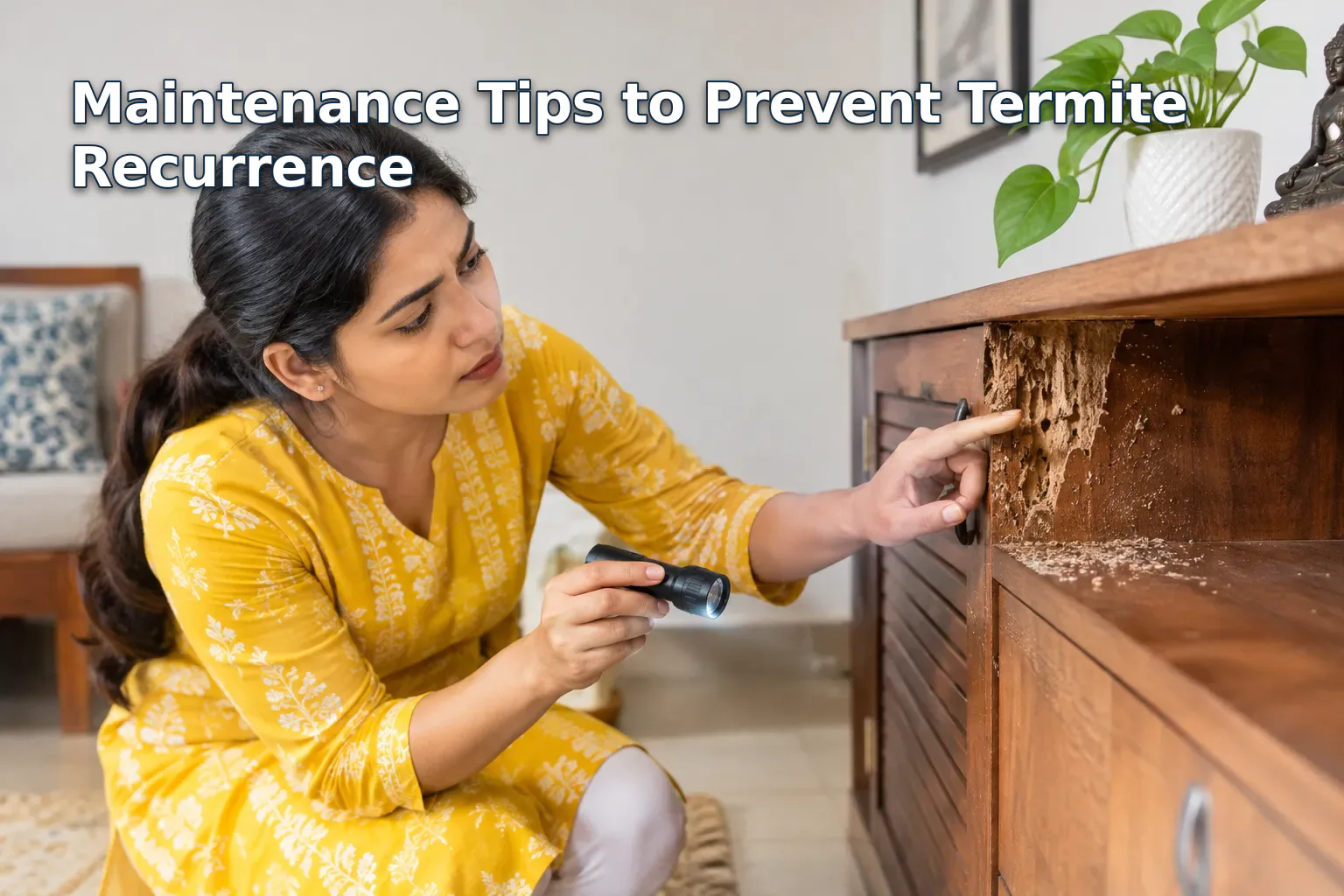
Preserving your furniture from termite infestations requires a strategic blend of proactive maintenance and mindful inspections. Begin by scheduling regular professional check-ups using advanced odorless treatments. This approach ensures any potential recurrences are swiftly dealt with while maintaining a healthy, chemical-free environment in your home.
Key Maintenance Practices:
-
Routine Inspection: Regularly examine your wooden furniture, focusing on small holes, frass, or unexplained grooves. Immediate attention to any signs of damage helps prevent extensive infestations.
-
Optimal Placement: Position furniture away from damp areas. Excessive moisture attracts termites and can weaken wood, making it susceptible. Maintain proper ventilation in rooms housing wooden furniture to reduce humidity.
-
Seal Entry Points: Inspect for any cracks or openings in walls, floors, or around doors and windows. Sealing these gaps can be integral to effective termite control in furniture, safeguarding against new colonizations.
-
Declutter Spaces: Minimize clutter around furniture. Piles of paper, books, or cardboard can harbor termites or conceal damage to wooden items. Keep storage neatly organized and elevated from the floor.
Safe Practices:
-
Odorless Treatment Integration: Incorporate regular applications of micro-encapsulated odorless formulations or gel baits, ensuring embedded barriers that repel termites without impacting indoor air quality.
-
Education and Awareness: Educate family members about termite signs and prevention techniques. Collective vigilance can lead to early detection and mitigate damage.
-
Exclusion Barriers: Establish physical barriers around critical furniture pieces, using materials like metal mesh or heavy-duty plastic sheeting to deter termite access.
By implementing these targeted strategies, you effectively supplement professional termite control in furniture, ensuring long-term peace of mind in your Bangalore home. Regular maintenance, combined with odorless treatment solutions, quietly yet powerfully keeps termites at bay while preserving your valued possessions.
The Role of Professional Services in Termite Management
Professional services are essential for effective termite control in furniture, providing precision and assurance beyond what standard DIY efforts can achieve. In Bangalore, where environmental conditions are favorable for these pests, relying on pros who employ 100% odorless treatments is the optimal route for safeguarding your furniture from termite damage.
-
Expert Inspection: Professionals conduct thorough assessments, identifying not only visible infestations but also detecting hidden colonies. This pinpoint focus ensures treatments are accurately targeted and eliminates the guesswork inherent in DIY approaches.
-
Odorless Treatment Application:
- Odorless Herbal Gels: Applied strategically in high-risk areas, these provide an eco-friendly, non-disruptive solution for active treatments.
- Micro-encapsulated Formulations: These innovative treatments are designed to release active ingredients gradually, ensuring long-term protection without any disturbance from lingering odors.
- Targeted Baiting Techniques: Experts use specially formulated odorless baits that termites are drawn to, ensuring complete colony elimination.
-
Structural Barrier Implementation: Establishing physical exclusion barriers prevents future infestations. Professionals use their expertise to reinforce vulnerable furniture joints and provide advice on alterations to reduce termite access.
-
Continual Monitoring and Maintenance: Regular inspections and treatment updates are crucial for sustained termite control in furniture. Professionals offer customizable maintenance plans, responsibly adapting to any changes in infestation levels or environmental conditions.
Opting for professional services is a strategic investment in termite control for furniture. This approach not only provides peace of mind with its efficiency and safety but also conserves the structural integrity and longevity of valuable furniture pieces in your Bangalore home. Choose a service that complements your lifestyle without disrupting your routines, ensuring that your furniture remains both functional and aesthetically pleasing.
Frequently Asked Questions
What are the signs of termites in furniture?
Signs of termites in furniture include a hollow sound when tapping, powdery wood residue, small exit holes on surfaces, and cracked or blistered paint or veneer.
How do odorless treatments work for termite control in furniture?
Odorless treatments use eco-friendly chemicals that penetrate wood without leaving a trace or scent, effectively eliminating termites while being safe for indoor use.
Is professional termite control necessary for furniture?
Yes, professional termite control is recommended for furniture as experts can accurately assess infestation levels, apply targeted treatments, and provide ongoing prevention strategies.
How can I prevent termites from returning to my furniture?
Prevent termites by maintaining low humidity levels, ensuring good ventilation, applying wood sealants, and conducting regular inspections for early detection signs.
Related Guides
- Effective Odorless Termite Control in Bangalore | Professional Anti
- Effective Solutions for White Ants in Bangalore: Protect Your Home
- Effective Pest Control Solutions in Bangalore: Your Ultimate Guide
- Effective Pest Control in Sadashivanagar, Bangalore: Your Ultimate Guide
- Comprehensive Pest Control in Hormavu, Bangalore: Safe and Effective Solutions
- Effective Remedies for White Ants at Home: Natural Solutions