Effective Professional Rat Control Methods for Your Home
Effective Professional Rat Control Methods for Your Home — Overview
Understanding Rat Infestations
Rats are notorious for their ability to invade homes and multiply swiftly, making it crucial to understand the dynamics of a rat infestation. A single pair of rats can produce thousands of offspring annually, posing significant challenges for homeowners. The key to effective solutions lies in early detection and intervention.
Rats are not just a nuisance; they carry diseases and can cause substantial structural damage by gnawing on wires and insulation. Professional rodent extermination services are essential in addressing these issues comprehensively. These services focus on humane and environmentally friendly methods to control and reduce rat populations effectively.
Professional pest control teams employ integrated pest management strategies that can reduce rat populations by up to 90% in treated areas. This significant reduction highlights the importance of choosing experienced professionals when dealing with infestations. As the global pest control market is projected to reach $30 billion by 2027, rodent control remains a critical segment, underscoring the demand for effective solutions.
By understanding the nature of rat infestations and utilizing professional services, homeowners can protect their property and health, ensuring a safer and more comfortable living environment. Remember, addressing the problem promptly is key to preventing extensive damage and health risks associated with these resilient pests.
Professional Rat Control Methods
When it comes to managing rat infestations, professional rat control methods are crucial to ensure effective and lasting solutions. Rats reproduce rapidly, making timely intervention by rat control experts essential.
Professional pest control services employ a combination of non-toxic methods tailored to target rat populations while ensuring safety for humans and pets. These methods include strategic placement of traps and the use of bait stations designed to attract and eliminate rats efficiently. One of the key advantages of engaging professionals is their expertise in identifying entry points and nesting sites, allowing for a more comprehensive approach to rat control.
Moreover, professional services often result in a significant reduction of rat populations, with some treatments capable of decreasing infestations by up to 90% in treated areas. This effectiveness is critical, considering the potential health risks and property damage associated with rat infestations.
In addition to immediate control measures, rat control experts provide valuable insights into preventive strategies. This includes sealing potential entry points, maintaining cleanliness, and managing food sources to deter future infestations.
Given the projected growth of the global pest control market, the demand for specialized rodent control services remains strong. Investing in professional rat control methods not only addresses current infestations but also plays a vital role in safeguarding homes against future rat problems.
Humane Rat Traps and Techniques
When it comes to managing rat infestations humanely, humane rat traps and effective deterrents play a crucial role. Unlike traditional methods, humane traps aim to capture rats without causing harm, allowing for their safe release away from human dwellings. This approach is not only ethical but also aligns with the growing demand for sustainable pest control solutions.
Effective rat deterrents include natural repellents such as peppermint oil, which can be strategically placed in areas prone to rat activity. Additionally, sealing entry points and maintaining a clean environment are essential preventive measures.
Professional pest control services can significantly reduce rat populations by up to 90% in treated areas. This highlights the importance of integrating professional help with humane traps and deterrents. As the global pest control market trends toward a $30 billion valuation by 2027, innovations in rodent control continue to gain traction.
For more insights on managing rodent infestations, consider exploring our detailed guide on Rodent Control Best Practices.
Integrated Pest Management for Rodents
Integrated Pest Management (IPM) for rodents is a holistic and sustainable approach to controlling rat populations in your home. Unlike traditional methods that rely heavily on chemical treatments, IPM emphasizes a combination of strategies to manage pests effectively while minimizing risks to humans and the environment.
A critical component of integrated pest management for rodents is understanding the biology and behavior of rats. These pests are prolific breeders, making it essential to implement a comprehensive plan that targets not just the visible rats but also their potential breeding sites.
Effective pest management for rats begins with prevention. Sealing entry points, eliminating food sources, and maintaining cleanliness can significantly reduce the likelihood of infestation. Monitoring and identification are also vital. Regular inspections help in detecting early signs of rat activity, allowing for timely interventions.
When it comes to direct control methods, professional pest control services play a crucial role. These services can reduce rat populations by up to 90% in treated areas, utilizing methods that are safe for both humans and pets. This is achieved through a combination of baits, traps, and exclusion techniques, all tailored to the specific needs of your property.
Furthermore, as the global pest control market is projected to reach $30 billion by 2027, the demand for effective rodent control continues to grow. By choosing an IPM approach, you not only address current infestations but also contribute to long-term pest management solutions. Adopting IPM principles ensures a healthier, safer environment for your household while effectively managing rat populations.
Rat Proofing Your Home
Rats are not only a nuisance but also a serious health hazard, capable of transmitting diseases and causing significant damage to property. Rat proofing homes is an essential step in preventing infestations and safeguarding your environment. To effectively implement rat prevention techniques, start by sealing all entry points. Rats can squeeze through openings as small as half an inch, so inspect your home meticulously, paying close attention to gaps in walls, around doors, and near utility lines. Use durable materials such as steel wool or wire mesh to block these potential entryways.
Another critical aspect of rat proofing is maintaining cleanliness. Ensure that food waste is secured in tightly sealed containers and avoid leaving pet food out overnight. Regularly clean up cluttered areas, such as basements and attics, where rats may nest and breed.
Incorporating these rat prevention techniques not only helps in keeping these pests at bay but also complements the services offered by professional pest control providers, which can reduce rat populations by up to 90% in treated areas. With the global pest control market projected to reach $30 billion by 2027, effective rodent management remains a key focus for homeowners and industry professionals alike.
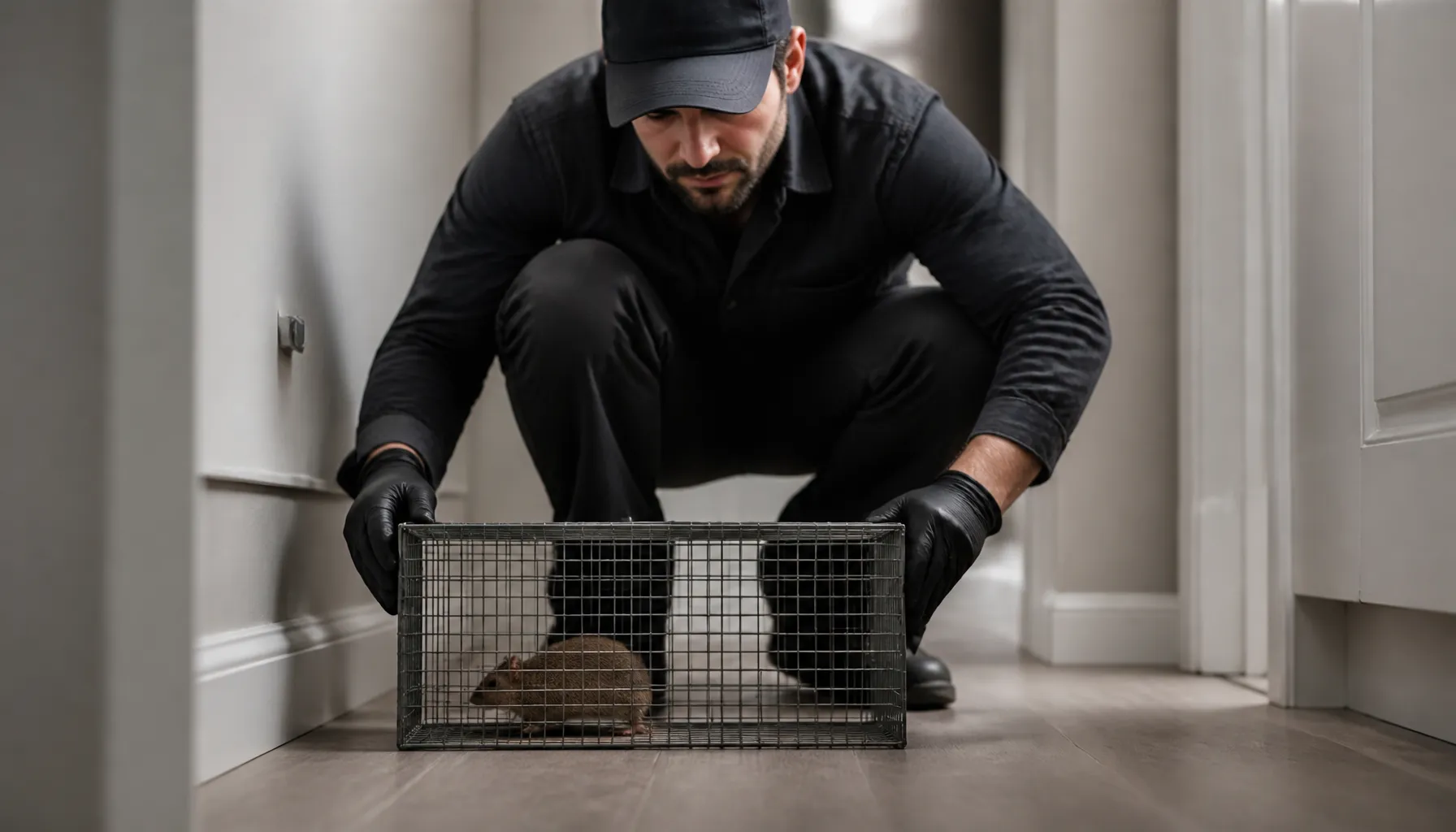
Commercial vs. Residential Rodent Control
When it comes to managing rodent infestations, understanding the differences between commercial rat removal and residential rodent control is crucial. Both sectors require tailored approaches due to varying environments and challenges.
In commercial settings, rat infestations can severely impact business operations, reputation, and compliance with health regulations. Due to the larger scale and complexity of these environments, commercial rat removal often involves comprehensive strategies such as regular inspections, customized bait stations, and ongoing monitoring programs. This proactive approach not only mitigates existing rat populations but also helps prevent future infestations. Effective commercial pest control can reduce rat populations by up to 90% in treated areas, safeguarding businesses from potential revenue losses and health hazards.
On the other hand, residential rodent control focuses on protecting homes and families from the health risks and structural damage caused by rats. Residential strategies typically involve identifying entry points, using humane traps, and implementing exclusion techniques to prevent access.
Whether dealing with a commercial or residential setting, professional pest control services play a pivotal role. With the global pest control market projected to reach $30 billion by 2027, it's evident that effective rodent management is a critical component of this growth. For more insights on professional rodent control, explore our detailed guide on Local Rodent Management Solutions.
Comparison of Rat Control Methods
When it comes to mouse and rat control, selecting the right method is crucial for effectively managing a rat infestation. Professional pest control services can reduce rat populations by up to 90% in treated areas, making them an essential option for significant infestations. Below is a comparison of various rat control methods to help you choose the most effective solution for your home.
| Method | Description | Effectiveness | Pros | Cons |
|---|---|---|---|---|
| Traps | Physical devices that capture or kill rats. | High for small infestations | Immediate results, no chemicals used | Requires regular monitoring and disposal |
| Baits | Poisonous substances that attract and kill rats. | High when used correctly | Effective for larger infestations | Risky if pets or children are present |
| Exclusion | Sealing entry points to prevent rats from entering. | Preventive | Long-term solution, protects against new infestations | Labor-intensive, requires thorough inspection |
| Professional Services | Comprehensive approach involving inspection, trapping, and exclusion methods. | Extremely high | Reduces populations by up to 90%, expert handling | Costs more than DIY methods |
Effective Rat Deterrents
Successfully keeping rats at bay requires implementing effective rat deterrents alongside professional pest control services. Rats pose significant risks due to their rapid reproduction rate. This underscores the importance of preventative measures.
Start with simple rat prevention techniques. Seal any cracks or holes in your home’s foundation, as these can serve as entry points for rodents. Ensure that food sources, including pet food, are stored in sealed containers to reduce attraction. Regularly declutter spaces like basements and attics, where rats tend to nest.
Professional pest control services are vital in managing severe infestations. By employing targeted strategies, these services can reduce rat populations by up to 90% in treated areas. This is crucial given the growing global pest control market, projected to reach $30 billion by 2027, where rodent control remains a significant focus. Implementing both professional services and preventative measures is essential for a rat-free home environment.
FAQ
What are the most effective methods for rat control? The most effective methods include using humane traps, exclusion techniques, and integrated pest management strategies. These methods focus on safely reducing rat populations without harmful chemicals.How do professionals get rid of rats? Professionals use a combination of traps, exclusion methods, and environmental modifications to manage and prevent rat infestations effectively. They focus on non-toxic, humane solutions tailored to specific situations.
What is the best way to prevent a rat infestation? Preventing a rat infestation involves sealing entry points, maintaining cleanliness, and using natural deterrents. Regular inspections and professional advice from rat control experts can also help keep your home rat-free.
Are there humane methods for controlling rats? Yes, humane methods include using live traps and exclusion techniques that allow rats to be released away from residential areas. These methods are effective and environmentally friendly.
Can pest control get rid of rats permanently? While pest control can significantly reduce rat populations, permanent removal requires ongoing prevention efforts such as sealing entry points and maintaining a clean environment. Professional rodent extermination services can reduce rat populations by up to 90% in treated areas, but continuous vigilance is key to long-term success.
For more information on managing rat infestations and professional services, check out our comprehensive guide on Expert Rat Control Strategies.