How Termites Damage Homes: Prevention and Repair Insights
Understanding Termite Damage
To truly comprehend how termites damage homes, it's essential to understand their relentless nature and the extent of their destruction. Termites are silent invaders that can cause significant structural damage before homeowners even realize there's a problem. These pests are particularly notorious for their ability to consume wood, making the integrity of your home vulnerable.
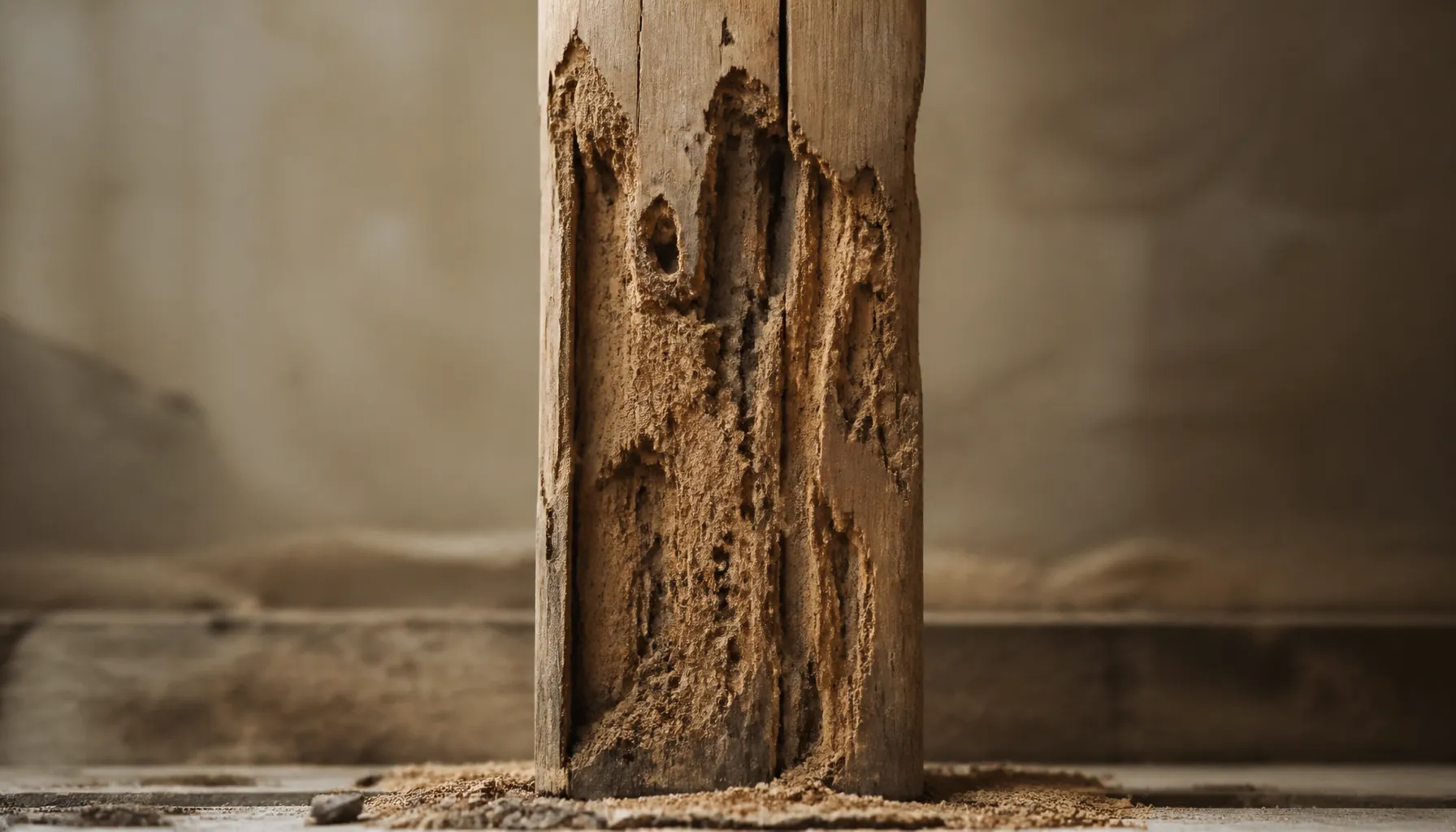
Wood damage by termites is often severe because they feed on cellulose found in wood and wood-based materials. This can lead to sagging floors, hollowed-out wood, and even compromised structural supports. Alarmingly, a single colony of termites has the potential to consume up to 1,000 pounds of wood annually. Given that termites affect over 600,000 homes in the US each year, the risk is both widespread and substantial.
The financial impact is staggering, with termites causing over $5 billion in property damage annually in the US alone. Homeowners must be vigilant, regularly inspecting wooden structures for signs of infestation. Look for telltale signs such as mud tubes, discarded wings, and frass (termite droppings) to detect early infestations.
Preventive measures are crucial in safeguarding your property. Ensuring proper ventilation, reducing moisture around the foundation, and maintaining a gap between soil and wood elements are effective strategies. If you suspect termite activity, professional pest control services can offer comprehensive inspections and treatments tailored to eradicate these destructive pests without resorting to harmful chemicals. By understanding the extent of termite damage and implementing preventative measures, you can protect your home from these costly invaders.
Common Signs of Termite Infestation
Detecting a termite infestation early can save homeowners significant costs and prevent extensive damage to their property. Recognizing the common termite infestation signs is crucial in safeguarding your home. One of the primary indicators is the presence of mud tubes on walls, which termites construct for protection from predators and to retain moisture while traveling between their colony and the food source.
Another telling sign is hollow-sounding wood. When termites feed, they consume wood from the inside out, leaving a thin veneer or even just the paint. This damage often goes unnoticed until it's severe. Additionally, discarded wings near windowsills or doorways can signal swarmers, the reproductive termites, which shed their wings after mating.
Homeowners might also notice frass, which resembles sawdust but is actually termite droppings, particularly near wooden structures. Buckling floors, swollen ceilings, and tight-fitting doors or windows are further indications that termites might be compromising the structural integrity of your home.
Given that termites cause over $5 billion in property damage annually in the US, a thorough termite inspection process is essential. Professional inspections can identify these pests before they cause irreversible damage. Experts can detect even subtle signs and provide targeted solutions to eliminate the threat. Remember, a single termite colony can consume up to 1,000 pounds of wood per year, emphasizing the importance of regular inspections to maintain the safety and value of your home. While termites affect more than 600,000 homes in the US each year, early detection and prevention can significantly reduce their impact.
The Lifecycle of Termites
Understanding the termite lifecycle is crucial for effective prevention and repair of termite damage. These tiny yet destructive pests are part of a highly organized structure known as termite colonies, consisting of distinct roles such as workers, soldiers, and reproductive alates. The lifecycle of termites begins when winged alates leave their existing colonies to establish new ones. After mating, they shed their wings and become the king and queen of a colony, laying eggs that hatch into nymphs.
The nymphs develop into workers, soldiers, or future alates, depending on the colony's needs. Workers are responsible for feeding the colony and causing most of the damage to wooden structures, consuming up to 1,000 pounds of wood annually. Soldiers defend the colony from threats, while the reproductive alates ensure the colony's growth and expansion.
Given that termites affect over 600,000 homes in the US each year and cause over $5 billion in property damage, understanding their lifecycle is vital for homeowners. Regular inspections and early detection can prevent severe damage. By recognizing signs of termite activity and knowing the lifecycle stages, homeowners can better safeguard their properties and implement timely interventions, minimizing the risk of extensive damage.
Types of Termites: Subterranean vs. Drywood
When it comes to termite infestations, understanding the differences between subterranean termites and drywood termites is crucial for effective prevention and management. Each type of termite has distinct characteristics that influence how they invade and damage homes.
Subterranean termites are the most common and destructive type, responsible for a significant portion of the over $5 billion in property damage that termites cause annually in the U.S. These termites live in soil and build elaborate mud tubes to access above-ground wood sources. They typically invade from the ground up and can consume up to 1,000 pounds of wood per year. Their colonies can grow extremely large, making them particularly damaging to structures.
In contrast, drywood termites do not require soil contact and can infest wooden materials directly. They are often found in dry, seasoned wood, making furniture and structural timber prime targets. While their colonies are smaller than those of subterranean termites, they can still cause significant damage over time, particularly in coastal and humid areas.
Here's a quick comparison of these two types of termites:
| Feature | Subterranean Termites | Drywood Termites |
|---|---|---|
| Habitat | Live in soil; require moisture | Infest dry wood; no soil contact needed |
| Colony Size | Large, up to millions | Smaller, typically thousands |
| Damage Potential | High; often unnoticed until severe | Moderate; slower progression |
| Entry Points | Ground level; through mud tubes | Directly into wood |
| Common Areas Affected | Foundations, support beams | Attics, furniture |
Factors Attracting Termites to Homes
Understanding what attracts termites to a house is crucial in protecting your home from these destructive pests. Termites cause over $5 billion in property damage annually in the US, highlighting the need for proactive measures. One of the primary factors attracting termites is moisture. Leaky pipes, poor drainage, and insufficient ventilation create ideal environments for termites to thrive, as they are attracted to damp wood.
Wood-to-ground contact is another significant factor. Structures like wooden decks, fences, or even mulch can serve as direct pathways for termites to enter your home. This connectivity allows a single termite colony to potentially consume up to 1,000 pounds of wood per year, posing a substantial threat to structural integrity.
Additionally, termites are drawn to cellulose-based materials, which include paper, cardboard, and of course, wood. Any accumulation of these materials near or in your home can increase the risk of an infestation. Another often overlooked attraction is the presence of cracks or crevices in the foundation, which can provide easy access points for termites.
By understanding these factors, homeowners can take preventive measures to minimize risks, safeguarding their homes from the costly damage that termites can inflict. Remember, termites affect more than 600,000 homes in the US each year, making prevention a vital part of home maintenance.
Effective Termite Prevention Tips
When it comes to protecting your home, understanding termite prevention tips is crucial. Termites are silent invaders that can cause extensive damage, leading to costly repairs. In the US, termites are responsible for over $5 billion in property damage annually, affecting more than 600,000 homes. To safeguard your home from these destructive pests, proactive strategies are essential.
Firstly, reducing moisture around your property is a key step. Termites thrive in damp environments, so ensure that water does not accumulate near your foundation. Proper drainage systems and gutter maintenance can significantly reduce risk. Additionally, repair any leaks in pipes or faucets promptly.
Another effective approach is to maintain a barrier between wood structures and the soil. This can be achieved by using termite-resistant materials for construction and ensuring that wood does not come into direct contact with the ground. Regularly inspect wooden elements of your home for signs of termite activity, such as hollow-sounding wood or mud tubes.
Finally, consider enlisting professional termite control services for regular inspections and treatments. Experts can identify early signs of infestation and implement advanced solutions tailored to your home's needs. With a single termite colony capable of consuming up to 1,000 pounds of wood per year, professional oversight is invaluable for long-term protection.
By implementing these termite prevention tips, you can effectively safeguard your home and avoid the devastating consequences of a termite infestation. Prioritizing prevention not only protects your investment but also ensures peace of mind.
Cost of Termite Treatment and Repair
Understanding the cost of termite treatment and termite damage repair is crucial for homeowners aiming to protect their investment. Termites are notorious for their ability to silently wreak havoc, leading to over $5 billion in property damage annually in the US alone. This makes prompt and effective pest control a necessity.
The cost of termite treatment can vary based on several factors, including the size of the infestation and the extent of the damage. Professional pest control services in Bangalore focus on using safe and effective solutions, avoiding high toxic chemicals, to eradicate these pests without compromising the safety of your home environment. While the initial expense of termite treatment can seem daunting, it is a cost-effective measure compared to the potential repair costs.
Repairing termite damage can be significantly more expensive, especially if the infestation has been left unchecked for a long period. A single termite colony can consume up to 1,000 pounds of wood per year, leading to structural issues that require comprehensive repairs. It's essential to conduct regular inspections and engage in preventive measures to minimize the risk of extensive damage and associated repair costs. By investing in regular termite management, homeowners can protect their properties from these costly pests.
The Importance of Regular Termite Inspections
Regular termite inspections are essential for maintaining the structural integrity of your home and preventing costly repairs. These silent destroyers cause over $5 billion in property damage annually in the US, making the investment in routine checks a critical measure for homeowners.
Understanding the termite inspection process is key to effective prevention. Professional inspectors conduct a thorough examination of your property, focusing on areas prone to termite activity such as basements, crawl spaces, and wooden structures. The process involves identifying signs of infestation, including mud tubes, discarded wings, and damaged wood.
But are termite inspections necessary? Absolutely. Without regular inspections, a termite infestation can go unnoticed until significant damage has been done. A single termite colony can consume up to 1,000 pounds of wood per year, which can severely compromise the safety and value of your home. In fact, termites affect more than 600,000 homes in the US each year, highlighting the importance of proactive measures.
By scheduling regular inspections, you can catch infestations early and implement necessary treatments. This not only preserves your property but also provides peace of mind, knowing your home is safeguarded against these destructive pests. Prioritizing termite inspections is a smart, cost-effective strategy that ensures long-term protection for your home.
Repairing Termite Damage: DIY vs. Professional Help
When it comes to termite damage repair, homeowners are often faced with a crucial decision: can you fix termite damage yourself, or is it wiser to call in professional help? Termites are notorious for their ability to cause extensive damage, with over $5 billion in property damage recorded annually in the US alone. This underscores the seriousness of addressing termite issues promptly and effectively.
For those considering a DIY approach, it's important to evaluate the extent of the damage. Minor surface damage might be manageable with some carpentry skills and the right materials. Replacing damaged wood and treating the area with non-toxic termite repellents can be an effective way to prevent further infestation. However, DIY repairs can often overlook hidden structural damage, which may compromise the integrity of your home over time.
On the other hand, professional pest control services bring expertise and thoroughness that DIY methods might lack. Professionals can accurately assess the full extent of the damage and implement comprehensive repair strategies. They have access to specialized tools and non-toxic treatments that ensure a safer and more effective solution. Considering that a single termite colony can consume up to 1,000 pounds of wood per year, professional intervention often proves to be a more reliable option for extensive infestations.
Ultimately, the decision between DIY and professional help hinges on the severity of the damage and the homeowner's ability to execute the repairs safely and effectively. Given the potential risks and hidden damages associated with termites, investing in professional services is often a prudent choice to ensure long-term protection and peace of mind.
FAQ
What are the signs of termite damage in a home? Common signs include hollow-sounding wood, mud tubes on exterior walls, and discarded wings from swarmers. Early detection is crucial to prevent extensive damage.
How quickly can termites destroy a house? Termites can cause significant damage in as little as six months, but severe destruction may take 3-5 years depending on the colony size and wood availability.
What attracts termites to a house? Termites are attracted to moisture, wood in contact with soil, and cracks in building exteriors. Proper maintenance and moisture control are key to prevention.
Can you fix termite damage yourself? Minor repairs can be DIY, but extensive damage often requires professional help to ensure structural integrity and prevent further infestations.
How much does it cost to repair termite damage? Repair costs vary widely based on damage extent, ranging from a few hundred to several thousand dollars. Early detection and treatment can significantly reduce costs.