Do Ultrasonic Pest Repellers Actually Work? Unveiling the Truth
Do Ultrasonic Pest Repellers Actually Work? Unveiling the Truth — Overview
Understanding Ultrasonic Pest Repellers
Ultrasonic pest repellers are devices designed to deter pests using sound waves that are inaudible to humans. These devices emit high-frequency sound waves, typically ranging from 20 kHz to 65 kHz, which are intended to disrupt the communication and behaviors of pests such as rodents and insects. The idea is that these sound waves create an uncomfortable environment for pests, prompting them to leave the area.
Despite their innovative concept, studies show mixed results on the effectiveness of ultrasonic pest repellers. While some users report a reduction in pest activity, others find minimal to no impact. The inconsistency in results may be attributed to factors such as the size of the area being treated, the type of pest, and the specific frequency emitted by the device.
Ultrasonic pest repellers are generally marketed as a safe and non-toxic alternative to chemical pest control methods, making them appealing to households concerned about safety for humans and pets. Some models claim to cover areas up to 1,200 square feet, though actual effectiveness can vary based on room layout and obstructions like furniture or walls.
In conclusion, while ultrasonic pest repellers offer a chemical-free method for pest deterrence, their effectiveness is not universally guaranteed. It is crucial for consumers to manage expectations and consider them as part of a broader integrated pest management strategy.
How Effective Are Ultrasonic Pest Repellers?
When it comes to pest control, many homeowners consider ultrasonic pest repellers as a potential solution. These devices claim to deter pests by emitting high-frequency sound waves, typically in the range of 20 kHz to 65 kHz, which are inaudible to humans and most pets. However, the effectiveness of ultrasonic pest repellers has been a topic of debate.
Studies show mixed results regarding their effectiveness. While some users report a noticeable reduction in pest activity, others find little to no impact. The discrepancy in results can often be attributed to factors such as the type of pest, the layout of the area, and the specific model of the repeller. It's important to note that while some devices claim to cover areas up to 1,200 square feet, the sound waves can be obstructed by walls, furniture, and other objects, potentially reducing their range.
Despite these challenges, ultrasonic pest repellers remain popular due to their non-toxic approach. They are generally considered safe for both humans and pets, making them an attractive alternative to chemical methods. However, users should manage their expectations, as these devices may not be a one-size-fits-all solution for all pest problems.
In conclusion, if you're considering using ultrasonic pest repellers, it's crucial to evaluate your specific pest situation and understand that results may vary. While they offer a safe and easy-to-use option, their overall effectiveness can be inconsistent. Therefore, combining them with other pest control methods might yield better results.
Pros and Cons of Using Ultrasonic Pest Repellers
When considering ultrasonic pest repellers, it's important to weigh their advantages and disadvantages. These devices have garnered attention for their promise to repel pests using sound frequencies between 20 kHz and 65 kHz, which are inaudible to humans and pets.
Pros of Ultrasonic Pest Repellers
Safety and Convenience: One of the most significant advantages of ultrasonic pest repellers is their safety profile. They are generally considered safe for humans and pets, as they do not involve toxic chemicals. This makes them an appealing option for households with children and animals.
Easy Installation: These devices are straightforward to install. Simply plug them into an electrical outlet, and they begin emitting sound waves that claim to deter pests.
Coverage Area: Some ultrasonic pest repellers claim to cover areas up to 1,200 square feet, making them suitable for large rooms or even small apartments.
Cons of Ultrasonic Pest Repellers
Effectiveness: Studies show mixed results on the effectiveness of ultrasonic pest repellers. While some users report a reduction in pest activity, others see no noticeable change. This variability might be due to differences in pest species and environmental factors.
Obstruction Sensitivity: Ultrasonic waves can be blocked by walls and furniture, potentially limiting their reach and effectiveness in cluttered spaces.
Limited Pest Range: Not all pests are equally sensitive to ultrasonic frequencies. For instance, while some devices may deter rodents, they may not be as effective against insects like cockroaches.
While ultrasonic pest repellers offer a non-toxic and easy-to-use solution, their effectiveness can vary. For pest-specific solutions, consider exploring our detailed Cockroach Pest Control Treatment guide for more targeted approaches.
What Pests Are Affected by Ultrasonic Repellers?
Ultrasonic pest repellers have become popular due to their promise of a chemical-free solution to pest control. However, the question remains: what pests do ultrasonic repellers work on? These devices are engineered to emit high-frequency sound waves, typically between 20 kHz and 65 kHz, which are intended to deter pests by creating an uncomfortable environment for them.
Common targets for ultrasonic repellers include rodents like mice and rats, as well as insects such as cockroaches, mosquitoes, and ants. The effectiveness varies significantly, with some studies showing mixed results. While some users report a noticeable reduction in pest activity, others find little to no change. The inconsistency in results may be attributed to factors like the layout of the area, the severity of the infestation, and the specific model of the repeller used.
Interestingly, some ultrasonic pest repellers claim to cover areas up to 1,200 square feet. However, obstacles such as walls and furniture can impede the sound waves, reducing their effectiveness. On the brighter side, ultrasonic pest repellers are generally considered safe for humans and pets, making them an attractive option for those wary of chemical treatments. As the debate continues, it's clear that while ultrasonic repellers may offer some benefit, they should not be relied upon as the sole method of pest control.
Safety of Ultrasonic Pest Repellers for Pets and Humans
Ultrasonic pest repellers have gained popularity as a non-toxic and humane method for deterring pests. One of the most frequently asked questions is about the ultrasonic pest repeller safety for pets and humans. Generally, these devices emit sound waves in a frequency range of 20 kHz to 65 kHz, which is typically beyond the hearing range of humans and most domestic animals. This makes them a safe option for households with pets like dogs and cats, who are generally unaffected by these frequencies.
However, it is crucial to understand that while ultrasonic pest repellers are generally considered safe, their efficacy can vary. Studies have shown mixed results regarding their effectiveness, and some products claim to cover areas up to 1,200 square feet. Despite these claims, the real-world efficiency may depend on factors like room layout and the type of pests being targeted.
For smaller pets such as hamsters or other rodents, caution is advised as these animals could potentially be sensitive to the ultrasonic waves. If you notice any changes in behavior, it may be wise to discontinue use or consult a veterinarian. In summary, while ultrasonic pest repellers are a safe alternative to chemical pesticides, their impact on pest control can vary, and pet owners should observe their animals closely when using these devices.
Ultrasonic Pest Repeller Range and Frequency
Understanding the ultrasonic pest repeller range and frequency is vital when considering these devices for your pest control strategy. Ultrasonic pest repellers emit sound waves typically in the frequency range of 20 kHz to 65 kHz, which is above human hearing and purportedly disrupts the communication and navigation abilities of pests such as rodents and insects.
Manufacturers of ultrasonic pest repellers often claim these devices can cover areas up to 1,200 square feet, making them a convenient option for larger spaces. However, studies show mixed results regarding their effectiveness, with some indicating limited impact on pest populations.
Despite these claims, ultrasonic pest repellers are generally regarded as safe for humans and pets, as the sound frequencies are inaudible to them. It's crucial to weigh these factors carefully and consider integrating other pest management solutions, such as our specialized Rodent & Rat Pest Control, to ensure comprehensive protection for your home.
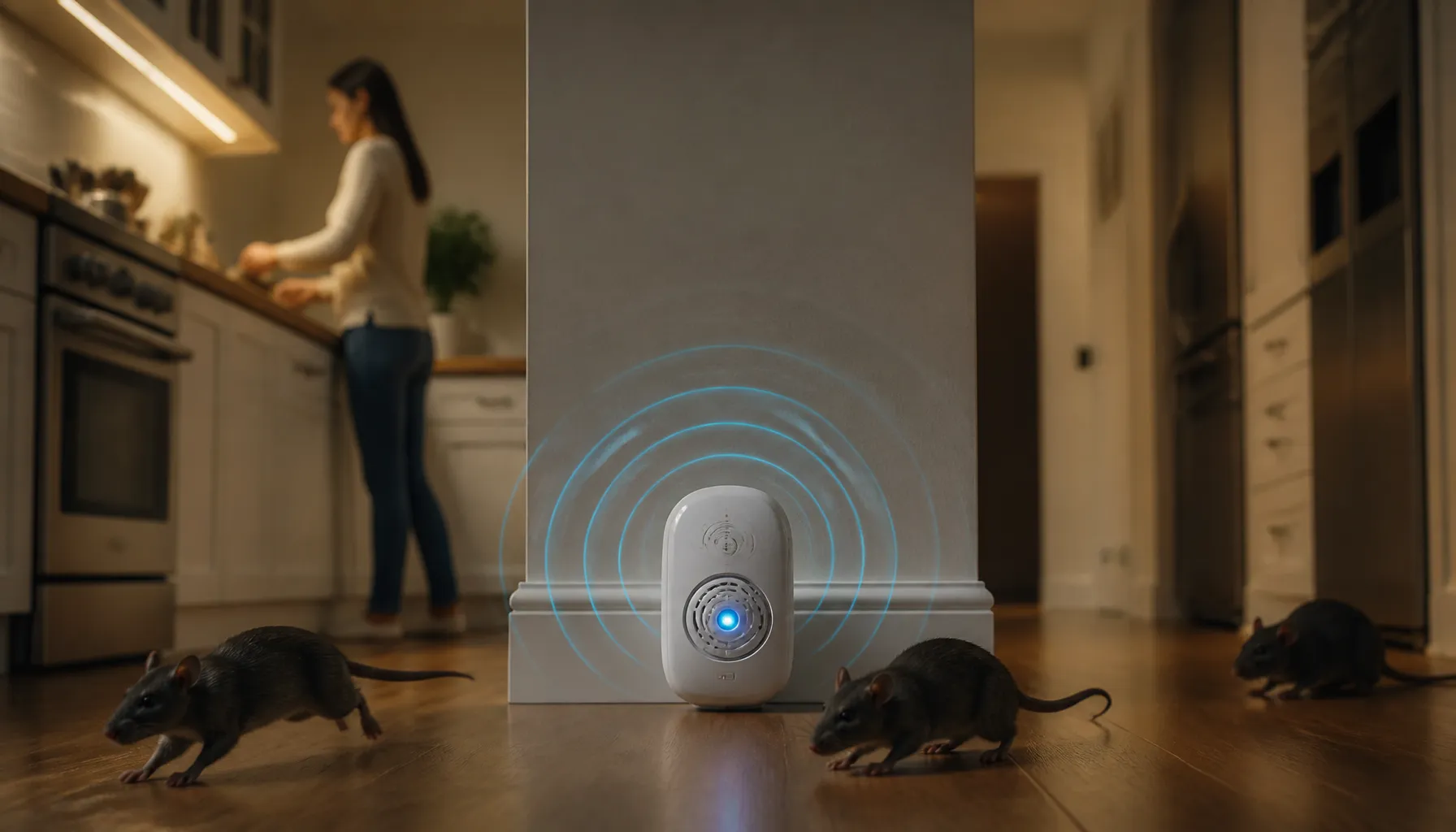
Top Ultrasonic Pest Repellers on the Market
When it comes to finding the best ultrasonic pest repellers, it's essential to understand their varied effectiveness. Ultrasonic pest repellers operate by emitting high-frequency sound waves, typically within the range of 20 kHz to 65 kHz, that are unpleasant to pests like rodents and insects. However, studies show mixed results on their efficacy, with some users reporting reduced pest activity and others noticing little to no difference.
Several models on the market claim to cover extensive areas, some up to 1,200 square feet, making them appealing for larger spaces. When considering ultrasonic pest repeller reviews, it's crucial to compare features such as coverage area, frequency range, and any additional functionalities.
Popular models often include features like adjustable frequency settings, which can be tailored to target specific pests more effectively. Additionally, these devices are generally considered safe for humans and pets, as the sound waves are inaudible to them.
For those seeking an eco-friendly alternative to chemical pest control, ultrasonic pest repellers offer a non-toxic option. However, it's advisable to read customer feedback and reviews to set realistic expectations, as results can vary significantly depending on the pest type and environmental conditions.
Longevity and Maintenance of Ultrasonic Pest Repellers
The longevity of ultrasonic pest repellers can vary significantly depending on the brand and model, but most devices are designed to last between 3 to 5 years. It's critical to follow the manufacturer's guidelines for maintenance to ensure optimal functionality. Regular cleaning of the device can prevent dust accumulation, which may interfere with its performance.
Maintenance is typically straightforward, involving a simple wipe-down and occasional testing to ensure the device is operating correctly. It’s important to note that these devices are often marketed with claims of covering areas up to 1,200 square feet, but their effectiveness can be mixed. Studies show varied results, indicating that while some users report success, others see no significant pest reduction.
The frequency range of these devices, usually between 20 kHz and 65 kHz, is considered safe for humans and pets, adding to their appeal as a non-toxic solution. However, understanding how long do ultrasonic pest repellers last and maintaining them properly can help maximize their potential benefits.
Comparing Ultrasonic Pest Repellers
When it comes to ultrasonic pest control devices, the market offers a variety of options. These devices are touted as safe and non-toxic solutions, operating at frequencies between 20 kHz and 65 kHz, which are generally undetectable by humans and pets. However, studies have shown mixed results regarding their effectiveness, leaving consumers wondering about their true efficacy. Below is a comparison of several popular ultrasonic pest repellers:
| Feature | Model A | Model B | Model C |
|---|---|---|---|
| Coverage Area | Up to 1,200 sq ft | Up to 1,000 sq ft | Up to 800 sq ft |
| Frequency Range | 20 kHz - 65 kHz | 22 kHz - 60 kHz | 25 kHz - 50 kHz |
| Price Range | ₹2,000 - ₹2,500 | ₹1,500 - ₹2,000 | ₹1,000 - ₹1,500 |
| User Feedback | Mixed | Mostly Positive | Mixed |
For more information on effective pest management strategies, check out our Frequently Asked Questions About Pest Control Services in Bangalore.
Frequently Asked Questions
Do ultrasonic pest repellers really work? Ultrasonic pest repellers can be effective for some pests, but their success varies. Studies show mixed results, indicating they may not work for all pest types. While some users find them successful in deterring rodents and insects, others do not notice significant differences.Are ultrasonic pest repellers safe for pets? Yes, ultrasonic pest repellers are generally safe for pets and humans. They emit sound waves at frequencies that are typically inaudible to pets and people, ensuring no disturbance or harm.
What pests do ultrasonic repellers work on? Ultrasonic repellers are designed to target rodents and insects, but their effectiveness can vary. Some users report success with specific pests, such as mice and certain insects, while others do not experience the same level of efficacy.
How long do ultrasonic pest repellers last? Most ultrasonic pest repellers are designed to last several years. However, like any electronic device, their effectiveness may diminish over time, making regular replacement or maintenance necessary to ensure optimal performance.
Can ultrasonic pest repellers harm humans? Ultrasonic pest repellers are generally considered safe for humans. They operate at frequencies above the human hearing range, typically between 20 kHz and 65 kHz, posing no known health risks. This ensures that while they are active in deterring pests, they remain harmless to people.