
Bangalore’s mix of rain and warmth keeps mosquitoes active almost all year, and once they settle into a home, sprays and coils alone rarely solve the problem. If you’re scrolling through options at the store or online, wondering which repellent for mosquito protection actually holds up, you’re not alone. Most families try two or three products before finding one that works consistently, and by then, they’ve already been bitten dozens of times.
This guide skips the guesswork. We tested and researched the mosquito repellent options that Bangalore households actually rely on, from DEET-based sprays to plant oil formulas, so you know exactly what to buy for your specific situation, whether that’s a baby’s room, an outdoor terrace, or a mosquito-heavy apartment near a lake or park.
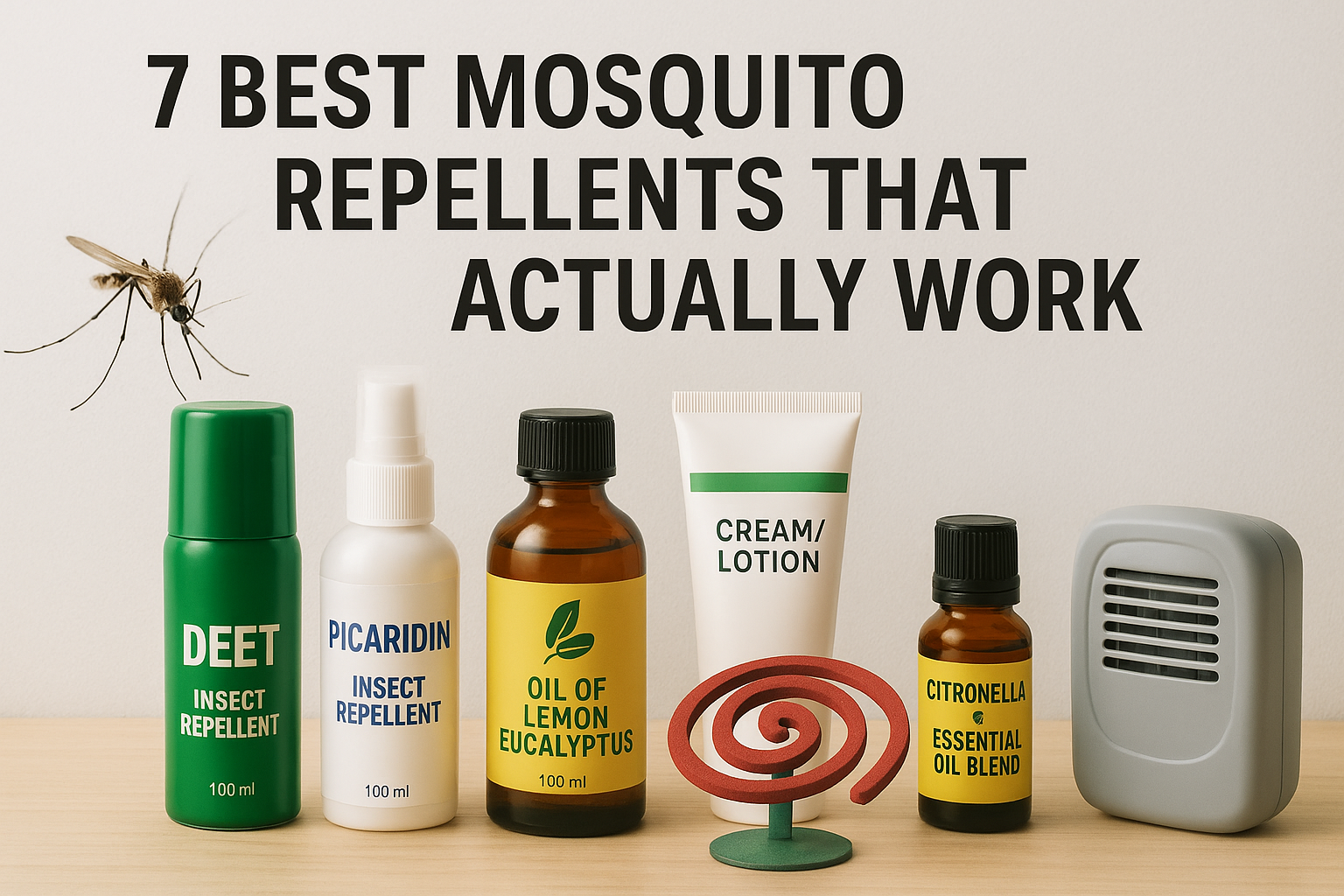
Below, you’ll find seven repellents that deliver real results, along with honest notes on where each one works best and where it falls short. As pest control professionals who’ve treated thousands of Bangalore homes since 1993, we’ve seen which products genuinely reduce bites and which ones just smell nice. If your mosquito problem keeps returning despite using repellents, that usually points to an active breeding site nearby, something worth addressing alongside whatever product you choose here, and our guide on getting rid of mosquitoes inside your house walks through it.
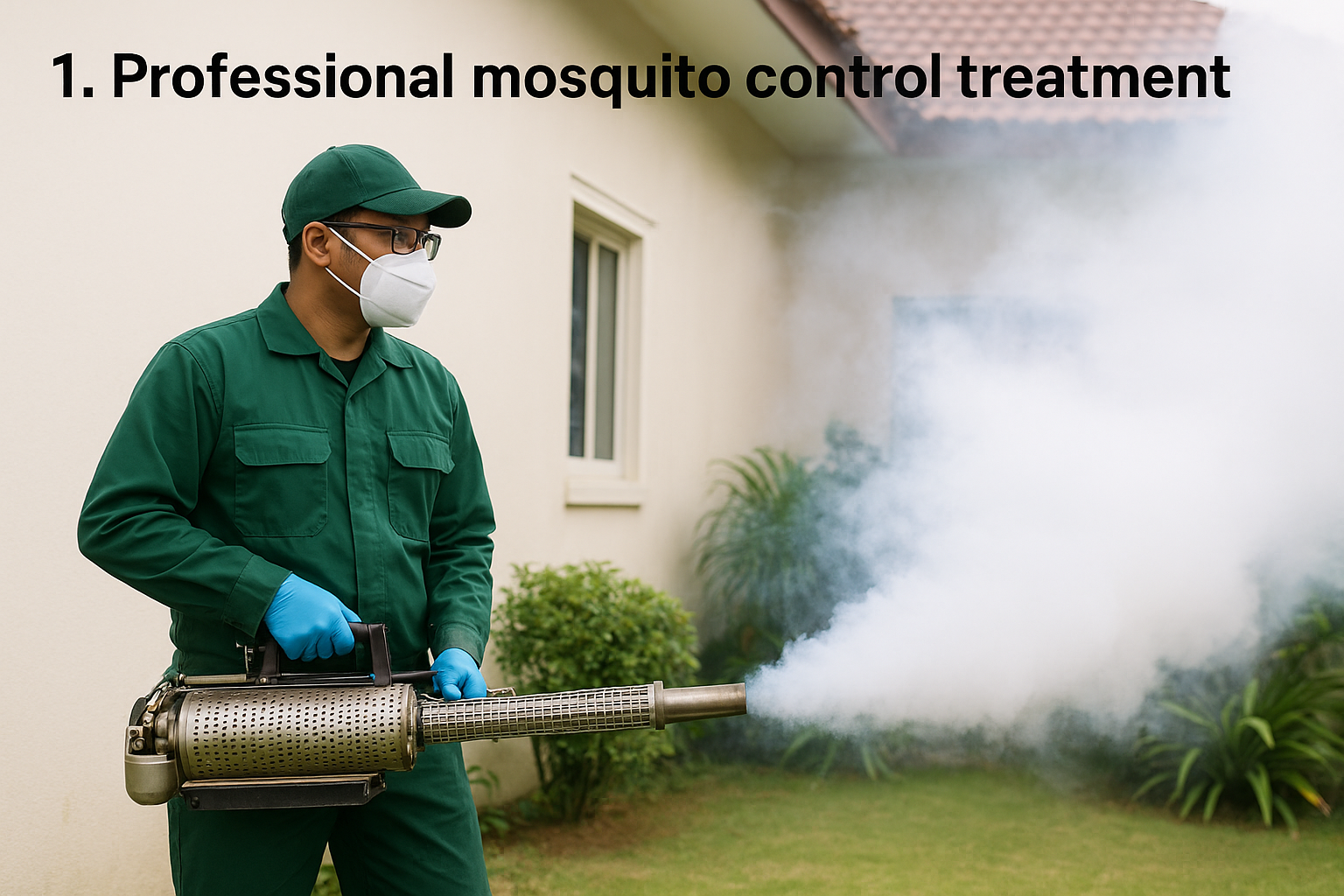
1. Professional mosquito control treatment
Before you reach for a spray or lotion, understand that no personal repellent for mosquito protection can fix a home with an active breeding problem nearby. A professional treatment tackles the source, not just the symptom, which is why we list it first even though it’s not something you apply to your own skin.
How it works
Technicians start with an inspection to locate breeding sites, standing water, drains, plant saucers, and gaps where adult mosquitoes rest during the day, the same conditions behind why mosquito swarms suddenly appear in Bangalore. Treatment usually combines residual spraying on walls and resting surfaces with fogging that knocks down the existing adult population, plus larvicide treatment for any water sources that can’t be removed. Unlike a can of spray that lasts a few hours, this approach breaks the breeding cycle, so fewer mosquitoes hatch in the first place. Our own mosquito control service in Bangalore follows this exact sequence, and most homes see a noticeable drop in mosquito activity within a week.
A room full of repellent spray can’t outwork a breeding site twenty feet from your window.
Who it’s best for
Families dealing with mosquitoes despite regular use of sprays or coils are the best candidates, since that pattern usually signals a nearby breeding source rather than a repellent problem. This service also suits homes near lakes, parks, or construction sites, apartment complexes with shared terraces or basements, and anyone managing a household with infants, elderly parents, or family members prone to dengue or malaria. If your insect repellent for mosquitoes routine isn’t cutting bite numbers after two weeks, this is the next step.
Cost in India
| Property type | Typical price range (one visit) |
|---|---|
| 1-2 BHK apartment | ₹800 – ₹1,500 |
| Independent house / villa | ₹1,500 – ₹3,000 |
| Commercial space | Custom quote based on area |
Most providers, including us, offer quarterly or seasonal packages that work out cheaper per visit than one-off bookings, and these plans matter more during Bangalore’s monsoon months when breeding accelerates.
Safety precautions
Check that the company uses products approved for residential use and ask what chemicals go into the fogging and residual spray before booking, or look at herbal pest control options in Bangalore if odor and toxicity worry you. Ventilate treated rooms for the recommended window, keep children, pets, and pregnant family members out of the area during application, and cover food items, utensils, and drinking water beforehand. A reputable provider will explain all of this upfront without you having to ask twice.
2. Deet-based mosquito repellent sprays
DEET has been the benchmark mosquito killer repellent ingredient since the 1940s, and it still outperforms most newer alternatives when bite protection matters most. You’ll find it in brands like Odomos, Goodknight sprays, and imported options at pharmacies across Bangalore, usually in concentrations between 10% and 20%. For many households, this remains the default repellent for mosquito protection during monsoon season.
How it works
DEET doesn’t kill mosquitoes; it masks the scent cues, like carbon dioxide and body odor, that mosquitoes use to find human skin. Applied to exposed skin or clothing, a DEET-based spray creates a vapor barrier that confuses their sensors, so they simply fly past instead of landing. Higher concentrations don’t work better, they just work longer, with 20% DEET giving roughly 4-6 hours of protection compared to 2 hours from a 10% formula.
DEET doesn’t repel by scent alone, it blocks mosquitoes from detecting you at all.
Who it’s best for
Anyone heading outdoors during dawn or dusk, when mosquito activity peaks, benefits most from DEET. It suits trekkers, gardeners, evening walkers, and anyone visiting parks or lakesides around the city where breeding is harder to control.
Cost in India
Expect to pay ₹90-₹250 for a 50-100ml bottle, depending on brand and concentration. Larger family-size bottles run ₹300-₹450 and last several weeks with daily use.
Safety precautions
Avoid using DEET on infants under two months, and stick to concentrations below 10% for young children. Wash treated skin off before bedtime, don’t apply under clothing, and keep it away from eyes, mouth, and open cuts. India’s National Center for Vector Borne Diseases Control (NCVBDC), under the Ministry of Health & Family Welfare, lists mosquito repellent creams and liquids among the recommended personal protective measures against mosquito-borne disease.
3. Picaridin mosquito repellents
Picaridin is the alternative most dermatologists suggest when someone wants DEET-level protection without the greasy feel or plastic-melting side effects. It’s newer to Indian shelves than DEET but gaining ground fast in imported and premium repellent lines sold online and in city pharmacies. Many shoppers now look for picaridin specifically when they want a gentler repellent for mosquito protection.
How it works
Synthesized to mimic a compound found in pepper plants, picaridin works the same way DEET does, by blocking the receptors mosquitoes use to detect skin odor and breath. A 20% picaridin formula gives protection comparable to 20% DEET, often 6-8 hours per application, but without the strong smell or sticky residue. It’s odorless once dry, doesn’t stain fabric, and won’t damage synthetic clothing or plastic watch straps, which makes it a practical anti mosquito repellent for daily use rather than just outdoor trips.
Picaridin matches DEET’s protection without the smell, stickiness, or fabric damage.
Who it’s best for
Office-goers who need a repellent that won’t smell strong in closed meeting rooms, people with sensitive skin who react to DEET, and anyone who wears expensive watches or synthetic activewear regularly should switch to picaridin. It also suits parents applying repellent daily, since the lighter texture makes reapplication less of a chore for kids.
Cost in India
Picaridin products cost more than local DEET brands, typically ₹250-₹500 for a 75-100ml bottle, since most are imported or premium domestic lines. Stick sizes and roll-ons run slightly cheaper, around ₹150-₹300.
Safety precautions
Picaridin is considered safe for children above two months, though always check the label for age-specific concentration limits. Avoid spraying directly on the face; spray into your hands first, then apply, and wash off before sleeping.
4. Oil of lemon eucalyptus repellent
Oil of lemon eucalyptus, often shortened to OLE or sold under its refined form PMD, sits in an odd middle ground between synthetic repellents and plant oils. It’s the only plant-derived option the CDC rates as effective as low-concentration DEET, which explains why it shows up in "natural" repellent lines that still claim real bite protection rather than just a pleasant scent. It’s often recommended as a natural repellent for mosquito protection for households avoiding synthetic chemicals.
How it works
Extracted from the lemon eucalyptus tree and then concentrated into PMD, this oil of lemon eucalyptus repellent masks skin odor much like DEET and picaridin, though it breaks down faster in heat and sweat. A 30-40% PMD formula gives roughly 3-4 hours of protection, less than DEET at similar strength, but noticeably better than citronella or basic essential oil blends.
Oil of lemon eucalyptus is the one plant-based repellent backed by real testing, not just tradition.
Who it’s best for
This suits people who want a repellent mosquito option that leans natural without giving up meaningful protection, particularly parents wary of synthetic chemicals on younger kids over three years old. It also works well for short outdoor stints, evening walks, balcony dinners, weekend gardening, where you don’t need all-night coverage.
Cost in India
Expect ₹200-₹400 for a 100ml bottle from brands stocking OLE or PMD formulas, mostly available through online pharmacies and organic stores rather than every local shop.
Safety precautions
Skip this repellent for children under three, since safety data for younger kids is limited. Reapply more often than you would DEET, since protection fades faster, and avoid contact with eyes or broken skin during application.
5. Citronella and essential oil repellents
Citronella is the scent most people associate with mosquito protection, thanks to decades of candles and coils built around it, but as a standalone repellent mosquito option, it’s the weakest performer on this list. Lemongrass, eucalyptus, neem, and clove oil blends fall into the same category, pleasant to use but limited in how long they actually protect you.
How it works
These oils work by overwhelming a mosquito’s sense of smell rather than blocking its ability to detect you the way DEET or picaridin does. Citronella candles and diffusers create a scent cloud that pushes mosquitoes away from a general area, while oil blends applied to skin offer a similar, weaker masking effect.
Citronella clears a room of scent, but it rarely stops a determined mosquito from landing on skin.
Who it’s best for
This suits outdoor gatherings, terraces, and balconies where you want general deterrence rather than guaranteed bite prevention, plus anyone who dislikes synthetic sprays and doesn’t mind reapplying often. It’s not the right pick if you’re near a breeding site or heading into peak dusk hours outdoors.
Cost in India
Citronella candles run ₹150-₹400 depending on size, while oil blends and diffuser refills cost ₹100-₹300 per bottle. Combo packs with multiple essential oils sit around ₹350-₹600.
Safety precautions
Essential oils can irritate sensitive skin, so patch test before full application, especially on children. Keep diffusers away from open flames, ventilate closed rooms, and don’t rely on this alone if someone in the house has a history of mosquito-borne illness.
6. Mosquito repellent creams and lotions
Creams and lotions solve the one complaint every spray user eventually has, the sticky feel and sharp smell that lingers on skin for hours. Brands like Odomos cream, Volini Insect Repellent, and various herbal lotions package active ingredients into a base that absorbs quickly, making this a practical repellent for mosquito protection for daily wear rather than occasional trips outdoors.
How it works
Most creams use low-concentration DEET or citronella-based actives suspended in a moisturizing base, so the repellent sits on skin longer without evaporating as fast as a spray. The lotion format also means more even coverage across arms and legs, since you’re rubbing it in rather than misting and hoping it lands where mosquitoes bite most.
A cream spreads evenly where a spray leaves gaps, and gaps are exactly where mosquitoes bite.
Who it’s best for
Parents applying repellent to young kids before school or play, and anyone who dislikes the smell and stickiness of sprays, gets the most value here. Office workers who need something under long sleeves without staining fabric also prefer this format over sprays or oils.
Cost in India
A standard 50g tube runs ₹40-₹90, making this the cheapest option on the list per application. Larger family packs or premium herbal versions cost ₹120-₹250.
Safety precautions
Check the DEET percentage before buying for children, since cream formulas vary widely between 5% and 15%. Wash hands after applying, avoid the face and eyes, and don’t layer cream under sunscreen without checking for skin reactions first.
7. Mosquito nets, screens and vaporizers
Bed nets, window screens, and plug-in vaporizers round out this list because they work on physical barriers or slow-release chemicals rather than skin application, making them the last line of defense once you’ve handled the rest. This category also covers electric vaporizers and liquid refills, the ones plugged into every second bedroom in Bangalore, which release a low dose of repellent into the air overnight.

How it works
Nets and screens simply block mosquitoes from reaching you while you sleep, no chemicals involved, just mesh fine enough to stop them physically. Vaporizers heat a chemical-treated mat or liquid refill, usually a synthetic pyrethroid, releasing it slowly into a closed room’s air over 6-8 hours. This makes vaporizers less of a repellent for mosquito protection and more of a slow-acting mosquito killer repellent, since the goal is knocking down mosquitoes already inside the room rather than masking your scent.
A net keeps every mosquito out for free; a vaporizer only works on the ones already in the room.
Who it’s best for
Households with infants sleeping through the night need nets over cribs, since skin-applied repellents aren’t suitable for very young babies. Anyone in an older building with gaps around windows benefits from screens as a one-time fix, and vaporizers suit closed bedrooms where you want protection without applying anything to skin.
Cost in India
Bed nets cost ₹250-₹800 depending on size and mesh quality, window screens run ₹150-₹300 per square foot installed, and vaporizer units with a starter refill cost ₹80-₹150, with monthly refills around ₹60-₹100.
Safety precautions
Ventilate rooms using vaporizers, since prolonged exposure in sealed spaces isn’t ideal for infants or people with asthma. Check nets regularly for tears, and never run a vaporizer through the night in a room with a newborn without airflow.

Frequently asked questions
Which repellent for mosquito protection works best in Bangalore’s climate?
DEET-based sprays at 15-20% concentration give the most reliable protection for Bangalore’s year-round mosquito activity, especially during monsoon months when breeding accelerates. Picaridin is a close second if you want similar protection without the smell or stickiness.
Can I use mosquito repellent every day without side effects?
Daily use is generally safe with DEET or picaridin at recommended concentrations, as long as you wash treated skin before bed and avoid broken skin or eyes. Creams and lotions are the easiest format for daily wear since they absorb quickly and don’t feel sticky.
Is natural mosquito repellent as effective as DEET?
Oil of lemon eucalyptus is the only plant-based repellent the CDC rates close to low-concentration DEET, giving roughly 3-4 hours of protection. Citronella and other essential oil blends offer general deterrence but won’t reliably stop bites the way DEET or picaridin do.
What repellent is safe for babies and young children?
Avoid skin-applied repellents on infants under two months; use a net over the crib instead. For children over two months, picaridin or low-concentration DEET (below 10%) are considered safe, and oil of lemon eucalyptus is fine from age three onward.
Why do I keep getting bitten even after using repellent?
Persistent bites despite consistent repellent use usually mean there’s an active breeding site nearby that no personal repellent can fix. A professional inspection identifies standing water and resting spots and treats the source directly.
Staying mosquito-bite free
No single repellent for mosquito protection covers every situation in your home. A DEET spray works great on a trekking trip, a cream suits daily wear for kids, and a net does the job overnight, but if bites keep coming back despite trying all seven, the problem usually isn’t your repellent. It’s a breeding site you haven’t found yet.
Start with the option that matches your immediate need, whether that’s picaridin for the office or a net for the nursery, and layer in a professional inspection if bites persist past two weeks of consistent use. Bangalore’s climate keeps mosquitoes breeding year-round, so treating the source matters as much as anything you apply to skin. If sprays and lotions aren’t cutting it anymore, book a mosquito control inspection and let someone find what’s actually keeping them around.