

Bengaluru’s mix of old trees, construction dust, and humid pockets near lakes gives pests exactly what they need to thrive year round. If you’re searching for pest control in Bengaluru, chances are you’ve already spotted termite mud tubes near a windowsill, found a cockroach in the kitchen at night, or heard scratching in the ceiling. That’s not a coincidence in this city, it’s a pattern every local technician recognizes.
This article breaks down exactly what pest control in Bengaluru covers, from termite and bed bug treatment to rodent, mosquito, and ant management, so you know what to expect before a technician steps into your home. It also answers the practical question behind your search: how do you actually hire the right company for pest control in Bengaluru, not just any name that shows up first online.
We’ll walk through the common pest problems specific to Bengaluru’s climate and housing types, the treatment methods worth asking about, and the red flags that separate experienced operators from fly-by-night services. By the end, you’ll know what questions to ask, what a fair quote looks like, and how a company like A to Z Pest Solutions, working in this city since 1993, approaches long-term protection rather than a one-time spray.
Why pest control matters in Bengaluru’s climate
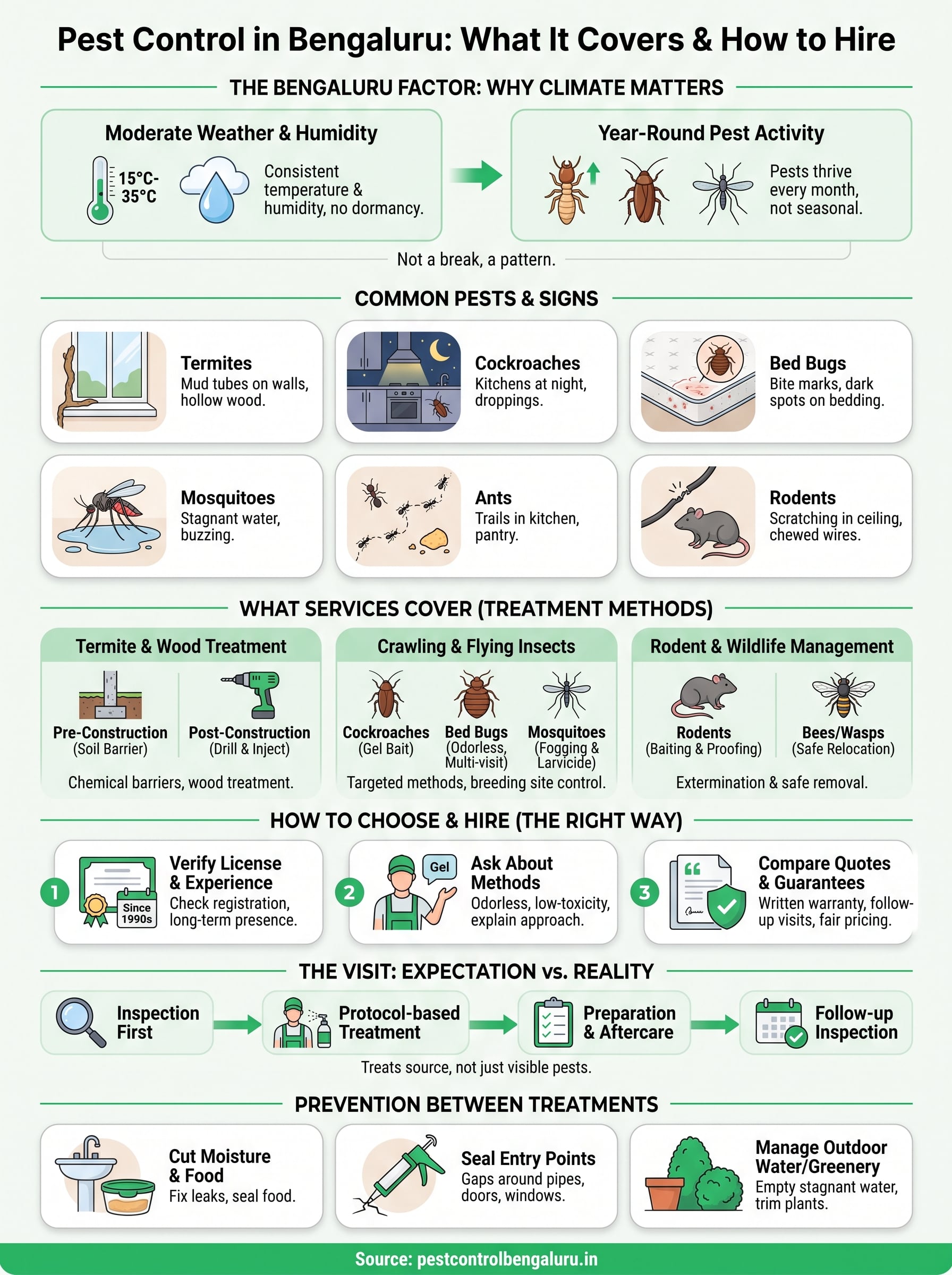
Bengaluru doesn’t get the brutal summers or heavy monsoons that punish most of India, and that’s exactly the problem. Moderate temperatures between 15°C and 35°C, spread across almost the entire year, never force pests into dormancy the way a harsh winter would elsewhere. Add in the city’s patchwork of old bungalows, new apartment towers, and half-finished construction sites, and you get a landscape where termites, cockroaches, and mosquitoes have steady access to food, moisture, and shelter every single month. That’s why pest control in Bengaluru isn’t a seasonal chore, it’s a year-round necessity for most households.
Bengaluru’s mild weather keeps pests active all year
Unlike cities that get a hard freeze or a scorching dry season, Bengaluru’s consistent humidity rarely drops low enough to slow insect breeding cycles. Cockroaches and ants keep reproducing through what would normally be an off-season elsewhere, and termite colonies underground continue expanding without the seasonal pause you’d see in drier regions. Local weather data from the India Meteorological Department consistently shows Bengaluru holding steadier humidity than most South Indian cities, which directly extends breeding windows for household pests.
A pest problem in Bengaluru rarely takes a break, so your prevention plan shouldn’t either.
Lakes, greenery, and construction sites add fuel
Hardly any Bengaluru neighborhood sits far from a lake, a stormwater drain, or a patch of overgrown vegetation, and each one doubles as a mosquito breeding ground during and after the monsoon months. Stagnant water collects in construction debris, discarded tires, and blocked drains across half-built plots that sit vacant for months, sometimes years. Meanwhile, the city’s older tree cover and wooden building elements, especially in areas like Malleswaram, Basavanagunudi, and Jayanagar, give subterranean termites a direct path from soil to structural timber. New apartment complexes built on former agricultural land inherit soil that’s often already carrying termite colonies, which is why pre-construction treatment matters so much here.

Dense housing lets infestations travel fast
Apartment living, now the default for a huge share of Bengaluru residents, changes how pests spread. A bed bug infestation in one unit can migrate through shared walls, elevator shafts, and common corridors before anyone else in the building notices a bite mark. Rodents follow the same shared pipework and false ceilings that connect multiple flats, which means one unit’s rat problem quickly becomes a building-wide one. This density is exactly why gated communities and residential associations increasingly schedule common-area pest treatments rather than leaving each household to fend for itself.
| Season | Common pests | Why it happens |
|---|---|---|
| Pre-monsoon (Mar-May) | Ants, termites | Rising humidity triggers foraging and swarming |
| Monsoon (Jun-Sep) | Mosquitoes, cockroaches | Stagnant water and damp corners multiply breeding sites |
| Post-monsoon (Oct-Nov) | Rodents, bed bugs | Pests seek warm, dry indoor shelter |
| Winter (Dec-Feb) | Cockroaches, ants | Mild temperatures keep activity steady, no true dormancy |
Given this pattern, waiting until you spot visible damage almost always costs more than acting early. Termite colonies, for instance, can chew through structural wood for months before any surface sign appears, and by then the repair bill often dwarfs what a preventive soil treatment would have cost. Understanding this climate-driven pest calendar is the first step toward choosing the right service and the right timing, which we’ll cover next.
What pest control services cover in Bengaluru
When you hire pest control in Bengaluru, you’re not just booking a single spray. A proper service maps out which pests are active in your specific property, chooses a treatment method suited to that pest’s biology, and often includes a follow-up visit to confirm the problem is actually gone. Reputable operators like A to Z Pest Solutions build this into a structured program rather than a one-off visit, because most infestations need more than one intervention to fully break the breeding cycle.
Termite and wood-destroying pest treatment
Termite work in Bengaluru splits into pre-construction and post-construction treatment, and the two aren’t interchangeable. Pre-construction treatment involves soil treatment before the foundation is poured, creating a chemical barrier that stops subterranean termites from ever reaching the structure. Post-construction treatment, needed once termites are already active, usually means drilling small holes along the foundation line and injecting termiticide directly into the soil, followed by wood treatment for furniture and fittings.
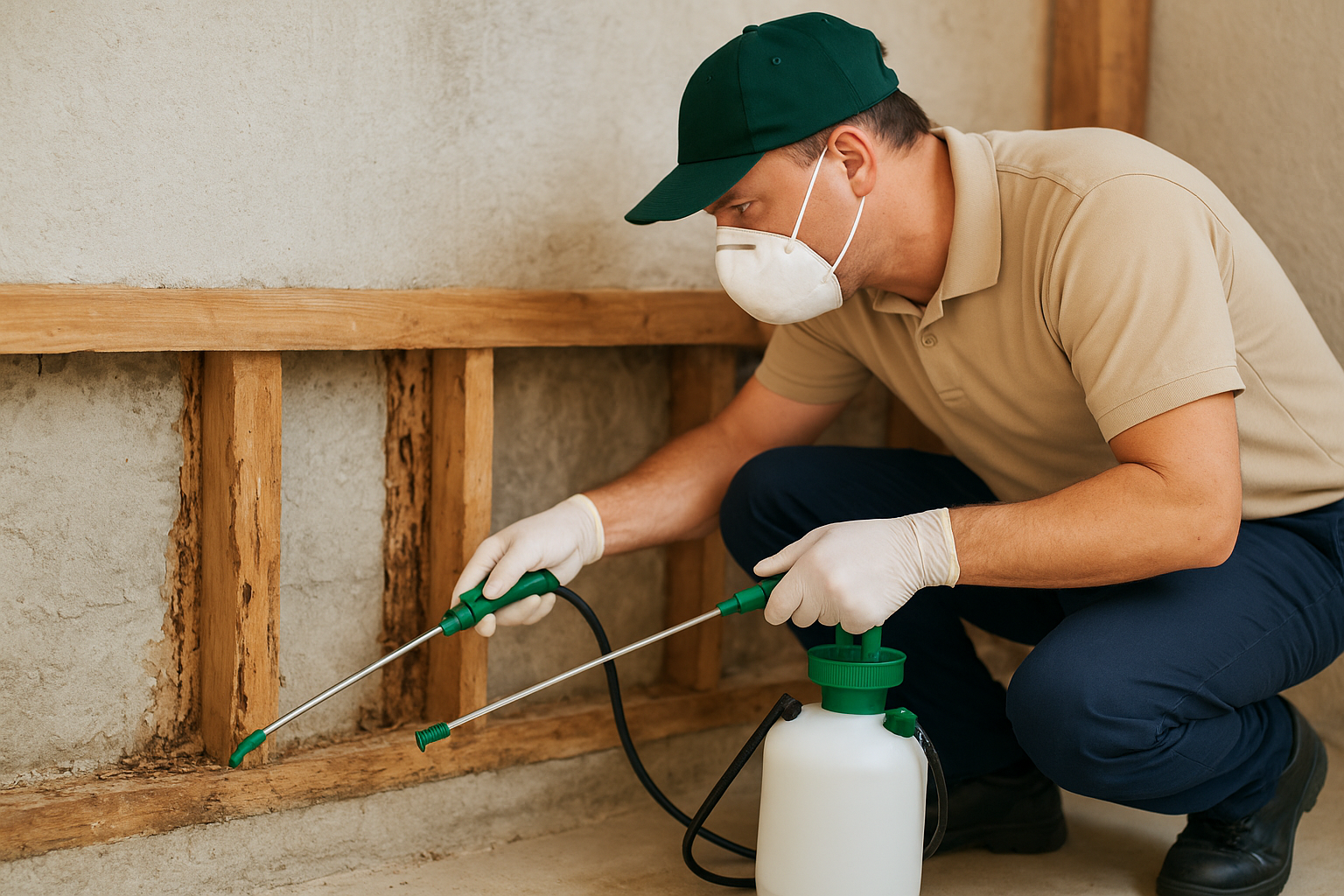
The earlier termite treatment happens, the cheaper and less invasive it gets.
Crawling and flying insect control
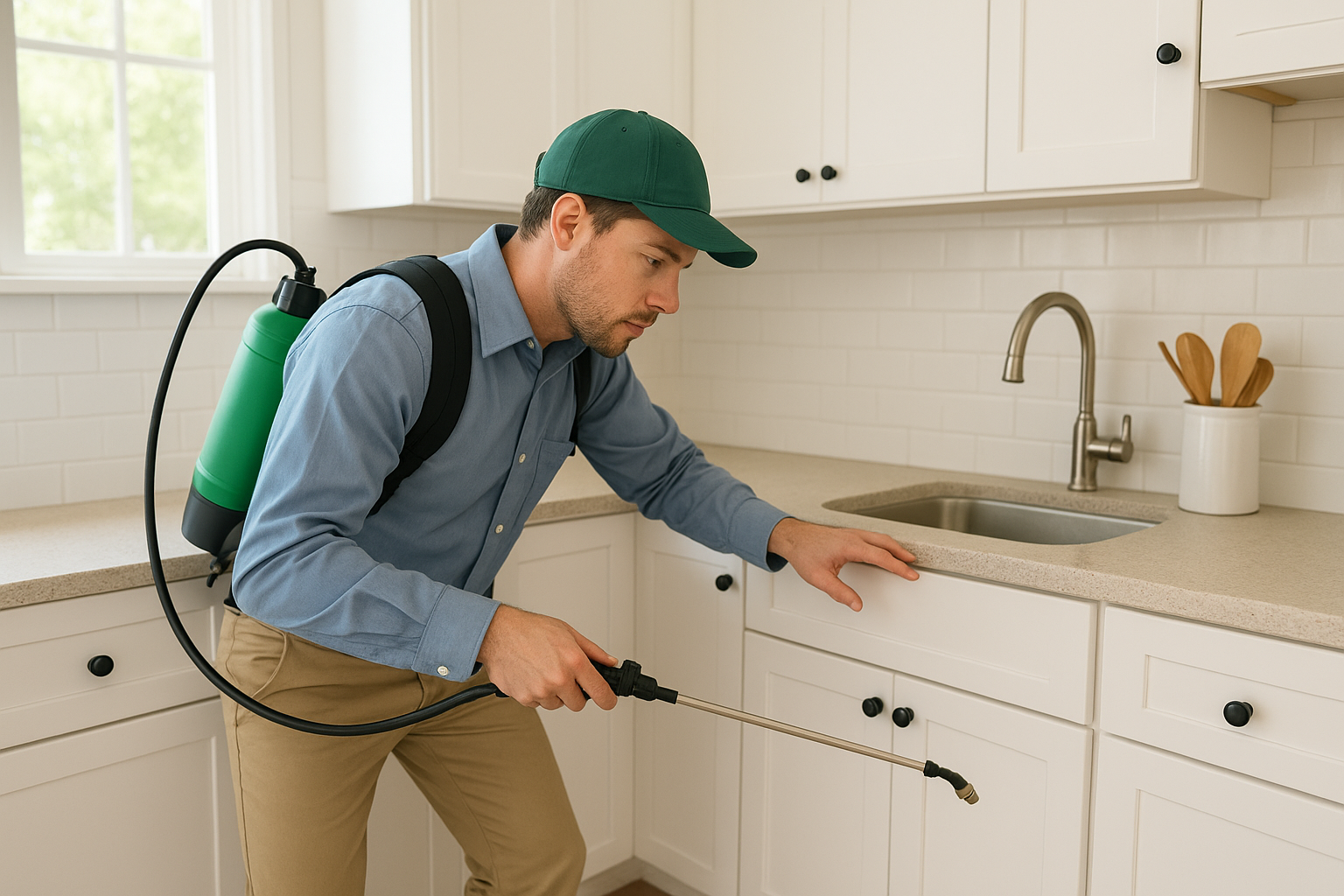
Bed bugs, cockroaches, ants, mosquitoes, and ticks or fleas each need a different approach, and lumping them into one generic spray rarely works long term. A cockroach treatment, for example, typically relies on gel baiting placed in cracks and behind appliances rather than a visible spray, since baiting targets the nest, not just the roaches you see. Mosquito control usually combines fogging with breeding-site identification, because killing adult mosquitoes without draining stagnant water just invites the next batch.
Rodent and wildlife management
Rodent control covers rat and mouse extermination through baiting systems, along with proofing recommendations that seal the entry points rodents use to get in. Honey bee and wasp removal is its own category entirely, requiring safe relocation techniques rather than extermination, since bee colonies are often relocated rather than killed.
| Pest type | Primary treatment method | Typical follow-up |
|---|---|---|
| Termites | Soil and wood treatment | Annual inspection |
| Bed bugs | Odorless chemical treatment | Re-inspection after 2-3 weeks |
| Cockroaches | Gel baiting | Quarterly touch-up |
| Rodents | Baiting and proofing | Ongoing monitoring |
| Mosquitoes | Fogging and residual spray | Seasonal repeat |
General pest control (GPC) packages bundle several of these into one recurring plan, usually billed monthly, quarterly, or annually, which is what most Bengaluru households end up choosing once they’ve dealt with a first infestation.
How to choose a pest control company in Bengaluru
Finding a reliable operator in a city with dozens of pest control listings takes more than a Google search and a phone call. Bengaluru’s pest control market ranges from single-technician outfits working out of a scooter to established companies with trained teams and documented treatment protocols, and the gap in quality between them shows up fast once pests return within weeks. Before you commit, spend ten minutes checking the basics that separate a company built for repeat business from one chasing a quick payment.
Verify licensing and industry experience
Any company handling termiticides or rodenticides in India should be able to show you proof of registration and staff trained in safe chemical handling. Longevity matters too. A company operating since the 1990s has survived changing regulations, product bans, and shifting pest patterns across Bengaluru’s neighborhoods, which a six-month-old startup simply hasn’t been tested against.
- Ask how long the company has served your specific area
- Request proof of technician training or certification
- Check whether they specialize in your pest problem or offer generic spraying only
Ask about treatment methods before booking
Questions about the actual chemicals, application method, and safety precautions tell you more than any sales pitch. Odorless, low-toxicity treatments designed for homes with children or pets should be standard, not an upsell. If a technician can’t explain why they’re using gel bait instead of spray for cockroaches, or soil injection instead of surface treatment for termites, that’s a sign they’re following a script rather than diagnosing your actual infestation.
Choose the company that explains its method, not just the one that quotes the lowest price.
Compare quotes and service guarantees
Lowball quotes almost always mean a shorter treatment, weaker chemical concentration, or no follow-up visit included. Reputable companies build a written warranty period into their pricing, typically covering re-treatment if pests return within a set window, and they’ll walk you through what’s included before asking for payment. Reviews from neighbors in your own apartment complex or gated community carry more weight here than star ratings alone, since they reflect how the company performs in buildings just like yours.
What to expect during a pest control visit
Walking into a pest control appointment without knowing the sequence often leads to unnecessary worry, especially if a technician starts moving furniture or drilling small holes near the foundation. A well-run pest control visit follows a predictable pattern, and knowing it in advance helps you prepare your home and ask the right questions along the way.
Inspection comes before any treatment
Every competent visit starts with a walkthrough, not a spray can. The technician checks kitchens, bathrooms, false ceilings, foundation lines, and any areas you’ve flagged as problem spots, looking for droppings, mud tubes, egg cases, or live activity. This step decides everything that follows, since a termite problem near a bathroom pipe needs a completely different approach than one along an exterior wall. Skip this step, and you’re just paying for a guess.
Treatment application follows a set protocol
Once the inspection identifies the pest and its entry points, the technician explains the plan before touching a single chemical. For cockroach or ant problems, expect gel baiting in cracks, behind appliances, and along skirting boards rather than a visible spray across your counters. For termites, expect small drill holes along the foundation or affected furniture, followed by termiticide injection and resealing. Bed bug treatment usually means dismantling bed frames, treating mattress seams, and checking nearby furniture, since bugs hide in seams most people never check.
A good technician treats the source of the infestation, not just the spot where you happen to see pests.
Preparation and aftercare instructions matter
Before the visit, you’ll typically get a short checklist to follow so the treatment actually works.
- Clear kitchen counters and cabinets of food items
- Move small furniture away from walls if requested
- Keep children and pets away from treated areas for the specified drying time
- Avoid mopping treated surfaces for at least 24 to 48 hours
- Note down any pest activity you notice in the days after treatment
After application, most companies schedule a follow-up inspection within two to three weeks, particularly for bed bugs and termites, to confirm the treatment worked and catch any pests that survived the first round. If you’re not offered this follow-up as part of the original quote, ask why, since a single visit rarely finishes the job for anything beyond a minor ant trail.
How much pest control costs in Bengaluru
Pricing for pest control in Bengaluru varies more than most first-time customers expect, and the reason usually comes down to property size, pest type, and how many visits the job actually needs. A single cockroach gel treatment in a one-bedroom flat costs far less than a full termite soil treatment for an independent house, so any quote you get should reflect your specific situation, not a flat citywide rate. Treat any company that quotes a price over the phone without seeing your property with some suspicion, since a proper estimate needs an inspection first.
What drives the price up or down
Square footage matters most, followed by infestation severity and the number of follow-up visits included in the package. A ground-floor unit near a garden or stormwater drain often needs more aggressive mosquito and termite work than a tenth-floor apartment, which shows up in the final number. Chemical quality also plays a role, since odorless, low-toxicity products typically cost more per application than older, harsher alternatives, but they’re worth the difference in homes with kids or pets.
Typical price ranges by service
These figures give you a rough starting point, though your actual quote depends on the inspection findings.
| Service | Typical price range (INR) | Frequency |
|---|---|---|
| General pest control (GPC) | 1,500 – 3,500 per visit | Quarterly |
| Cockroach treatment | 1,000 – 2,500 | One-time or quarterly |
| Termite treatment (post-construction) | 8,000 – 25,000+ | One-time, with annual inspection |
| Bed bug treatment | 3,000 – 8,000 | One-time, follow-up included |
| Rodent control | 1,500 – 4,000 | Monthly or as needed |
| Mosquito fogging | 1,000 – 3,000 | Seasonal |
Why the cheapest quote often costs more later
Skipping a follow-up visit or diluting chemical concentration keeps the upfront number low, but pests usually return within weeks, and you end up paying for a second full treatment anyway.
The lowest quote rarely saves money once you factor in the repeat visit it forces later.
Ask every company for a written breakdown of what’s included, how many visits the price covers, and whether a warranty period applies if pests come back. That single question separates a fair price from a false bargain faster than anything else you can check.
Simple ways to prevent pests between treatments
Professional treatment sets the foundation, but what you do between visits decides how long that work actually lasts. Most pest problems in Bengaluru homes come back not because the treatment failed, but because moisture, food scraps, or a gap in the wall gave pests a new way in. A few consistent habits stretch the life of any pest control in Bengaluru service well past the standard follow-up window.
Cut off moisture and food sources indoors
Kitchens and bathrooms stay the top offenders here, since a dripping tap or a damp cabinet under the sink gives cockroaches and ants exactly what they need to keep breeding. Wipe counters after cooking, store grains and sugar in sealed containers, and fix leaking pipes as soon as you notice them rather than waiting for the next maintenance visit. Empty trash bins nightly instead of letting them sit near the kitchen entrance, since that’s often the first spot a technician checks during a follow-up inspection.
Dry, clean, and sealed beats any spray for keeping pests from coming back.
Seal entry points around the property
Termites and rodents both rely on small, overlooked gaps, cracks near door frames, unsealed gaps around pipes, or the space beneath a poorly fitted window. Walk the perimeter of your home every few months and seal anything you find with silicone caulk or steel wool for larger gaps, since rodents chew through most soft materials. Check false ceilings too, especially in apartments, because shared ductwork gives pests a direct route between units.
Manage water and greenery outside
Standing water anywhere on the property, in a flowerpot tray, a blocked drain, or discarded construction debris, turns into a mosquito breeding site within a week during Bengaluru’s humid months. Trim overgrown plants away from exterior walls, since dense greenery touching the building gives termites and ants a direct bridge to timber and window frames.
- Empty and scrub flowerpot trays weekly
- Clear gutters and drains before the monsoon season
- Store firewood and cardboard away from exterior walls
- Trim tree branches that touch the roofline
- Check under sinks monthly for hidden leaks
Keep a simple pest log at home
Note down any pest sighting, its location, and the date, even something as minor as a single ant trail. This log helps your technician spot patterns during the next scheduled visit and catch a developing infestation before it spreads through the building.
FAQs about pest control in Bengaluru
How much does pest control in Bengaluru cost?
Most general pest control visits run ₹1,500-₹3,500, cockroach treatment ₹1,000-₹2,500, and termite treatment ₹8,000-₹25,000 or more, depending on property size and infestation severity. A company that quotes a fixed price without inspecting your property first is worth double-checking, since the real number depends on what the technician finds.
How do I find a reliable company for pest control in Bengaluru?
Check how long the company has operated in the city, whether it inspects before quoting, and whether it offers a written warranty covering re-treatment if pests return. Longevity matters here: an operator that has served Bengaluru since the 1990s, like A to Z Pest Solutions, has already adapted to the city’s shifting pest patterns and regulations in a way a newer entrant hasn’t been tested against.
Is pest control in Bengaluru needed year-round, or only during monsoon?
Year-round. Bengaluru’s mild climate never forces pests into full dormancy the way a harsh winter would elsewhere, so termites, cockroaches, and ants stay active in every season, even if monsoon months bring a spike in mosquitoes and cockroaches specifically.
Are pest control treatments in Bengaluru safe for children and pets?
Reputable providers use odorless, low-toxicity treatments designed to be safe around families and pets, and they should walk you through the safety window before you need to let kids or pets back into a treated area. Ask specifically which chemicals are used if this isn’t volunteered upfront.
How often should I schedule pest control in Bengaluru?
A quarterly general pest control visit or an annual maintenance contract usually keeps cockroaches, ants, and mosquitoes under control across most Bengaluru homes. Termite-prone properties benefit from an annual inspection even without visible activity, since damage typically starts before it becomes noticeable.
Keeping your home pest-free going forward
Pest control in Bengaluru isn’t a one-time fix you book and forget. The city’s mild climate keeps termites, cockroaches, mosquitoes, and rodents active all year, so lasting protection comes from regular treatment cycles combined with the daily habits covered above, sealing gaps, clearing standing water, and keeping kitchens dry. Choose a company that inspects before quoting, explains its treatment methods clearly, and backs its work with a written warranty period, and you’ll avoid the repeat calls that come from cutting corners upfront.
If you’ve spotted mud tubes near a windowsill, bite marks after a good night’s sleep, or droppings behind the fridge, don’t wait for the problem to spread through your building. A to Z Pest Solutions has handled these exact patterns across Bengaluru since 1993, with odorless, family-safe treatments for every pest covered here. Book a pest inspection with A to Z Pest Solutions and get a straight answer on what your home actually needs.