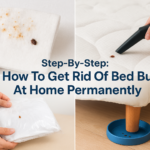

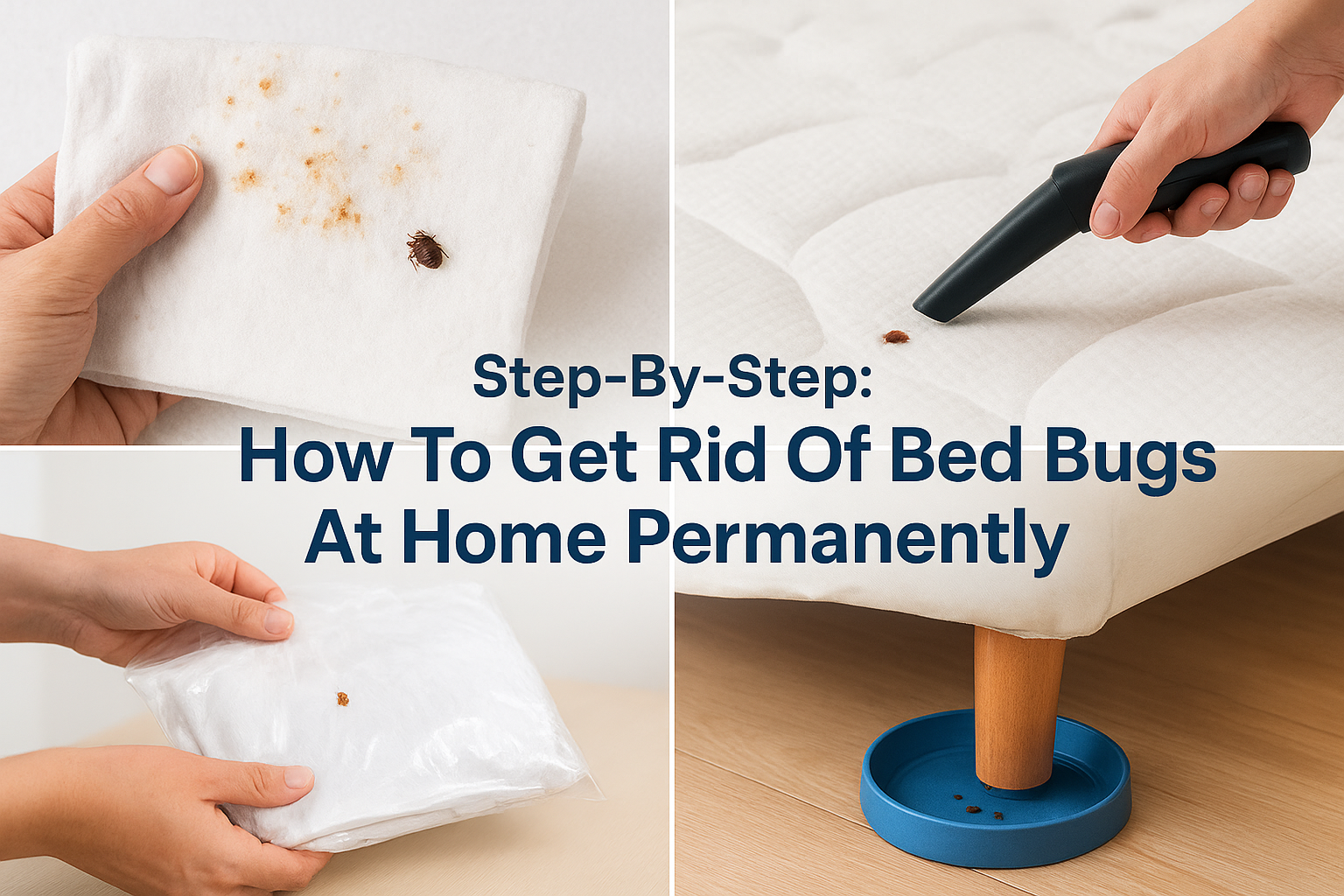
You wake up with itchy red welts on your arms, pull back the bedsheet, and spot tiny rust-colored stains. That sinking feeling hits fast, you’ve got bed bugs. If you’re searching for how to get rid of bed bugs at home, you’re not alone. Bed bug complaints across Bangalore have risen steadily over the past few years, and these pests don’t discriminate between a studio apartment and a sprawling villa.
The good news is that early-stage infestations can often be managed with the right combination of cleaning, heat treatment, and targeted products you can apply yourself. The bad news? Bed bugs are stubborn. They hide in mattress seams, behind headboards, inside electrical outlets, anywhere they can stay close to a blood meal. Skipping a single step usually means they bounce right back within weeks.
In this guide, we’ll walk you through a clear, practical process to eliminate bed bugs from your home, from identifying the infestation and prepping your space to treatment methods that actually work and prevention steps that keep them gone. Every recommendation here comes from what we’ve learned across 32+ years of hands-on pest control work at A to Z Pest Solutions. We’ll also be upfront about when a DIY approach is enough and when it’s time to call in a professional team for a thorough, lasting solution.
Before you start: confirm bed bugs and plan
Rushing into treatment without confirming the pest is one of the most common mistakes homeowners make. Misidentifying a spider bite or flea rash as bed bugs leads to wasted time, unnecessary chemicals, and the actual infestation growing unchecked. Before you learn how to get rid of bed bugs at home, you need to know exactly what you’re dealing with and where the problem is concentrated.
Spot the signs of a real infestation
Bed bugs leave behind specific, identifiable evidence that separates them from other pests. Check your mattress seams, bed frame joints, headboard cracks, and nearby furniture. Look for these signs:
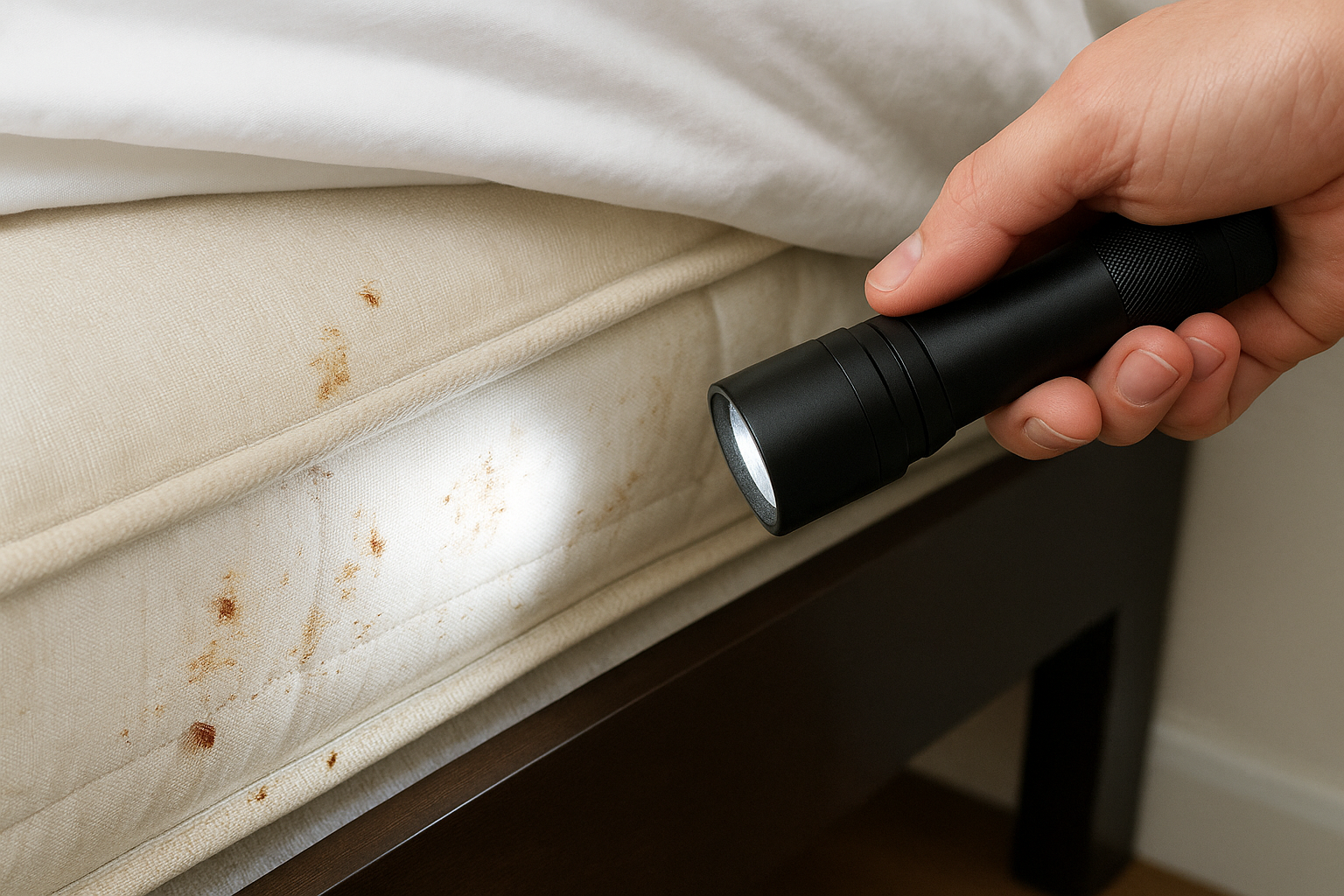
- Rust-colored or dark brown stains on mattress fabric or bedding (digested blood from their droppings)
- Tiny white eggs or shed skins in mattress seams or along baseboards
- Live bugs (apple-seed sized, flat, reddish-brown) in seams, corners, or behind wall outlets
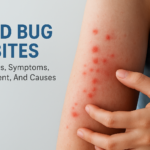
- Clusters of itchy, red welts on your skin that appear overnight, often in a line or zigzag pattern
Finding even one live bug or a cluster of stains confirms an active infestation and means you need to act right away, not next weekend.
Build your inspection map before you treat
Once you confirm bed bugs, map every area where you’ve found evidence before you touch anything. Use a flashlight and a stiff card to probe seams and corners. Check the following locations systematically:
| Location | What to look for |
|---|---|
| Mattress seams and tags | Stains, shed skins, live bugs |
| Box spring and bed frame | Eggs, dark spots |
| Headboard and wall joints | Clusters of bugs or eggs |
| Nightstands and dressers | Droppings in drawer corners |
| Baseboards and electrical outlets | Eggs or live bugs hiding flat |
Recording where you find evidence helps you prioritize treatment zones and track whether your efforts are actually working over the following weeks.
Step 1. Contain the infestation and declutter
Containment is the first critical action you take before any cleaning or treatment begins. Bed bugs spread by hitchhiking on clothes, bags, and furniture, so moving infested items carelessly through your home turns a single-room problem into a whole-house problem fast.
Stop the spread before you do anything else
Pull your bed frame away from the wall so it stands isolated in the center of the room. Remove any storage items under the bed and bag them immediately in sealed plastic bags. Do not carry these bags through other rooms without sealing them shut first. This single step limits how far the bugs can travel while you work through the rest of the process on how to get rid of bed bugs at home.
Never shake out infested bedding in another room or hallway. Bag everything where it sits.
Declutter without spreading bugs
A cluttered room gives bed bugs dozens of extra hiding spots that treatments simply cannot reach. Work through the room and sort items into three groups: bag and seal items you will treat, bag and seal items you will discard, and items you can safely leave in place. Label every sealed bag clearly so you know what has been treated and what has not before anything re-enters your bedroom.
Step 2. Heat-treat and launder everything you can
Heat is one of the most reliable tools you have when figuring out how to get rid of bed bugs at home. Bed bugs at every life stage, including eggs, die when exposed to sustained heat above 49°C (120°F) for more than a few minutes. Your washer and dryer are the most accessible heat sources in your home, and using them correctly is a non-negotiable part of the process.
Launder at the right temperatures
Strip all bedding, pillowcases, curtains, and any fabric near the infested area and bag them before moving them out of the room. Wash everything on the hottest setting your fabrics allow, then transfer immediately to the dryer on high heat for at least 30 minutes. The dryer matters more than the wash cycle here, since sustained heat, not water, is what kills bugs and eggs at every stage.
Seal clean laundry in fresh plastic bags the moment it comes out of the dryer, and do not return anything to the bedroom until your full treatment is done.
Items that can’t go in the washer
Stuffed toys, shoes, and small fabric items can go directly into the dryer on high heat for 30 to 45 minutes without a wash cycle first. For larger soft items like backpacks or throw pillows, place them in a sealed black plastic bag and leave them in direct sunlight inside a closed vehicle on a hot day if dryer access is limited.
Step 3. Vacuum and steam the mattress and room
After heat-treating your fabrics, you need to physically remove bed bugs and their eggs from surfaces that cannot go in a dryer. Vacuuming and steaming work together as a two-pass system: vacuuming pulls out live bugs and loose debris, while steam penetrates seams and tight crevices to kill anything the vacuum missed. Skipping either pass leaves gaps in your treatment that bed bugs will quickly exploit.
Vacuum every surface methodically
Use a vacuum with a HEPA filter and work slowly across the entire mattress surface, paying close attention to seams, tufts, and tags. Run the nozzle deliberately along every crack in the bed frame, headboard, and baseboards. After you finish vacuuming, seal the vacuum bag or empty the canister directly into a sealed plastic bag and take it outside immediately. Leaving it inside risks releasing captured bugs right back into the room.
Follow with a steam cleaner
A steam cleaner that reaches at least 120°C (250°F) at the nozzle tip is one of the most effective tools for how to get rid of bed bugs at home. Move the nozzle slowly, roughly 25 to 30 mm per second, over mattress seams, box spring edges, and all along the baseboards.
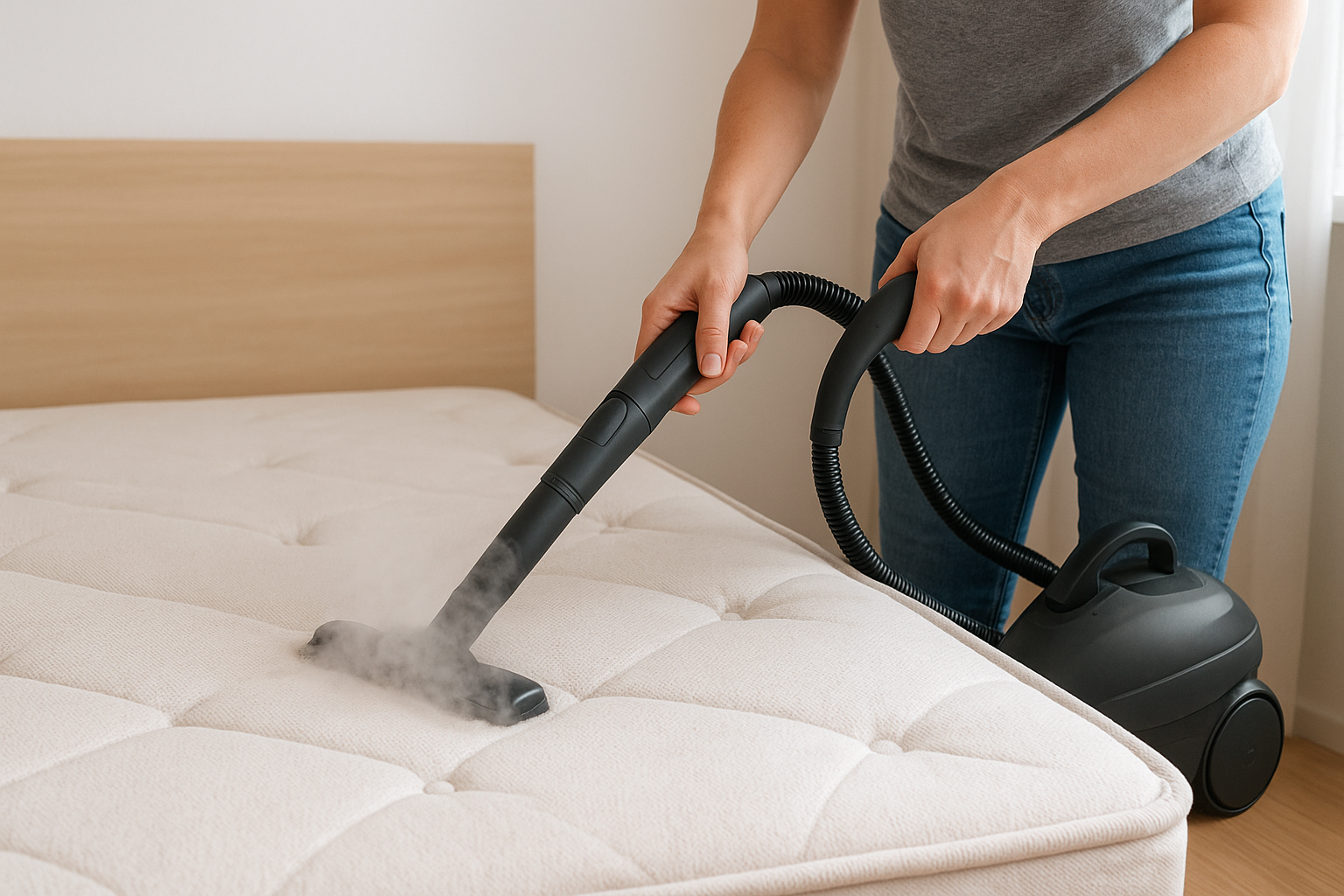
Do not rush the steam pass; moving too quickly means the surface temperature never gets high enough to kill eggs.
Step 4. Encase, trap, monitor, and use chemicals safely
After steaming, you lock in remaining bugs and track survivors through encasements, interceptor traps, and targeted chemical treatments. This is the layer that turns short-term cleaning into a lasting result when working out how to get rid of bed bugs at home, so don’t skip it.
Encase your mattress and box spring
Buy zippered bed bug-proof encasements for both your mattress and box spring. These seal surviving bugs inside and cut off their access to food until they die. Choose encasements labeled “bed bug certified” with a reinforced, bite-proof zipper. Leave them on for at least 12 months, since bed bugs can survive extended periods without a blood meal. Ask For professional help how to get rid of bed bugs at home.
Place interceptor cups under each bed leg right after encasing; these catch bugs climbing up or down and give you a clear read on whether the infestation is actually clearing week by week.
Apply chemicals safely and strategically
Diatomaceous earth (food-grade) applied along baseboards, behind electrical outlets, and inside bed frame joints damages the bug’s outer shell and kills them over several days without harsh fumes. For faster knockdown, use pyrethrin-based sprays labeled specifically for bed bugs along baseboards and frame joints. Follow these safety precautions every time you apply any chemical treatment in the room:
- Keep children and pets out during application
- Allow all treated surfaces to dry fully before re-entering
- Never spray directly onto mattress fabric
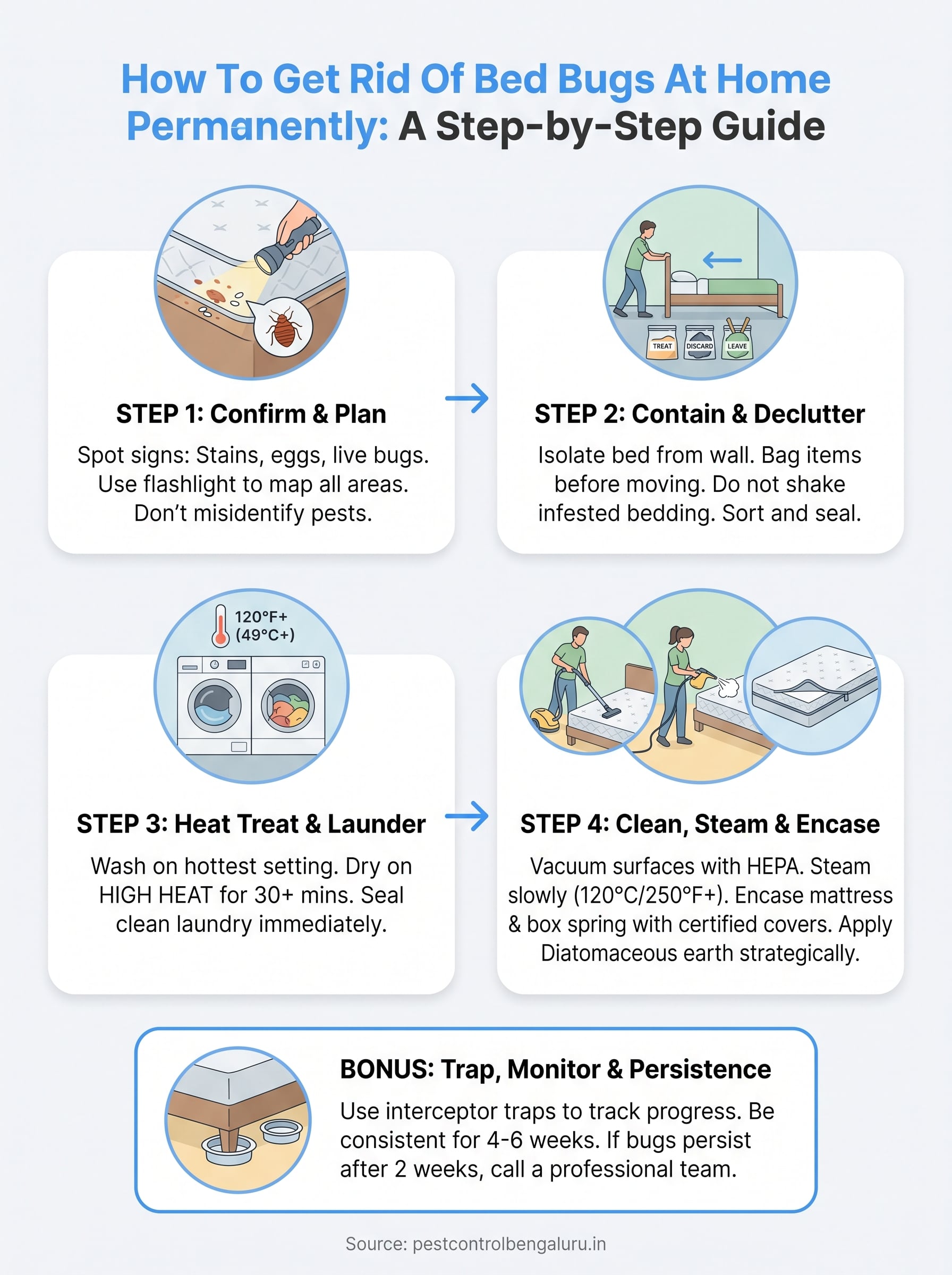
Your next move
You now have a complete process for how to get rid of bed bugs at home, from confirming the infestation and containing it, through heat treatment, vacuuming, steaming, and finally locking in your results with encasements and targeted chemical applications. Follow every step in order and track your interceptor traps weekly to measure real progress rather than guessing.
Most light-to-moderate infestations respond well to this approach if you stay consistent over four to six weeks. Severe infestations, recurring problems, or bugs spreading across multiple rooms are a different situation, and DIY methods rarely achieve full elimination once the infestation reaches that scale.
If you have completed the full process and bugs are still showing up in your interceptors after two weeks, that is your signal to bring in professional help. For How to get rid of bed bugs at home Contact the team at A to Z Pest Solutions for a thorough inspection and a treatment plan built around your specific situation.