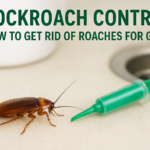

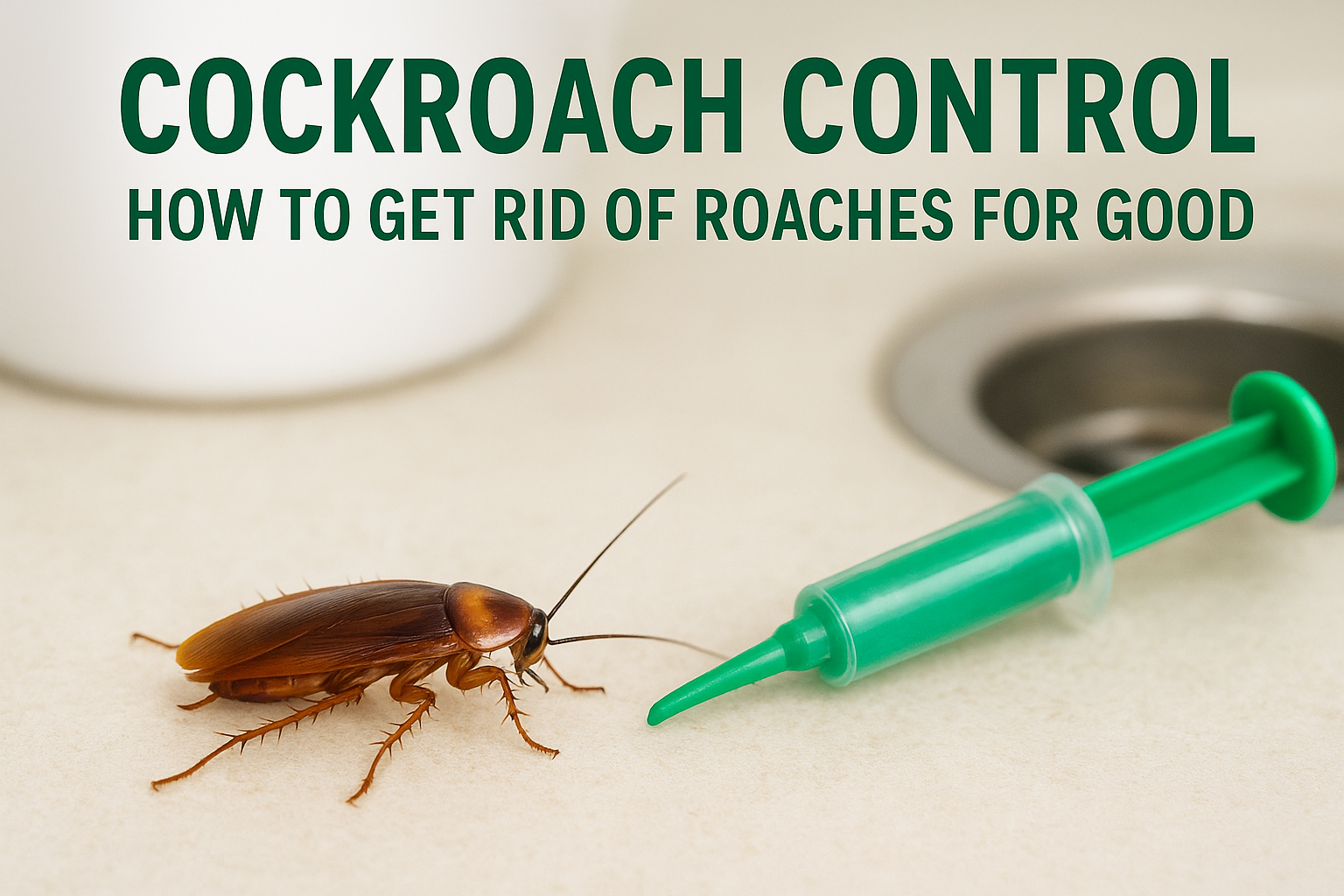
You spot one roach scurrying under the fridge at midnight, and within weeks there are dozens. That is how a cockroach control problem usually starts in Bangalore homes and kitchens, especially in apartments with shared plumbing and drains. Sprays from the local store might kill what you see, but German cockroaches breed fast and hide deep in cracks, motor casings, and behind cabinets where you can’t reach.
If you want roaches gone for good, you need to combine sanitation habits with targeted treatment, not just another can of insecticide. This guide walks through what actually works, from sealing entry points to using gel baiting technology that professionals rely on because it eliminates entire colonies, not just the roaches you see crawling on your countertop.
We’ll cover why DIY sprays often fail, the safe and effective treatments trained technicians use in Bangalore homes and restaurants, and how to keep roaches from coming back once they’re eliminated. By the end, you’ll know exactly when a long-term prevention program makes more sense than another trip to the pharmacy aisle.
Why cockroaches keep coming back
Most homeowners in Bangalore try one spray, see fewer roaches for a week, and assume the problem is solved. It isn’t. Cockroaches keep returning because a spray kills contact insects, not the hidden colony that produced them, and because apartments with shared drains and old plumbing give roaches an endless supply chain of food, moisture, and hiding spots. Unless you address the source, you’re just resetting the clock on the next outbreak.
The reproduction math you’re up against
A single female German cockroach, the species behind most kitchen infestations in Bangalore, can produce an egg capsule holding 30 to 40 eggs roughly every three weeks. Under warm, humid conditions like a monsoon-season apartment, that capsule hatches in under a month. Do the math and you’ll see why one roach becomes dozens within a single season.
- One female can generate over 300 offspring in her lifetime
- Nymphs reach breeding age in as little as 6 to 8 weeks
- Egg cases (oothecae) are often glued in cracks, resistant to surface sprays
- Colonies hide in motor casings, behind switchboards, and inside cabinet joints
Store-bought sprays only treat what you see
Aerosol sprays kill roaches caught out in the open, but most of a colony hides during the day, tucked behind appliances, inside wall voids, or under sinks where spray never reaches. Worse, the fumes and residue often scatter surviving roaches deeper into the structure, spreading the infestation to rooms that were previously clean. This is the single biggest reason DIY treatment fails.
A can of insecticide kills the roaches you see and scatters the ones you don’t.
Apartments, drains, and shared walls make it worse
Bangalore’s high-density apartment blocks create ideal roach highways. Shared drainage pipes, common walls between kitchens, and communal garbage areas mean that even if you treat your own unit thoroughly, roaches can migrate back in from a neighbor’s flat or the building’s waste chute. Gated communities and older independent houses with cracked foundations face the same issue on a smaller scale, since cockroaches travel through wall cavities and utility conduits that connect multiple units.
Chemical resistance is real
German cockroaches have developed resistance to several common insecticide classes after decades of overuse in Indian households, a pattern documented by pest researchers globally. Spraying the same off-the-shelf product repeatedly often does less each time, because surviving roaches pass resistance genes to their offspring. Professional technicians rotate active ingredients and use non-repellent formulations specifically to get around this problem, something a retail spray can’t offer.
According to the National Centre for Integrated Pest Management (NCIPM) under the Indian Council of Agricultural Research (ICAR), Integrated Pest Management (IPM) focuses on prevention, regular monitoring, sanitation, and targeted pest management strategies. For homes and businesses in Bangalore, combining good hygiene practices with professional cockroach control provides more effective and long-lasting results than relying on sprays alone.
Reference: https://ncipm.icar.gov.in
Understanding these four factors, breeding speed, hidden colonies, shared building structures, and chemical resistance, explains why so many households feel stuck in a cycle of temporary fixes. The next five steps break down exactly how to interrupt that cycle for good.
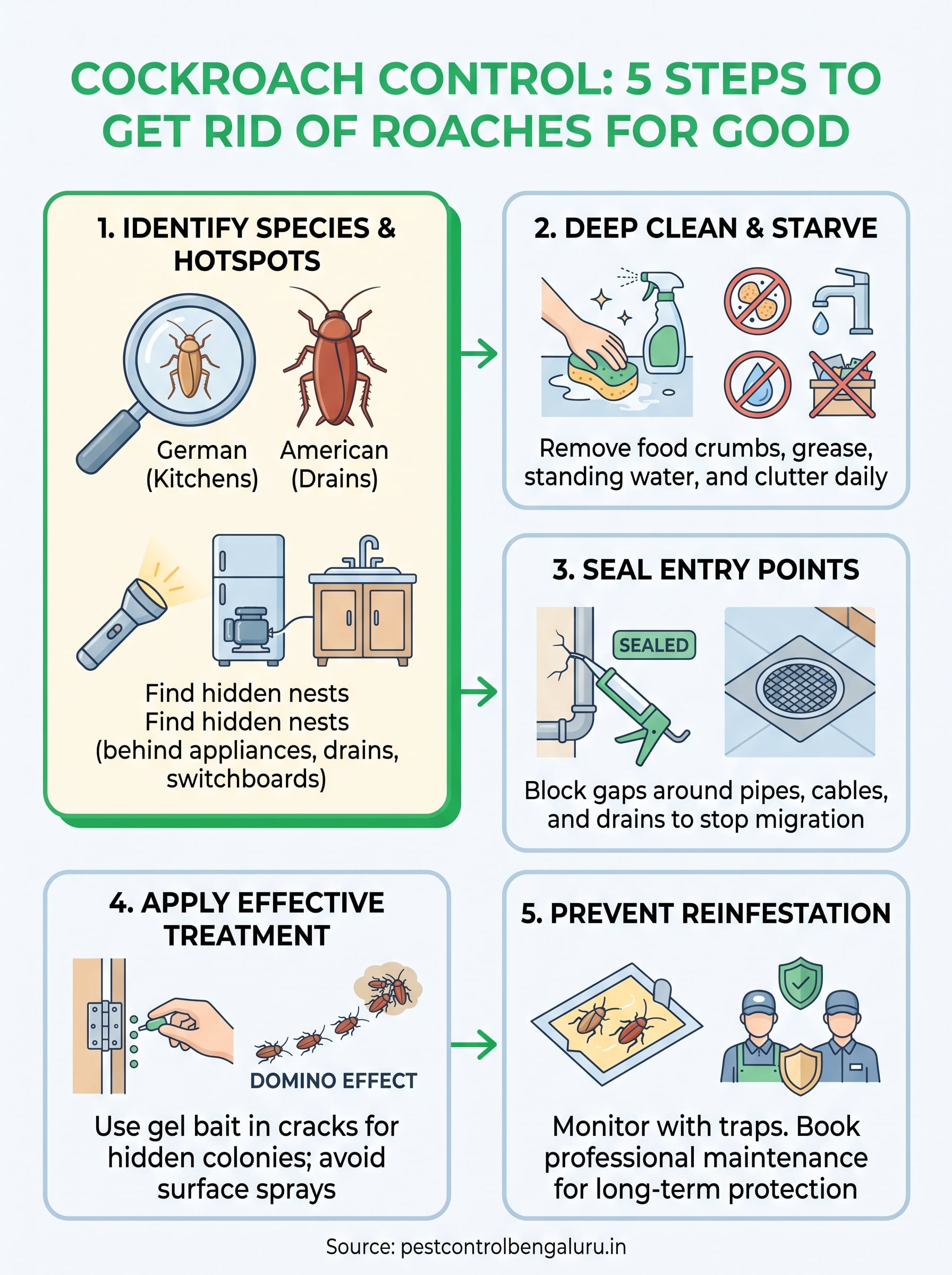
Step 1. Identify the cockroach species and hotspots
Before you buy anything or spray anything, spend ten minutes figuring out what you’re actually dealing with. Correct species identification changes everything about the treatment plan, since German cockroaches, American cockroaches, and the smaller brown-banded species behave differently and hide in different parts of your home. Guessing wrong wastes money on the wrong bait or spray and lets the real colony keep growing untouched.
Know which species you’re fighting
German cockroaches are the small, light brown ones you find near kitchen appliances and inside cabinets. They rarely leave the kitchen and bathroom because they need warmth and moisture close by. American cockroaches are larger, reddish-brown, and prefer drains, basements, and sewer connections, often entering through floor traps. Brown-banded cockroaches are less common in Bangalore homes but tend to nest higher up, in electronics, picture frames, and closets, away from water sources.
| Species | Size | Typical hiding spot | Common in |
|---|---|---|---|
| German cockroach | 12-15mm | Kitchen cabinets, appliance motors | Apartments, restaurants |
| American cockroach | 30-50mm | Drains, sewers, basements | Ground floors, older buildings |
| Brown-banded cockroach | 10-14mm | Electronics, high shelves | Bedrooms, offices |
Walk your property at night with a torch
Roaches are nocturnal, so a flashlight inspection after 11 pm reveals far more than a daytime check. Switch off the kitchen lights, wait five minutes, then flip the torch on fast and scan the floor near the sink, stove, and fridge. You’ll likely see roaches freeze or scatter toward cracks, and that scatter pattern tells you exactly where the colony is hiding.
Where the roaches run to when the light hits them is where the colony actually lives.
Map the hotspots before you treat
Make a simple list of every spot you find droppings, egg cases, or a musty odor, since that odor is a pheromone trail roaches use to mark safe paths. Check these areas specifically:
- Under and behind the refrigerator motor
- Inside stove knobs and around the oven
- Beneath the kitchen sink and around drain pipes
- Behind wall-mounted switchboards and modular sockets
- Inside cabinet hinges and door frames
This map becomes your treatment guide for the next four steps, so keep it handy rather than treating your whole kitchen blindly.
Step 2. Deep clean and remove food, water, and shelter
Treatment only works after you’ve starved the colony, so deep cleaning comes before any bait or spray. Roaches survive on crumbs behind the toaster, grease film on the stove hood, and a single damp sponge left in the sink overnight. Skip this step and you’ll be feeding the very colony you’re trying to eliminate, no matter how good the product you use afterward.
Strip the kitchen down to bare surfaces
Pull every appliance away from the wall, including the fridge, microwave, and stove, and vacuum the crumbs and grease that have built up underneath. Wipe cabinet interiors with a degreaser, not just soapy water, since grease residue holds odor trails roaches follow back into cleaned areas. Wash dishes immediately after meals rather than letting them soak, and store dry goods like rice, flour, and sugar in sealed containers instead of their original paper or plastic packaging.
Cut off standing water
Moisture matters more than food to a thirsty roach, so fix that dripping tap under the sink and dry the area around your dishwasher and washing machine after every cycle. Empty pet water bowls overnight if you’re dealing with an active infestation, and check for condensation pooling behind the fridge, a spot most people never inspect.
A dry kitchen with no crumbs is a kitchen roaches abandon within days.
Declutter hiding spots
Cardboard boxes, stacked newspapers, and cluttered storage under the sink give roaches shelter between feeding trips. Clear these out entirely rather than just tidying them, since cluttered storage areas function as roach apartments even in an otherwise spotless kitchen.
Daily habits that keep the colony starved
Build these into your routine, not just a one-time cleanup, and combine them with the treatment steps ahead:
- Wipe counters and stovetops after every meal, not just at night
- Take out kitchen garbage daily, using a bin with a tight lid
- Rinse recyclables before storing them, since food residue attracts roaches even in bottles
- Sweep floors under appliances weekly, not just visible tile
- Fix leaking taps and pipe joints within days, not weeks
A genuinely clean kitchen won’t eliminate an existing colony on its own, but it does make every bait station and spray you apply next dramatically more effective, because hungry roaches take bait faster than well-fed ones.
Step 3. Seal entry points and cut off access
Once your kitchen is clean, the next job is closing every gap a roach could use to walk back in. Sealing entry points stops migration from a neighbor’s flat, a shared drain, or the building’s garbage chute, and it keeps any survivors from the deep clean from calling in reinforcements. Skip this step and you’re leaving the front door open even after you’ve won the fight inside.
Find the gaps roaches actually use
Roaches don’t need much space, a German cockroach can squeeze through a gap as thin as a coin’s edge, so check every seam where pipes, cables, or frames meet a wall. Look at the areas around your kitchen sink drain, the gap behind wall-mounted switchboards, expansion joints near the floor, and the small space where the exhaust fan duct meets the wall. In apartments, the shared plumbing chase behind the kitchen sink is often the single biggest access point, since it runs floor to floor through the entire building.
Seal what you find
Use the right material for each gap rather than one generic filler, since a mismatched seal cracks and fails within months.
| Gap type | Best sealant | Notes |
|---|---|---|
| Pipe penetrations | Silicone sealant | Flexible, withstands moisture |
| Wall cracks and expansion joints | Cement-based filler | Use for gaps wider than 5mm |
| Door and window frames | Weatherstripping | Also blocks mosquitoes and dust |
| Switchboard edges | Silicone sealant | Apply only after power is off |
A sealed apartment doesn’t just block roaches, it blocks the highway they use to keep coming back.
Cut off drain access
Floor traps and open drains are American cockroach entry points, especially on ground floors near sewer connections. Fit drain covers with a fine mesh or a spring-loaded flap, and pour a cup of hot water with a few drops of disinfectant down unused drains weekly to disrupt the pheromone trail roaches leave behind. Never leave a floor trap uncovered overnight, since that’s exactly when American cockroaches travel between units.
Check shared walls and common areas
Talk to your building’s facility team about sealing common-area gaps near the garbage chute and basement drains, since individual sealing efforts fail if the building’s shared infrastructure stays wide open. Gated communities that coordinate sealing across multiple units see far better long-term results than residents treating just one flat.
Step 4. Apply gel bait, dust, or spray treatment
With the kitchen clean and entry points sealed, you’re ready for the treatment that actually kills the colony rather than just the roaches you spot at night. Gel bait technology is what most professional technicians reach for first, since roaches carry it back to the nest and poison the colony through feeding and grooming contact, wiping out egg-laying females you’ll never see. Sprays and dust have their place too, but only when matched to the right hiding spot.
Why gel bait outperforms spray for hidden colonies
Gel bait works through a mechanism called the domino effect. A roach feeds on the bait, returns to the harborage, and dies there. Other roaches then feed on its droppings, vomit, or carcass, spreading the active ingredient through the entire colony within days. This matters most for German cockroaches, which rarely leave the kitchen and cluster tightly in cracks where a spray can’t reach.
One dot of gel bait in the right crack does more than an entire can of spray on the open floor.
Where to place bait, dust, and spray
Apply each product where it matches how the pest actually moves, not just wherever looks convenient.
| Product | Best use | Placement |
|---|---|---|
| Gel bait | Kitchens, cabinets, hidden colonies | Small dots in cracks, hinge gaps, behind appliance motors |
| Insecticidal dust | Wall voids, switchboards, electrical panels | Light dusting behind switch plates, never on open surfaces |
| Residual spray | Perimeter and baseboards | Along skirting, under sinks, around drain pipes |
Apply bait correctly or waste it
Dot the bait, don’t smear it. A pea-sized dot every 30 to 45 centimeters along cabinet edges, hinges, and appliance backs works better than one large blob, since roaches prefer feeding at multiple small stations. Reapply every 4 to 6 weeks, since gel dries out and loses effectiveness, and never spray insecticide near an active bait station, since the smell repels roaches from the very trap you’re relying on.
Follow the label, especially around kids and pets
Read the product label before every application, and keep bait stations out of reach of toddlers and pets even though most professional-grade gels are enclosed in child-resistant stations. Ventilate the room after using any residual spray, and wash hands after handling dust or gel. If you’re treating a kitchen used daily, cover food prep surfaces before applying anything, then wipe them down before cooking again.
Step 5. Prevent reinfestation with professional help
Even with a clean kitchen, sealed gaps, and fresh bait, roaches can slip back in through a delivery box, a neighbor’s drain, or a gap you missed. Ongoing monitoring catches these early arrivals before they multiply, and it’s the step most homeowners skip once the initial infestation clears. Treat this stage as maintenance, not an afterthought, and you’ll avoid repeating the entire five-step process every few months.
Track activity with sticky traps
Place glue traps in the same hotspots you mapped in Step 1, behind the fridge, under the sink, near switchboards, and check them weekly. Zero catches for two to three weeks means the colony is dead. Fresh nymphs on a trap mean eggs survived somewhere, and you need to reapply gel bait in that specific spot rather than treating the whole kitchen again.
Know when DIY has hit its limit
Recurring sightings after two full treatment cycles, roaches appearing in new rooms, or an infestation in a shared apartment wall are signs the problem has outgrown store-bought products. Professional-grade treatments use rotated active ingredients and non-repellent formulations that retail sprays don’t carry, which matters once resistant roaches are involved.
If roaches keep appearing after two honest treatment cycles, the colony has outgrown what a retail spray can fix.
What a trained technician adds
A to Z Pest Solutions technicians inspect wall voids, motor casings, and drain connections that most residents never check, then apply targeted gel, dust, or spray based on the species found, not a one-size-fits-all product.
| Approach | Typical result | Best for |
|---|---|---|
| DIY spray and bait | Temporary reduction | Small, early infestations |
| Professional single visit | Colony elimination | Moderate infestations |
| Annual maintenance program | Long-term prevention | Apartments, restaurants, recurring issues |
Book a maintenance schedule
Ongoing protection works better than repeated emergency calls. Quarterly visits catch new activity before it becomes a full infestation, and technicians reseal any gaps that reopen after monsoon settling or renovation work. For Bangalore apartments sharing drains and walls with dozens of other units, an annual maintenance program is usually the only approach that keeps roaches out for good rather than just out for a season.
A roach-free home starts today
Getting rid of roaches for good isn’t about finding one magic spray, it’s about stacking five habits: identify the species, starve the colony, seal the gaps, apply the right product in the right spot, and keep monitoring afterward. Skip a step and the colony finds a way back through a shared drain or a gap you missed near the switchboard. Follow all five, and you break the reproduction cycle that turns one roach into dozens within a season.
Bangalore’s apartments, shared walls, and monsoon humidity make DIY cockroach control harder than it looks online, especially once resistant German cockroaches are involved. If you’ve run through two honest treatment cycles and roaches keep showing up, it’s time for trained technicians who inspect motor casings and wall voids you can’t reach yourself. Book a cockroach treatment with A to Z Pest Solutions and get your kitchen back for good.