
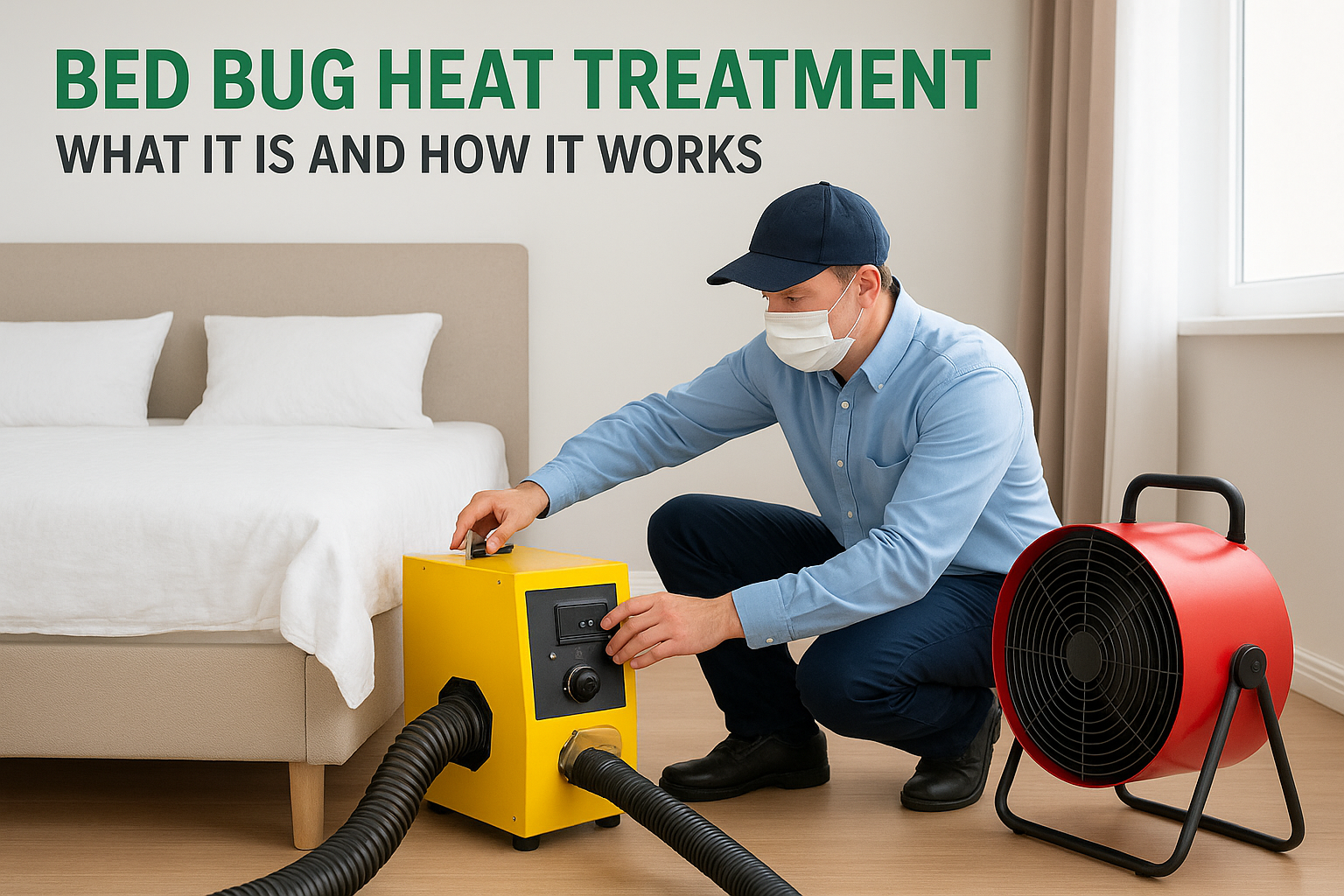
You have spotted bites on your arm, found tiny rust colored spots on your mattress seams, and now you are searching for a way to kill bed bugs without soaking your bedroom in chemicals. Heat bed bug treatment keeps coming up in your research, and you want to know if it actually works before you spend money on it.
Here is the short answer: heat bed bug treatment raises the temperature inside your room or entire home high enough to kill bed bugs at every life stage, eggs included, usually in a single visit. Unlike sprays that only kill on contact, heat penetrates mattresses, wall cracks, and furniture joints where bed bugs hide, which is why many professionals focused on killing bed bugs in Bangalore permanently now recommend it over repeated chemical rounds for stubborn infestations.
In this article, we will walk through what heat bed bug treatment actually involves, the temperatures and timing needed for it to work, how the treatment process unfolds from setup to completion, and how it compares to chemical treatment. By the end, you will know exactly what to expect and whether heat is the right call for your home.
Why heat is such an effective bed bug killer
Bed bugs survive chemical sprays by hiding in places no liquid can reach, folding themselves into mattress seams, baseboard gaps, and electrical outlets. Heat does not have that problem. Once the air around an insect reaches its thermal death point, the bug dies no matter where it is tucked away, which answers the question so many homeowners ask: does bed bug heat treatment work better than spraying alone? For hidden, well-established infestations, yes, because heat treats the whole space rather than just the surfaces a technician can physically touch.
The thermal death point explained
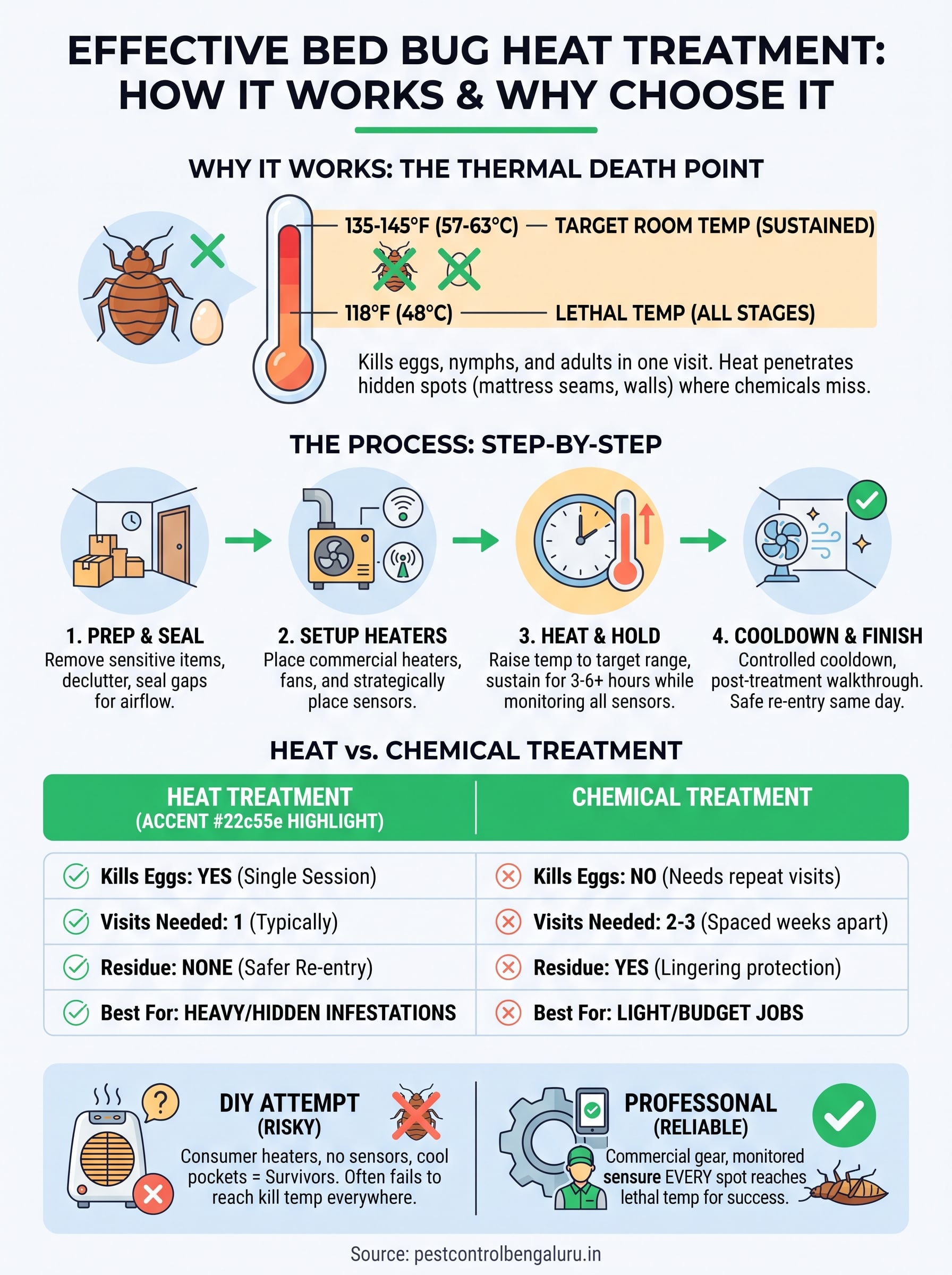
At the cellular level, high heat destroys the proteins that keep a bed bug’s body functioning. Once its internal temperature crosses roughly 118°F (48°C), those proteins denature and the insect dies within minutes, a process no bed bug at any life stage can outlast. Eggs are actually the toughest target, since their shells insulate the embryo inside, so professional treatments push sustained air temperatures well above the minimum kill point to guarantee eggs cook through as well as adults and nymphs.
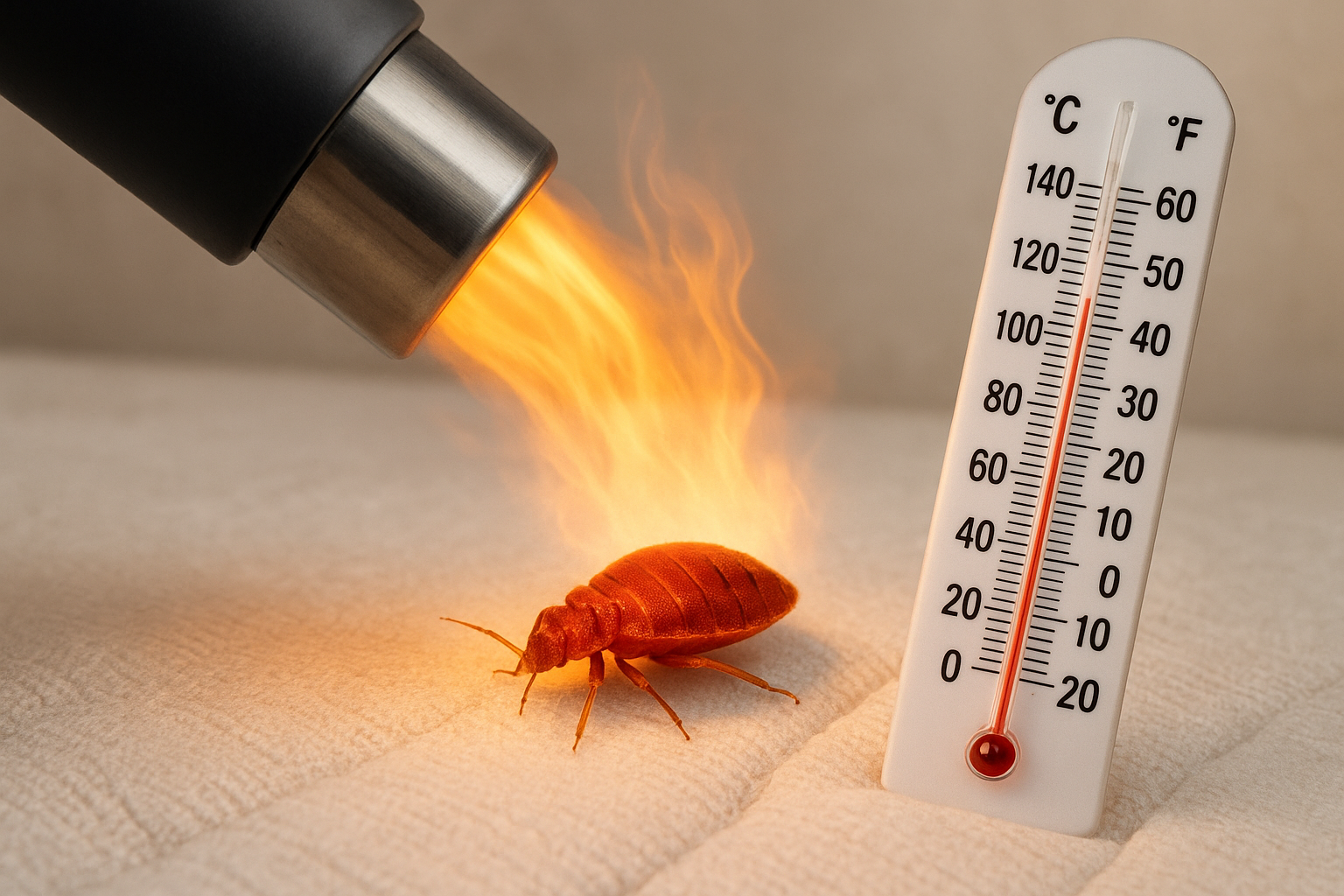
Heat kills the eggs chemicals cannot reach, which is exactly why it works when sprays alone don’t.
| Life stage | Lethal temperature | Typical exposure needed |
|---|---|---|
| Adult bed bugs | 113°F (45°C) | Minutes |
| Nymphs | 113°F (45°C) | Minutes |
| Eggs | 118°F (48°C) | 60-90 minutes sustained |
| Room air target (professional job) | 135-145°F (57-63°C) | 3-6 hours |
The gap between the minimum lethal temperature and the target room temperature exists on purpose. Cooler spots inside dense furniture or thick mattresses lag behind the ambient air, so a technician holds the room well above the kill point long enough for heat to soak all the way through, not just warm the surface.
Why heat reaches what sprays can’t
Insecticides only work where they land, which is why a bed bug tucked three inches inside a box spring or behind a light switch plate can simply wait out a chemical application. Heat penetration solves this because warm air moves freely through fabric, wood, and small voids the way liquid never can. That is the core reason a bed bug removal heat treatment often succeeds where two or three rounds of spraying have already failed, particularly in cluttered apartments or older Bangalore buildings with plenty of cracks and joinery for bugs to hide in.
Furthermore, heat does not rely on the bug walking across a treated surface or ingesting bait, which matters because bed bugs can detect and avoid some insecticide residues over time. There is no equivalent behavioral resistance to heat. A bug cannot sense rising temperature and relocate to safety once the room is sealed and the process has begun, which is part of why pest control professionals increasingly favor heat bed bug treatment for infestations that have proven resistant to repeated chemical rounds.
Another advantage worth noting is speed of kill relative to coverage. A single well-executed heat session can address an entire room, including furniture, curtains, and wall voids, in one continuous cycle, whereas chemical treatment often needs multiple visits spaced two weeks apart to catch newly hatched nymphs. That single-visit potential is a major reason homeowners researching is bed bug heat treatment effective conclude it is worth the higher upfront cost, and it helps to know what shapes pest control prices in Bangalore before comparing quotes, especially when a fast turnaround matters, such as before moving into a new rental or reopening a guest room.
How heat bed bug treatment works, step by step
A professional heat bed bug treatment process does not begin with the heater switching on. It starts with preparation, because a room full of clutter blocks airflow and creates cool pockets where bed bugs can survive. Technicians walk through your space first, checking outlets, wall voids, and furniture that needs to be pulled away from walls so heat can circulate freely on every side.
Pre-treatment preparation
Before the heat goes on, you and the technician handle a short prep list together. Skipping these steps is the most common reason a treatment underperforms, so most companies send a written checklist in advance.
- Remove heat-sensitive items: candles, aerosol cans, electronics with batteries, musical instruments, and anything wax or plastic that could warp above 140°F.
- Pull furniture a few inches from walls so warm air reaches every side.
- Open drawers, closets, and cabinet doors to expose hidden hiding spots.
- Strip beds down to the mattress so heat penetrates seams directly, the same reason clearing bed bugs out of your bed starts with bare bedding.
- Seal the treatment area, including sealing gaps under doors, to trap heat inside.
Setting up and running the heaters
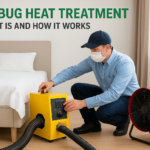
Once the room is cleared, technicians bring in industrial electric heaters along with fans that push hot air into corners and behind furniture. Multiple temperature sensors get placed around the room, including inside mattresses and dense furniture, so the crew can track how heat is actually penetrating rather than just guessing from the thermostat reading. This sensor placement is what separates a controlled heat bed bug treatment from simply pointing a space heater at a mattress, which rarely reaches lethal temperatures deep inside upholstery.
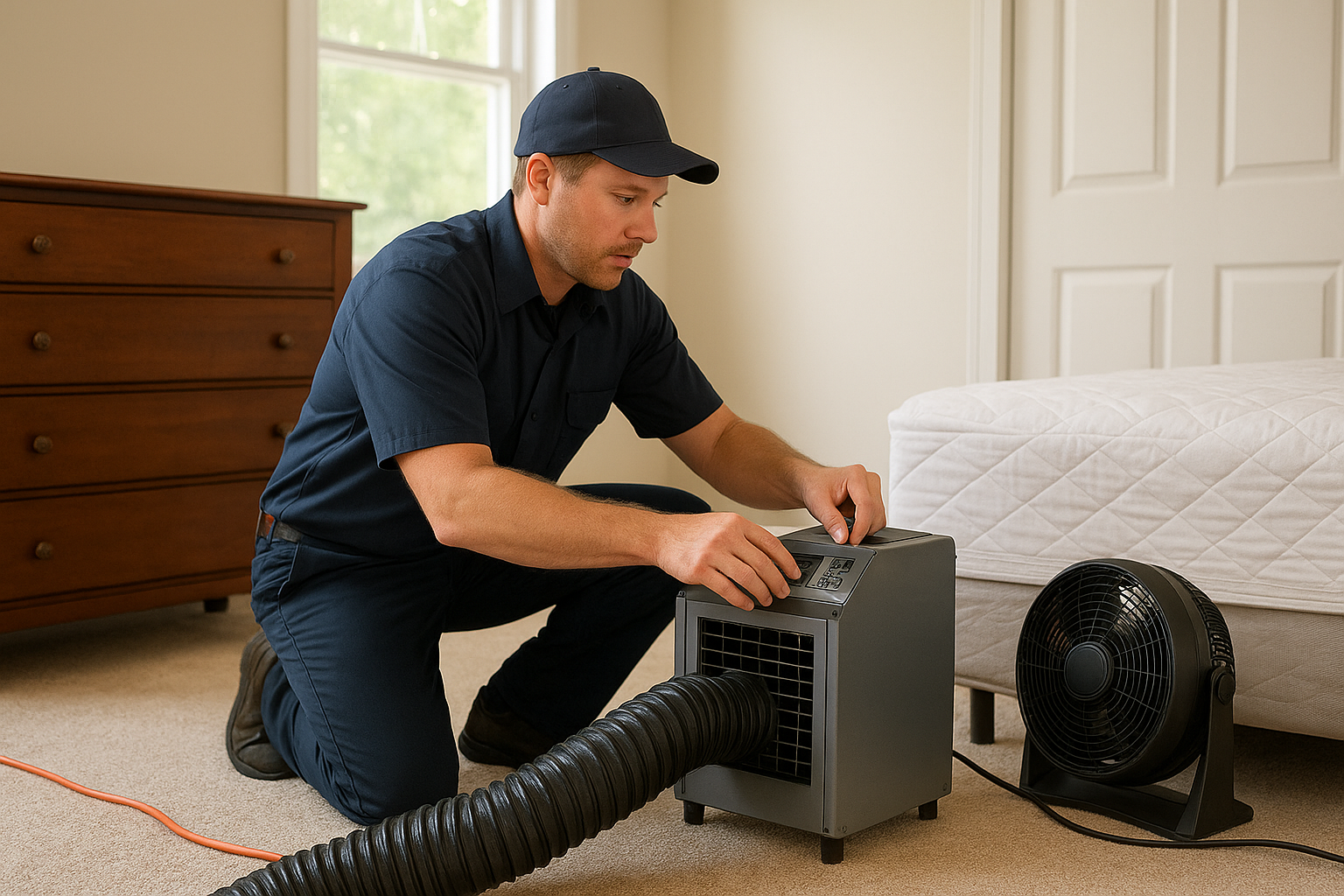
A heat treatment only works if every sensor in the room, not just the one nearest the heater, reaches the kill temperature.
Monitoring and holding the temperature
During the active phase, a technician stays on site watching the sensor readings climb and adjusting heater placement if any zone lags behind. This is where the real work happens, since holding the whole room, not just the air near the ceiling, above 135°F for the required window is what actually kills eggs buried deep in fabric.
Finally, once every sensor confirms the target has been sustained long enough, the crew begins a controlled cool-down before letting you back into the room. A heat bed bug treatment typically wraps up with a walkthrough where the technician points out any remaining debris and explains what to expect over the following days, including a follow-up visual inspection to confirm the infestation is gone for good.
How long heat treatment takes and what to expect
Most homeowners asking bed bug heat treatment how long it actually takes are surprised the answer is measured in hours, not days. A single room typically takes 6 to 8 hours from setup to cooldown, while a full apartment or small house can run 8 to 12 hours depending on square footage, clutter, and how many walls separate rooms. Larger homes sometimes need heaters running in multiple zones at once, which adds setup time but does not necessarily stretch the active heating phase much longer, since technicians work in parallel rather than one room at a time.
What a typical timeline looks like
Understanding the phases helps you plan your day around the visit rather than wondering why the crew is still there hours after arriving.
| Phase | Typical duration |
|---|---|
| Inspection and prep | 30-60 minutes |
| Heater setup and sealing | 30-45 minutes |
| Ramp-up to target temperature | 1-2 hours |
| Sustained hold at 135-145°F | 3-6 hours |
| Cooldown and walkthrough | 30-60 minutes |
Expect to be out of the house for most of a working day, not just a couple of hours.
The days right after treatment
Once the crew packs up, you can move back in the same day after the room cools to a safe temperature, usually within an hour or two. Vacuuming isn’t necessary immediately, but many technicians recommend a light vacuum of mattress seams and carpet edges within 48 hours to remove dead bugs and any stragglers stunned by the heat rather than killed outright. Some companies schedule a follow-up visual check around the two-week mark, mainly to confirm no bugs survived in an unusually cool pocket, though a properly monitored session rarely needs a repeat visit.
Damage risk and how it’s prevented
Heat bed bug treatment damage is a fair concern, and it is almost always avoidable with proper prep. Wax candles melt, vinyl records warp, and some electronics with lithium batteries can be damaged above 120°F, which is exactly why the pre-treatment checklist exists. Wood furniture and instruments occasionally show minor warping if left in the room without warning, so flagging anything unusual to the technician beforehand matters more than the treatment method itself. Structural damage to walls, flooring, or wiring is not a realistic risk when a trained crew runs the equipment, since target temperatures stay well below what would harm building materials, and sensors prevent any single spot from overheating.
Heat vs chemical treatment: which is better and safer
Comparing heat treatment vs chemical spraying comes down to what kind of infestation you’re dealing with and how fast you need it gone. Chemical treatment relies on residual insecticides that keep killing bugs for days or weeks after application, which works well for light infestations but needs multiple visits since eggs often survive the first round. Heat kills everything present in one sustained session, eggs included, but it leaves no residue behind, so a bug carried in later from a neighboring unit or secondhand furniture won’t encounter any lingering protection.
Comparing the two side by side
Going through the practical differences makes it easier to answer the question homeowners keep asking us about the most effective bed bug treatment in Bengaluru: is the best bed bug treatment heat or chemical? The honest answer is that it depends on your infestation size, budget, and how much disruption you can tolerate.
| Factor | Heat treatment | Chemical treatment |
|---|---|---|
| Kills eggs on contact | Yes, single session | No, needs repeat visits |
| Number of visits typically needed | 1 | 2-3, spaced two weeks apart |
| Residual protection after treatment | None | Weeks, depending on product |
| Odor | None | Mild to noticeable, depending on product |
| Upfront cost | Higher | Lower per visit |
| Best suited for | Heavy, hidden, or resistant infestations | Light to moderate infestations, budget-conscious jobs |
Heat clears an infestation in one visit; chemicals protect against the next one that walks in.
Safety considerations for families and pets
Safety is where the two methods diverge in a different direction than most people expect. Chemical bed bug treatment uses products that are safe once dry and applied correctly, but families with young children, pregnant occupants, or respiratory sensitivities often prefer to avoid airborne residue altogether, and re-entry times vary by product. Heat treatment leaves no chemical residue at all, since the entire process relies on temperature rather than active ingredients, which makes it the more straightforward choice for households that want to walk back into a room without wondering what settled on the floor. Note that our services cover residential and commercial properties only, not pets or animals, so if you have caged animals or aquariums in the home, those need to be relocated before either treatment type begins.
Realistically, many of the bed bug services in Bangalore that actually work combine both approaches rather than treating them as a strict either-or choice. A technician might run a heat cycle to knock out the visible infestation immediately, then follow up with a targeted chemical application in cracks and voids to guard against reinfestation over the following weeks, giving you the speed of heat with the lingering protection chemicals provide.
DIY heat treatment vs hiring a professional
Searching for a bed bug home heat treatment kit turns up plenty of portable heaters, heat boxes for luggage, and even step-by-step instructions on getting rid of bed bugs at home by running a space heater overnight in a sealed room. These tools work fine for small, contained items like shoes or a suitcase, but treating an entire bedroom with consumer-grade equipment is a different challenge, and it’s where most DIY attempts fall apart before they ever reach a lethal temperature.
Why DIY setups struggle to reach lethal temperatures
Household heaters are built to warm a room to a comfortable 72°F, not to sustain 135°F for hours on end, and most will trip a breaker or shut off from an internal safety cutoff long before they get close. Without commercial-grade fans and sensors placed inside mattresses and furniture, you have no reliable way to confirm the parts of the room where bugs actually hide ever crossed the kill point.
- No way to verify internal mattress or furniture temperature without proper sensors
- Household heaters risk fire if run unattended for hours at high output
- Uneven heat distribution leaves cool pockets where eggs survive
- No monitoring means you won’t know the treatment failed until bites return
- Heat-sensitive items can be damaged without a proper prep checklist
A DIY heater that warms the air near the ceiling but never touches the eggs inside your mattress hasn’t treated anything.
What a professional crew brings to the job
Professional heat bed bug treatment relies on calibrated commercial heaters, strategically placed fans, and multiple wireless sensors that confirm every corner of the room, not just the spot nearest the equipment, holds the target temperature for the full window. A technician stays on site the entire time, adjusting placement as readings come in, which is the difference between hoping the treatment worked and knowing it did.
Cost is the honest tradeoff. Renting or buying equipment for a one-time DIY attempt can look cheaper upfront, but a failed treatment means buying chemical sprays afterward anyway, plus living with the infestation longer while bugs keep breeding. If you’re in Bangalore and weighing your options, our team at A to Z Pest Solutions runs fully monitored heat treatments with the equipment and experience needed to get it right in a single visit, backed by over three decades of pest control work across the city.
Frequently asked questions
**Does bed bug heat treatment really work?**Yes. Once the air around a bed bug crosses its thermal death point of about 118°F, the insect dies within minutes regardless of life stage, including eggs. Because heat fills the whole room rather than only the surfaces a technician can spray, it reaches bugs hiding in seams, wall voids, and furniture joints that chemicals often miss.
**How long does a bed bug heat treatment take?**A single room typically takes 6 to 8 hours from setup to cooldown, while a full home can run 8 to 12 hours depending on size and layout. Most of that time is spent on the sustained hold at 135-145°F needed to make sure heat has fully penetrated mattresses and furniture, not just the surrounding air.
**Can heat treatment damage my belongings?**The risk is low when the room is prepped properly. Wax candles, vinyl, and lithium-battery electronics are the main items that can be affected above roughly 120-140°F, which is why technicians ask you to remove or flag heat-sensitive items beforehand. Structural damage to walls or wiring is not a realistic concern with professional, sensor-monitored equipment.
**Is heat or chemical treatment better for bed bugs?**It depends on the infestation. Heat kills everything, including eggs, in a single visit but leaves no residual protection, so a bug carried in later isn’t affected. Chemical treatment needs multiple visits spaced weeks apart but keeps working after application. Many professionals combine both: a heat cycle to clear the current infestation, followed by targeted chemical application to guard against reinfestation.
**Can I do a DIY bed bug heat treatment at home?**DIY heat works reasonably well for small, contained items like shoes or a suitcase in a heat box, but treating a full room is much harder. Household heaters usually can’t sustain 135°F for hours, and without sensors placed inside mattresses and furniture, there is no way to confirm the heat actually reached the bugs hiding deepest, so cool pockets and surviving eggs are common with DIY attempts.
Choosing the right path to a bed bug-free home
Heat bed bug treatment works because it reaches what sprays never touch: eggs buried in seams, nymphs tucked behind baseboards, adults hiding inside furniture joints. One well-monitored session, sustained at 135-145°F for a few hours, can end an infestation that repeated chemical rounds failed to clear. Chemicals still have a place, especially for light infestations or as backup protection against reinfestation, but heat gives you speed and certainty that residue-based methods simply can’t match on their own.
What matters most is execution. A DIY heat attempt without proper sensors and commercial equipment risks leaving cool pockets where eggs survive, which means bites returning within weeks. A professionally run treatment, monitored room by room, gets it right the first time. If you’re dealing with bed bugs in Bangalore and want it handled properly, talk to our bed bug control specialists in Bangalore about a fully monitored heat treatment backed by over three decades of local pest control experience.