
Mosquito bites in Bangalore are not just annoying, they carry real risk of dengue and chikungunya, especially during and after the monsoon. Before you reach for a chemical spray, it makes sense to try home remedies for mosquito control that use ingredients already sitting in your kitchen or garden. Many of these methods have worked for households for generations, and they work well as a first line of defense.
If you are searching for a natural mosquito repellent that actually keeps bugs away without the fumes and skin irritation of commercial sprays, you are in the right place. The remedies below cover repelling mosquitoes from your rooms, killing breeding larvae, and soothing bites, all using simple ingredients like neem oil, camphor, garlic, and basil.
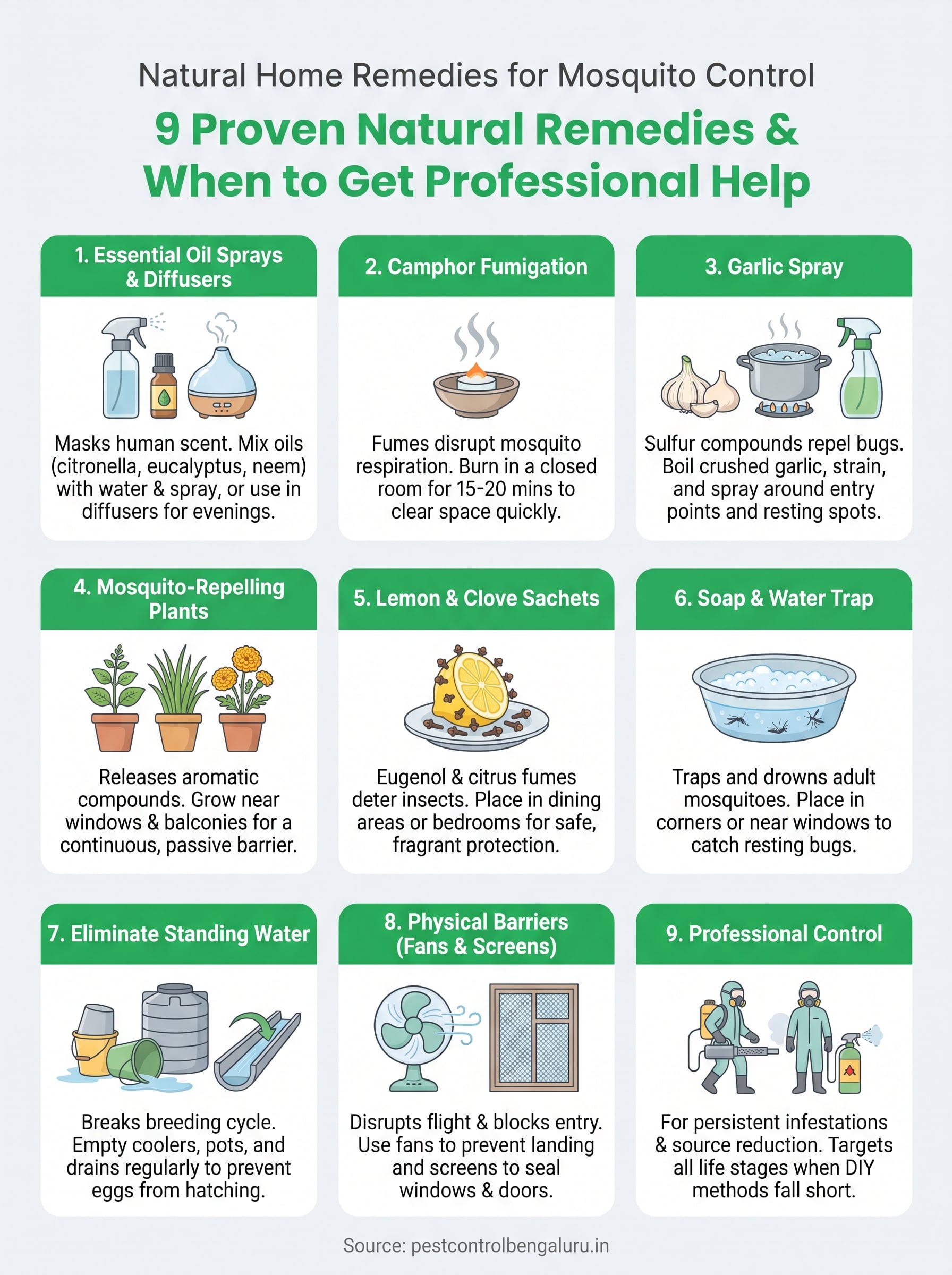
In this article, we walk through 9 tested home remedies that Bangalore residents can use right away. We will also point out where these DIY fixes fall short, because a mosquito infestation caused by stagnant water or nearby breeding sites needs more than a spray bottle. That is where our professional mosquito control experience at A to Z Pest Solutions becomes useful for lasting protection.
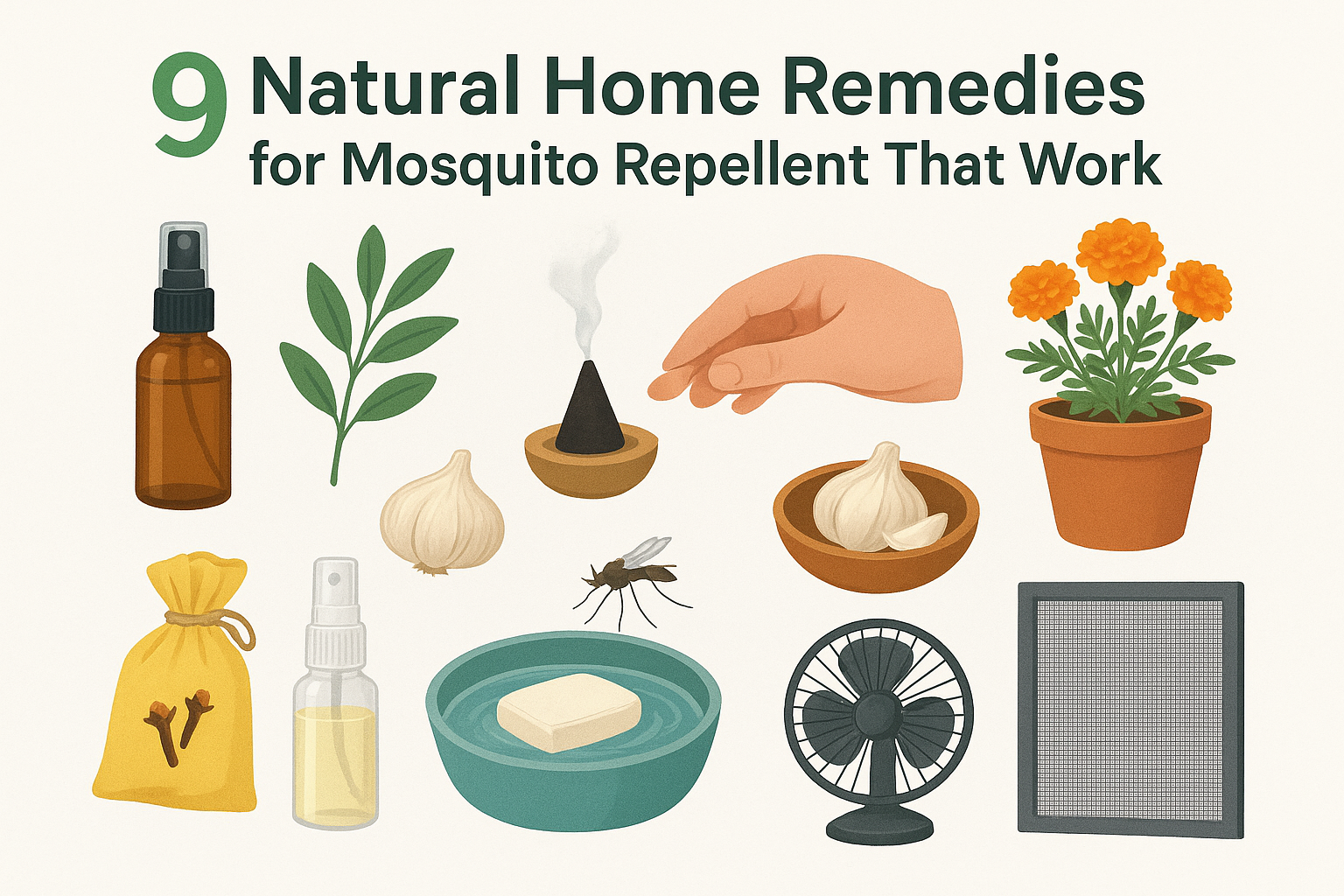
1. Essential oil sprays and diffusers
Essential oils sit at the top of almost every list of home remedies for mosquito control, and for good reason, alongside the mosquito repellents that actually work in day-to-day use. Oils like citronella, eucalyptus, lemongrass, and neem contain compounds that mosquitoes find overwhelming, which keeps them from landing on your skin or flying into a room in the first place.
How it works
Mosquitoes locate you through body heat, carbon dioxide, and skin odor. Strong-smelling essential oils mask these signals, confusing the insect’s sense of smell so it cannot track you down. Citronella oil is the most studied of these, and eucalyptus oil blended with lemon shows similar effects in field trials referenced by the US CDC.
A well-mixed essential oil spray can cut mosquito landings on your skin for two to three hours at a stretch.
How to use it at home
Making your own spray is one of the easiest natural ways for mosquito repellent protection at home:
- Mix 10 to 15 drops of citronella, eucalyptus, or neem oil with 100 ml of water and a teaspoon of vodka or witch hazel to help the oil bind.
- Shake well in a spray bottle and apply to exposed skin, curtains, and doorways every two to three hours.
- For diffusers, add 5 to 6 drops of oil to water in an electric diffuser and run it in bedrooms during evening hours when mosquitoes are most active.
- Refresh the mixture daily since essential oils lose potency quickly once diluted.
Best for
This remedy suits residential customers who want a pleasant-smelling, low-effort option for evenings on the balcony or during dinner. It works well for families with young children who are sensitive to synthetic repellent smells, and it is a good backup option for apartment dwellers who cannot use fogging indoors.
Precautions
Undiluted essential oils can irritate skin, so always dilute before applying. Keep diffusers out of reach of toddlers and pets, and avoid using citrus-based oils directly on skin before stepping into sunlight, since some citrus oils increase photosensitivity. Essential oils also do not kill larvae or address breeding sites, so pair this remedy with source reduction for real results.
2. Camphor fumigation
Camphor is a household staple in most Bangalore kitchens and pooja rooms, and it doubles as one of the most effective home remedies for mosquito control when you need a quick fix before bedtime. Burning camphor releases fumes that mosquitoes cannot tolerate, clearing a closed room within 15 to 20 minutes.
How it works
Camphor vapor contains terpenes that disrupt a mosquito’s respiratory system and its ability to sense humans nearby. Unlike essential oils that mask scent, camphor smoke actively drives mosquitoes out of enclosed spaces, making it one of the more direct mosquito killer home remedies available without chemicals.
Close the doors, burn camphor for 15 minutes, and most mosquitoes will already be looking for an exit.
How to use it at home
- Place two camphor tablets in a heat-safe bowl and light them in the center of a closed room.
- Keep windows and doors shut for 15 to 20 minutes, then air out the room before sleeping.
- Repeat this nightly in bedrooms and living rooms during peak mosquito season.
Best for
Camphor fumigation works best for residential customers in independent houses and villas with rooms that can be sealed off temporarily. It suits families dealing with a sudden evening spike in mosquitoes and those who prefer a smoke-based solution over sprays.
Precautions
Never leave burning camphor unattended, and keep it away from children, pets, and flammable curtains. People with asthma or respiratory sensitivity should avoid inhaling the smoke directly. Ventilate the room fully afterward, since prolonged camphor smoke exposure can cause headaches or throat irritation.
3. Garlic spray
Garlic is another kitchen staple that works surprisingly well as one of the simpler home remedies for mosquito killing and repelling in small spaces. Its sharp sulfur compounds are unpleasant to mosquitoes, and boiling it releases those compounds into the air fast.
How it works
Crushed garlic releases allicin, a sulfur compound with a smell that mosquitoes actively avoid. When you boil garlic and spray the water around a room, the scent lingers on surfaces and in the air, disrupting the insect’s ability to sense you nearby. It is not as long-lasting as citronella, but it is one of the fastest natural remedies mosquito repellent options you can make with zero special ingredients.
Boiled garlic water sprayed around window sills gives you a quick, chemical-free barrier that lasts a few hours.
How to use it at home
- Crush 8 to 10 garlic cloves and boil them in two cups of water for 10 minutes.
- Let the mixture cool, strain it, and pour it into a spray bottle.
- Spray around windows, doorways, and dark corners where mosquitoes rest during the day.
Best for
This suits residential customers who want a same-day fix using ingredients already in the kitchen, particularly for apartments and rental homes without a garden.
Precautions
The strong smell can linger in fabrics and is not pleasant for everyone. Avoid spraying near food preparation areas, and reapply every few hours since the scent fades quickly.
4. Mosquito-repelling plants
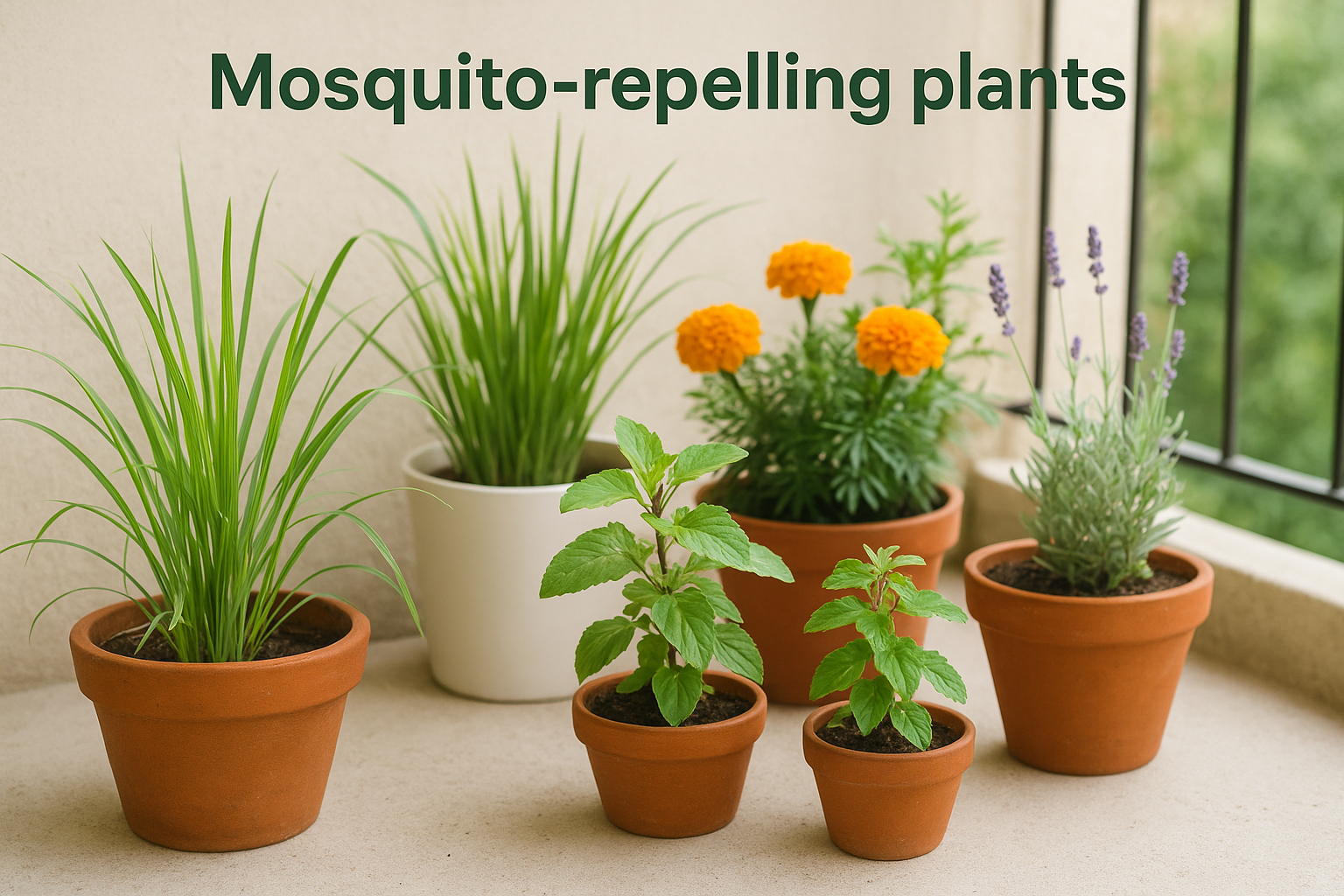
Growing the right greenery on your balcony or windowsill is one of the more pleasant natural way for mosquito repellent protection, since it doubles as garden decor. Plants like citronella grass, tulsi, lemongrass, marigold, and lavender release natural oils that mosquitoes avoid, giving you a passive barrier around doors and windows.
How it works
These plants produce aromatic compounds in their leaves, similar to the oils used in sprays and in herbal pest control in Bangalore, but released continuously without any effort on your part. Tulsi (holy basil) is especially common in Bangalore homes and has shown repellent activity against mosquito species in local studies. Marigold flowers contain pyrethrum-like compounds that many insects, including mosquitoes, steer clear of.
A few pots of tulsi and citronella grass near your entrance can quietly cut down mosquito entry all season long.
How to use it at home
- Place potted citronella grass, lemongrass, or tulsi near windows, balconies, and entry doors.
- Crush a few leaves occasionally to release more scent into the air.
- Group multiple plant varieties together near seating areas for stronger coverage.
Best for
Apartment residents and villa owners with balcony space benefit most, especially families who want a chemical-free, low-maintenance option that also improves air quality.
Precautions
Single potted plants offer weak, localized protection and will not clear an already infested room. Keep pets away from lantana and other plants that are toxic if chewed, and water regularly since dried plants lose their repellent power.
5. Lemon and clove sachets
A lemon studded with cloves looks like a kitchen decoration, but it is one of the oldest home remedies for mosquito control passed down in Indian households. This trick works well on dining tables and near doorways where you want a pest-free zone without any spraying or burning.
How it works
Cloves contain eugenol, a compound with a sharp scent that mosquitoes find repulsive, and lemon adds citric acid fumes that reinforce the effect. Pushing cloves into a halved lemon slowly releases both scents into the surrounding air over several hours. Together they create a mild but steady mosquito repellent home remedies combination that needs no electricity or open flame.
A lemon and clove sachet on the dining table keeps mosquitoes off your food without a single spray.
How to use it at home
- Cut a lemon in half and stud each half with 15 to 20 whole cloves, pushed in close together.
- Place the halves on small plates near dining tables, bedside tables, or entryways.
- Replace the lemon every one to two days once it dries out and stops releasing scent.
Best for
This suits residential customers who want a natural, fragrant option for dining areas and small rooms, especially households avoiding smoke or chemical sprays around children.
Precautions
The scent only covers a small radius, so it will not protect an entire hall. Keep sachets away from ants, which are also drawn to the citrus, and discard the lemon once it molds.
6. Soap and water mosquito trap
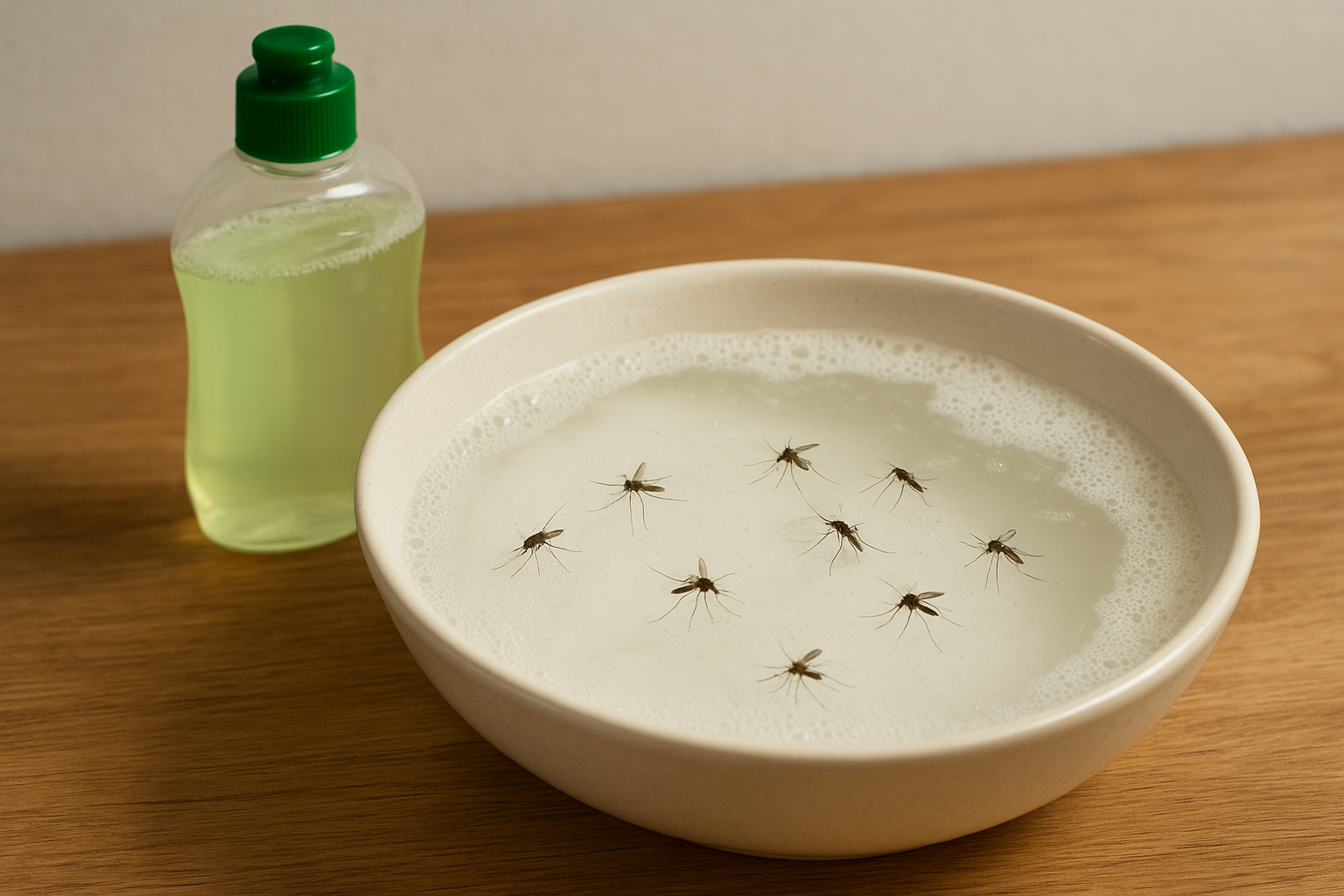
A shallow dish of soapy water is one of the cheapest home remedies for mosquito populations already breeding indoors. It targets adult mosquitoes resting near standing water rather than repelling them, which makes it a useful companion to the sprays and sachets covered above when you need to kill the mosquitoes already inside your house.
How it works
Mosquitoes and other small insects are drawn to still water to lay eggs, but soap breaks the surface tension they need to land and float. Once they touch the soapy film, they sink and drown within minutes. Dish soap also disrupts a mosquito’s waxy outer coating, which speeds up the process, making this a genuine mosquito killer home remedies trick rather than just a deterrent.
A bowl of soapy water left out overnight can trap and drown dozens of mosquitoes before morning.
How to use it at home
- Fill a wide, shallow bowl with water and add two tablespoons of liquid dish soap.
- Stir gently to create a thin film across the surface without heavy foam.
- Place the bowl near windows, balconies, or dark corners where mosquitoes rest during the day.
- Empty and refresh the bowl every one to two days.
Best for
This suits residential customers dealing with a mosquito problem near a balcony drain or courtyard, especially in independent houses with outdoor space.
Precautions
Keep the bowl away from children and pets who might drink from it. This trap only catches adults nearby and does nothing for larvae in distant breeding sites.
7. Eliminating standing water and breeding sites
Every mosquito problem eventually traces back to water sitting somewhere it shouldn’t. This is the most important of all home remedies for mosquito control because it stops the problem before eggs even hatch, rather than fighting adult mosquitoes one spray at a time.
How it works
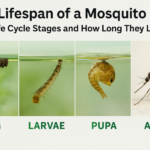
Female mosquitoes need still water to lay eggs, and it takes as little as a bottle cap of rainwater for a batch to hatch within a week, the first stage of the mosquito life cycle. Coolers, flowerpot trays, discarded tires, and clogged gutters are the usual culprits in Bangalore homes. Removing this water breaks the breeding cycle entirely, which is why the WHO lists source reduction as the single most effective mosquito control step for households.
Tip the water out and you remove the nursery, not just the mosquito.
How to use it at home
- Empty and scrub coolers, buckets, and flowerpot saucers every three to four days.
- Cover overhead tanks and drums tightly with lids or mesh.
- Clear gutters and terrace drains after every rain.
- Fill in low spots in the yard where puddles collect.
Best for
This suits residential customers in independent houses, villas, and gated communities with gardens, terraces, or parking areas where water tends to pool during the monsoon pest season in Bangalore.
Precautions
Some breeding sites, like a neighbor’s terrace or a blocked storm drain, sit outside your control. In those cases, larvicide treatment or professional intervention becomes necessary.
8. Fans, screens, and other physical barriers
Sometimes the best home remedies for mosquito control involve no chemicals at all, just physics. A standing fan or a well-fitted mesh screen can keep mosquitoes off your skin and out of your rooms without any spray, oil, or smoke.
How it works
Mosquitoes are weak fliers, and a steady breeze from a table or ceiling fan disrupts their flight path enough that they cannot land on you. Window and door screens work differently, blocking entry entirely by sealing the gaps mosquitoes use to slip indoors after dusk. Combined, these two natural ways for mosquito repellent protection cut both incoming and resting mosquito activity in a room.
A fan pointed at your seating area does more to stop bites than most sprays sitting unused in a drawer.
How to use it at home
- Run a table or pedestal fan on medium speed near beds and seating areas during peak evening hours.
- Fit mesh screens on windows, balcony doors, and ventilators, checking regularly for tears.
- Use a door sweep or thin mesh curtain on frequently opened doors to block gaps.
Best for
Apartment residents and families with young children benefit most, since this method needs no reapplication and carries zero fume exposure.
Precautions
Fans and screens do nothing to kill larvae or existing indoor mosquitoes, so pair them with source reduction and traps covered earlier for full protection.
9. Professional mosquito control treatment
There comes a point where home remedies for mosquito problems simply run out of reach, especially when breeding sites sit in a neighbor’s yard, a blocked storm drain, or a construction site nearby. Professional mosquito control steps in when DIY sprays, plants, and traps have controlled the symptoms but not the source, and you need someone to treat the entire property rather than one room at a time.
How it works
Trained technicians combine larvicide treatment in standing water, residual spraying on resting surfaces like walls and shrubs, and fogging that knocks down adult populations fast. This layered approach targets mosquitoes at every life stage, something no single home remedy can manage on its own.
Fogging clears the air today, but larvicide is what stops next week’s swarm from hatching.
How to use it at home
- Book an inspection to map breeding sites across your property and any shared drainage.
- Schedule seasonal fogging and larvicide treatments ahead of the monsoon.
- Ask for a follow-up visit to confirm the treatment held.
Our team at A to Z Pest Solutions handles this end to end for Bangalore homes.
Best for
Households with recurring bites despite trying every remedy above, gated communities, and properties near lakes, drains, or construction sites, where mosquito swarms in Bangalore build up fastest.
Precautions
Confirm the company uses approved products and shares a treatment plan before work begins.
Frequently asked questions
Which home remedy for mosquito works the fastest?
Camphor fumigation acts the fastest, clearing a closed room in 15 to 20 minutes. Essential oil sprays and garlic water also work quickly but need reapplication every few hours to stay effective.
Can home remedies fully get rid of a mosquito infestation?
They handle everyday bites well, but a true infestation usually traces back to a breeding site such as a cooler, clogged gutter, or a neighbor’s standing water. Eliminating that water matters more than any spray, and when the source sits outside your control, professional larvicide treatment and fogging become necessary.
Are natural mosquito repellents safe for children and pets?
Most are, with care. Dilute essential oils before applying them to skin, keep camphor smoke and diffusers out of reach, and place soap traps and lemon-clove sachets where children and pets cannot drink from or chew them.
How often should I refresh these remedies?
Essential oil sprays lose potency within hours and should be reapplied every two to three days. Garlic water and lemon-clove sachets last a day or two. Soap traps and cooler water should be emptied every one to two days so mosquitoes cannot breed in them.
When should I call a professional instead of relying on home remedies?
If bites keep coming back after trying the remedies above, or breeding sites like a blocked drain or a neighbor’s yard are beyond your control, a property-wide treatment combining larvicide, residual spraying, and fogging is the more reliable fix.
Enjoying a mosquito-free home
Start with the easy wins. Essential oil sprays, camphor fumigation, garlic water, and a lemon-clove sachet on the dining table will handle most evenings without a single chemical spray. Home remedies for mosquito control work well as your first response, and pairing a soapy water trap with mesh screens and a fan covers the gaps these quick fixes miss.
But remedies only go so far when the real problem is standing water you cannot fully control, whether it sits in a neighbor’s yard or a blocked drain down the street. That is when source reduction stops being enough on its own, and a property-wide treatment plan makes more sense than another spray bottle.
If bites keep coming back despite trying everything above, do not wait for dengue season to force your hand. Talk to our team about a non-toxic mosquito treatment for your home and get a plan built around where your mosquitoes actually breed.