
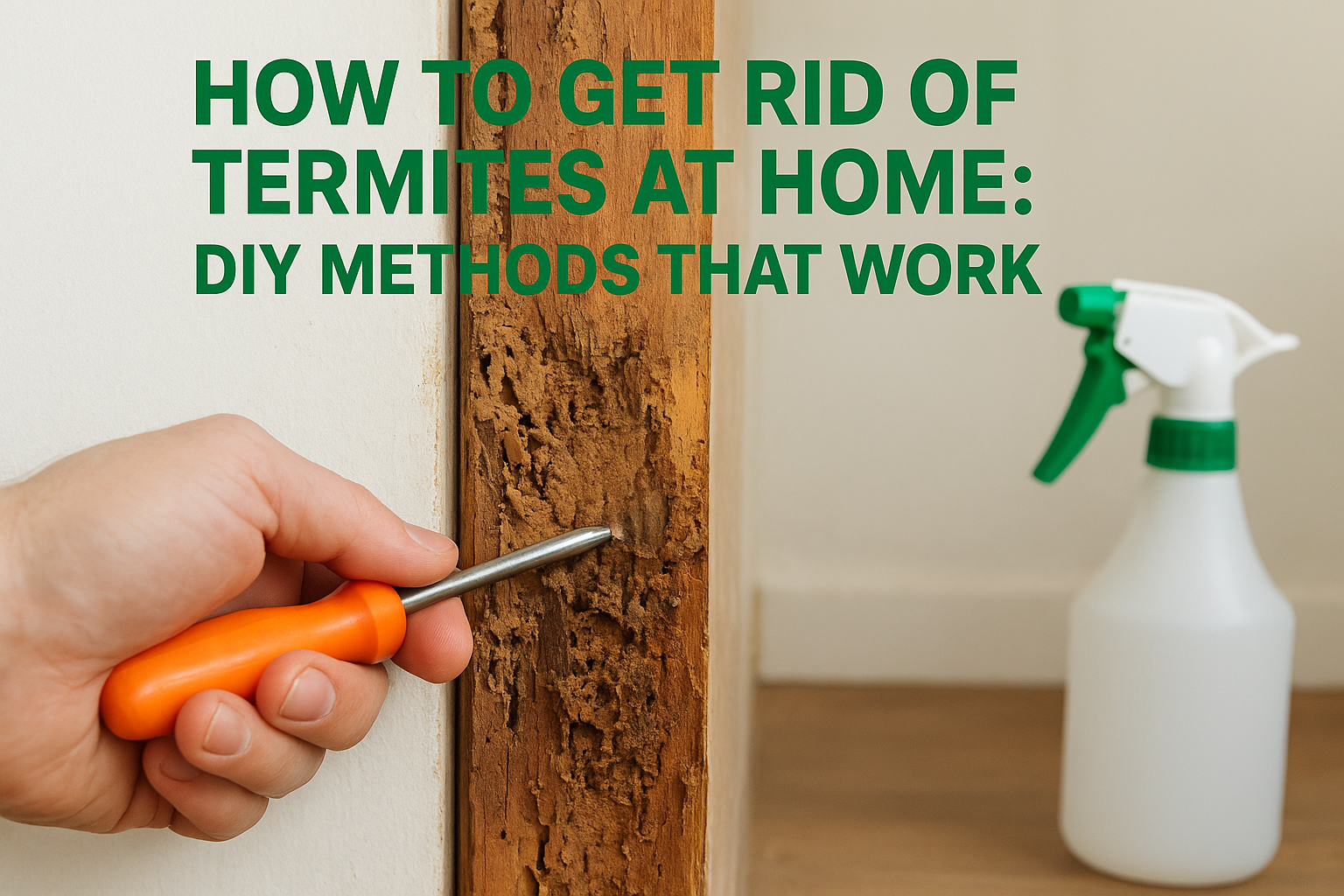
You spot small mud tubes running along your skirting board, or a wooden door frame that sounds hollow when you tap it. That sinking feeling is usually right. Termites work quietly for months before the damage becomes obvious, and by the time you notice sagging furniture or crumbling wood, the colony has already settled in. If you’re searching for how to get rid of termites at home, you want practical steps you can try today, not just a warning to call an expert.
Knowing how to get rid of termites at home starts with telling apart the infestations you can handle yourself from the ones that need professional equipment. Both drywood and subterranean termites show up across Bangalore homes, and the fix that works on one often does nothing for the other.
This guide gives you exactly that. You’ll learn to spot the early warning signs of termite activity, understand which home remedies actually slow down an infestation, and know when a DIY fix simply won’t cut it. We’ll walk through borax treatments, orange oil, and moisture control, along with the limits of each method.
We’ve inspected thousands of Bangalore homes since 1993, so we know which DIY tricks genuinely help and which ones just mask the problem while termites keep chewing away underground. By the end of this guide, you’ll know exactly what to try yourself and when it’s time for professional termite treatment.
How to get rid of termites at home: an overview
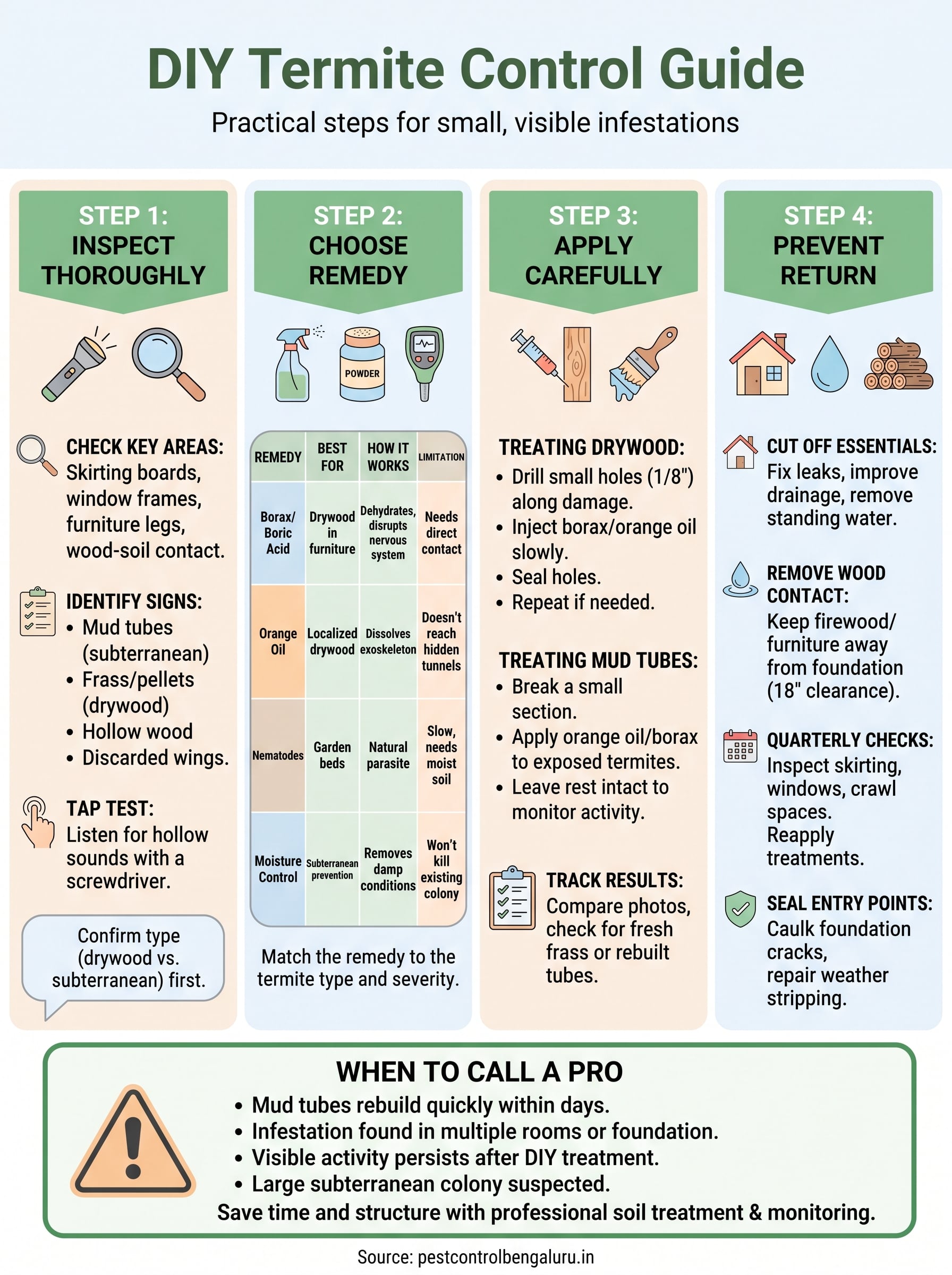
Before diving into each step, here’s the short version of how to get rid of termites at home safely and effectively: confirm the infestation and termite type, apply a remedy matched to that type, treat the wood or mud tubes with patience, and then remove the moisture and wood contact that invited termites in the first place. Skipping any one of these steps is why so many home termite treatments fail to stick.
Why DIY termite treatment works for some infestations
Termite infestations don’t all look the same, and neither do the fixes that work on them. A single piece of furniture with drywood termites behaves nothing like a subterranean colony that’s tunneled through your foundation for two years. Home remedies for termites can genuinely stop the smaller, contained problems if you catch them early and apply the right product consistently. The trick is knowing which category your infestation falls into before you spend weeks on a treatment that was never going to reach the source.
When DIY actually gets results
Small, visible infestations are where DIY termite control earns its reputation. If you’ve spotted mud tubes on a single wall or found termites confined to one wooden shelf, a targeted borax or orange oil application can kill that localized group before it spreads further. These treatments work by disrupting the termites’ digestive system or exoskeleton, and they’re most effective when the colony hasn’t yet established deep underground tunnels.
- Isolated drywood termite damage in furniture or door frames
- Early-stage infestations caught within the first few weeks
- Small wooden structures like fences, sheds, or garden furniture
- Situations where you can directly access and treat the infested wood
DIY termite treatment works best on small, visible colonies, not on the underground network you can’t see.
The scale problem professionals deal with daily
Underground colonies are where home remedies lose their power. Subterranean termites, the most common type we treat in Bangalore homes, build colonies that can house hundreds of thousands of termites spread across multiple nests connected by tunnels running meters below your slab. Spraying orange oil on a visible mud tube might kill the workers in that tube, but the queen and the rest of the colony sit untouched, ready to rebuild within days.
Comparing what each approach can realistically handle makes the difference clear:
| Factor | DIY Treatment | Professional Treatment |
|---|---|---|
| Colony size reached | Surface-level, visible only | Entire colony, including underground nests |
| Termite type | Best for drywood | Effective for subterranean and drywood |
| Treatment depth | Topical application | Soil injection, foam, and monitoring stations |
| Typical success rate | Moderate for small, early cases | High, backed by warranty in most cases |
Understanding this table helps you set realistic expectations before you start. If your infestation matches the DIY column, move ahead with confidence. If it looks closer to the professional column, you’ll save money in the long run by skipping straight to a treatment that reaches the whole colony rather than just what you can see.
Step 1. Inspect your home to confirm a termite infestation (the first move in getting rid of termites at home)
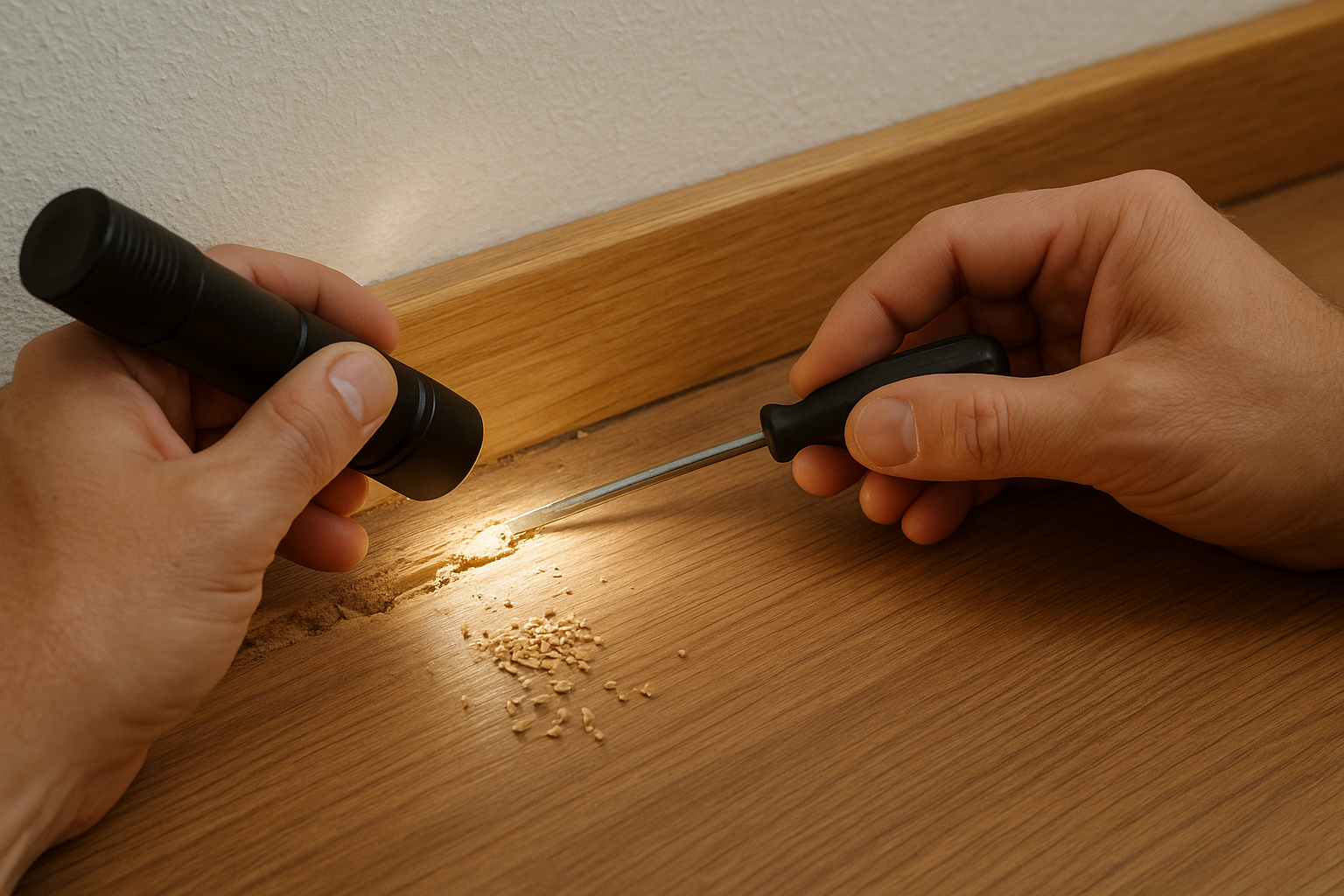
Grab a flashlight and a screwdriver before you buy a single treatment product. Misdiagnosing a termite problem wastes time and money, since carpenter ants, wood rot, and moisture damage can all mimic termite symptoms. A thorough inspection tells you not just whether termites are present, but which type you’re dealing with, which shapes every decision you make next.
What to look for room by room
Check the areas termites favor most: skirting boards, window frames, wooden furniture legs, and any spot where wood touches soil or concrete. Tap suspect wood with the handle of your screwdriver. Hollow-sounding or crumbly wood that gives way easily is a strong indicator of an active infestation.
- Mud tubes: pencil-thin trails on walls, foundations, or pillars, usually a sign of subterranean termites
- Discarded wings: small, translucent wings near windowsills or light fixtures after a swarm
- Frass: tiny wood-colored pellets that look like sawdust, typical of drywood termites
- Hollow or blistered wood: press gently on skirting boards, door frames, and furniture joints
- Tight-fitting doors or windows: swelling from moisture combined with termite tunneling
Confirming the type of termite you have
Once you spot damage, figure out whether it’s subterranean or drywood, because that single detail determines which home remedy has any chance of working. Subterranean termites need contact with soil and leave mud tubes as their travel routes, while drywood termites live entirely inside the wood itself and leave behind frass instead of tubes.
If you can’t confirm the termite type, you can’t choose the right treatment.
Photograph everything you find, including mud tube locations and sample frass, before you disturb the area. This record helps you track whether your DIY treatment is actually working over the following weeks, and it gives a professional a clear starting point if you end up needing one later.
Step 2. Choose the right home remedy for getting rid of termites at home
Matching the remedy to the termite type you confirmed in Step 1 makes or breaks your results. Borax, orange oil, and moisture control each attack termites differently, so picking one at random wastes the head start you got from inspecting properly. Think of this step as shopping for the right tool, not grabbing whatever’s on the shelf at the hardware store.
Comparing the main DIY options
Homeowners tend to ask which home remedy for termites actually works, and the honest answer depends entirely on the termite type and how contained the damage is.
| Remedy | Best for | How it works | Limitation |
|---|---|---|---|
| Borax/boric acid | Drywood termites in furniture | Dehydrates termites and disrupts their nervous system | Needs direct contact with termites |
| Orange oil | Localized drywood infestations | D-limonene dissolves the exoskeleton on contact | Doesn’t reach hidden tunnels |
| Nematodes | Garden beds, outdoor wood | Parasites that infect termites naturally | Slow-acting, needs moist soil |
| Moisture control | Subterranean prevention | Removes the damp conditions termites need | Won’t kill an existing colony |
Pick the remedy that matches your termite type first; the strongest product still fails if it’s the wrong one for the job.
Matching remedy to infestation severity
Severity matters just as much as termite type. A single infested chair responds well to a borax paste applied directly to drilled holes, while a wooden deck with visible mud tubes along the base needs a combination approach, orange oil on visible tubes plus moisture correction underneath. Overestimating what one product can handle is the most common mistake we see homeowners make before calling us.
Gathering your supplies before you start saves you a second trip to the store mid-treatment:
- Borax powder or boric acid crystals
- Orange oil concentrate (look for at least 90% d-limonene)
- A syringe or injector for reaching drilled holes
- A moisture meter, if you suspect a damp crawl space or subfloor
Stocking these ahead of time means you can move straight into treatment once you’ve confirmed which remedy fits your situation.
Step 3. Apply your termite treatment at home to the infested area
Applying the treatment correctly matters more than which product you picked in Step 2. Rushing this stage, or applying too little product, leaves surviving termites free to rebuild within the same wood you just treated. Careful application now saves you from repeating the entire process in a month when the colony bounces back. This is the stage where most people trying to get rid of termites at home either succeed or lose the progress they’ve made.
Treating drywood termites in furniture or frames
Drilling small holes along the damaged wood grain gives borax or orange oil a direct path to the termite galleries hiding inside. Space the holes roughly two inches apart and angle them slightly downward so the liquid settles rather than runs out.
- Drill holes 1/8 inch wide along the visible damage or frass trail
- Inject borax solution or orange oil using a syringe, filling each hole slowly
- Seal the holes with wood filler once the liquid stops absorbing
- Repeat the injection after 48 hours if you still see fresh frass nearby
Treatment only works if it reaches the termites where they actually live, not just the surface you can see.
Treating mud tubes and subterranean activity
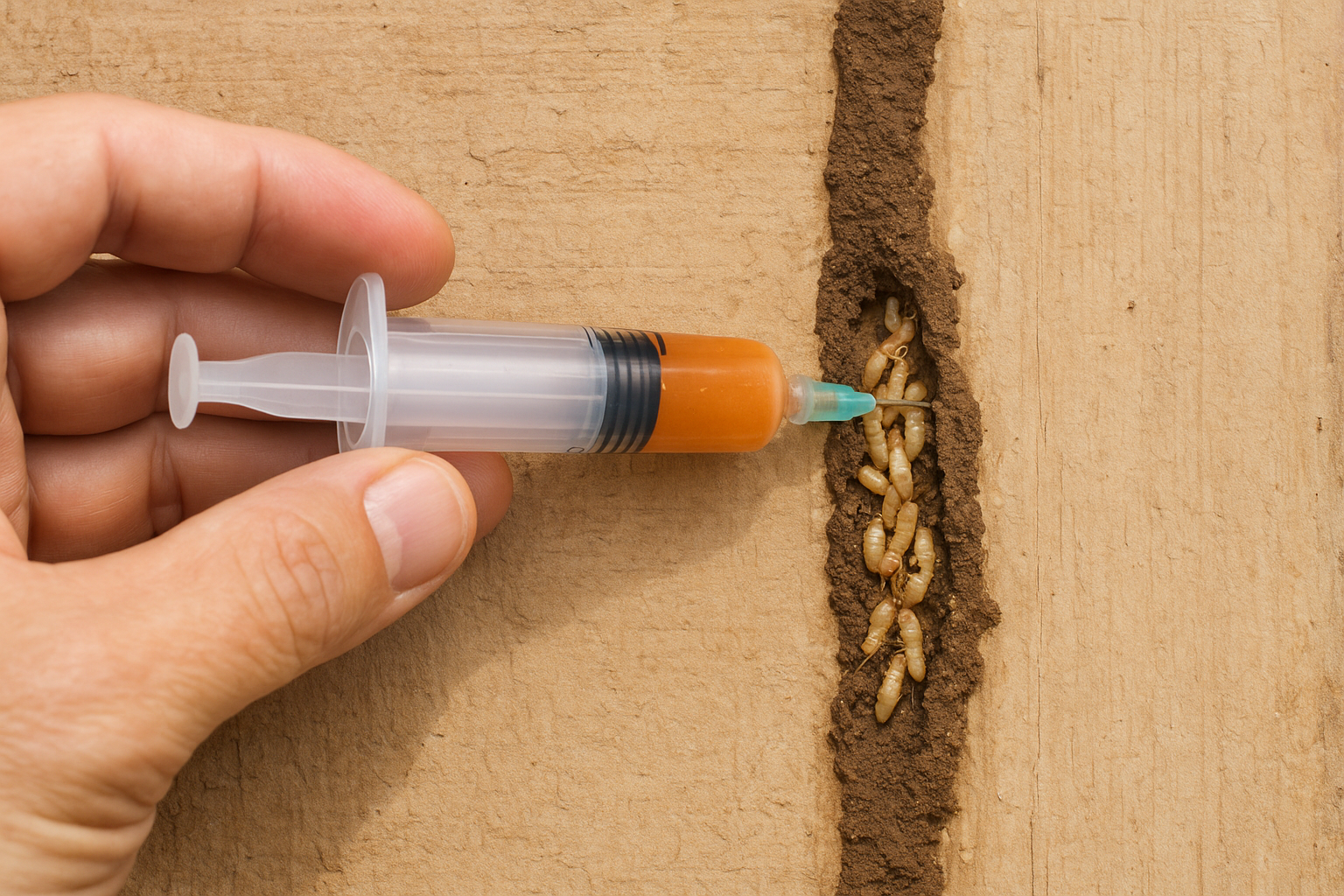
Subterranean mud tubes need a different touch since the workers inside are just the visible fraction of a much larger colony. Break open a short section of the tube and apply orange oil directly to the exposed termites, then leave the rest of the tube intact for a few days. Termites will keep using an undamaged section, which lets you monitor whether activity slows down.
- Break only a small section of the tube, not the whole structure
- Apply orange oil or a borax paste directly to exposed termites
- Recheck the tube every two to three days for renewed activity
- Treat the soil-contact point separately if the tube originates at a foundation crack
Tracking results honestly
Compare fresh photos against the ones you took during inspection to see whether frass has stopped accumulating or mud tubes have dried out and crumbled. Dried, abandoned tubes are a good sign; fresh mud rebuilding over a treated section means the colony is still active nearby, and you’ll need a stronger approach or professional help.
Step 4. Prevent termites from coming back into your home
If you want termites gone at home for good, killing the ones you can see means nothing if the conditions that attracted them stay the same. Bangalore’s humidity and the amount of wood-to-soil contact in most gardens make termite prevention an ongoing task, not a one-time fix. Treating your home without fixing the underlying moisture or wood contact is like mopping a floor while the tap keeps running.
Cutting off what termites need to survive
Moisture and easy wood access are the two things every termite colony depends on, so removing both makes your property far less attractive to new swarms. Fix leaking taps, clogged gutters, and poor drainage around the foundation, since standing water near your slab is practically an invitation. Firewood, garden stakes, and old furniture stacked against exterior walls give termites a bridge straight into your home, so keep at least 18 inches of clearance between soil and any wood.
Termites go where the moisture and wood contact are easiest to reach, so remove those and you remove most of the risk.
Building a routine inspection habit
Quarterly checks catch new activity long before it turns into structural damage, and they cost you nothing but twenty minutes with a flashlight. Use this checklist every three months:
- Inspect skirting boards, window frames, and door frames for fresh mud tubes
- Check crawl spaces and subfloors with a moisture meter
- Look for discarded wings near windowsills after monsoon rains
- Reapply orange oil or borax to previously treated wood as a preventive touch-up
- Trim vegetation and mulch away from the foundation walls
Sealing entry points for good
Subterranean termites exploit even hairline cracks in your foundation, so caulk visible gaps and repair damaged weather stripping around doors and windows. Sand-based physical barriers around the foundation perimeter can also discourage tunneling, though they work best combined with the moisture fixes above. Persistent termite prevention tips like these turn a one-time treatment into lasting protection, which is exactly what separates homeowners who deal with termites once from those who fight the same colony every year.
Common mistakes that undo DIY termite treatment
Even homeowners who follow every step above can lose ground to a few avoidable mistakes. Knowing them upfront saves you from restarting your termite treatment from scratch.
- Treating only the visible tube or hole: termites reroute around a single treated spot within days if the rest of the colony’s tunnel network is untouched
- Skipping the moisture fix: reapplying borax or orange oil to damp wood without addressing the leak or drainage issue just delays the return of termites
- Using diluted or expired orange oil: anything below roughly 90% d-limonene concentration struggles to dissolve the termite exoskeleton on contact
- Disturbing the whole mud tube at once: breaking every tube along a wall scatters termites into new entry points instead of letting you monitor one treated section
- Giving up too early: some termite treatments need two or three rounds spaced days apart before frass and mud tube activity fully stop
When it’s time to call in a professional
Some signs tell you the DIY stage is over. If mud tubes rebuild within days of treatment, if you find frass in multiple rooms, or if the infestation traces back to your foundation rather than a single piece of furniture, you’re dealing with a subterranean colony no home remedy will reach. Borax and orange oil buy you time, they don’t replace soil treatment and monitoring stations that reach the queen.
You’ve now got the full picture: inspect properly, match the remedy to the termite type, apply it with patience, and keep moisture and wood contact away from your home. That combination handles small, contained problems well. For anything bigger, waiting only lets the damage spread further into your walls and flooring.
If your inspection points to an established colony, don’t gamble with your home’s structure. Get in touch with our termite treatment specialists in Bangalore for an inspection that tells you exactly what’s happening beneath the surface.
Frequently asked questions
How long does DIY termite treatment take to work?
Borax and orange oil applications usually show results within one to two weeks. Check for fresh frass or rebuilt mud tubes every few days; if activity hasn’t slowed by the two-week mark, the colony is likely bigger than the treatment can reach.
Can I mix borax and orange oil for stronger results?
Yes, using both on the same infestation is safe and can help, since they attack termites through different mechanisms. Apply orange oil to exposed termites first, then follow with a borax injection into drilled holes for longer-lasting protection.
Will vinegar or essential oils get rid of termites?
Vinegar, neem oil, and other essential oils may repel a few termites on contact, but they don’t kill a colony or reach termites tunneling underground. Treat them as a minor deterrent at best, not a substitute for borax, orange oil, or professional treatment.
How do I know if termites are already gone after treatment?
Look for dried, crumbling mud tubes, no fresh frass for at least two to three weeks, and no new discarded wings after a swarm season. If any of these signs reappear, the colony is still active and needs another round of treatment or professional help.
Is it safe to stay in the house during DIY termite treatment?
Borax and orange oil treatments are generally safe for a home’s occupants when applied as directed, since they’re used in small, targeted amounts rather than sprayed throughout the house. Keep children and pets away from wet application areas until the product has fully absorbed or dried.